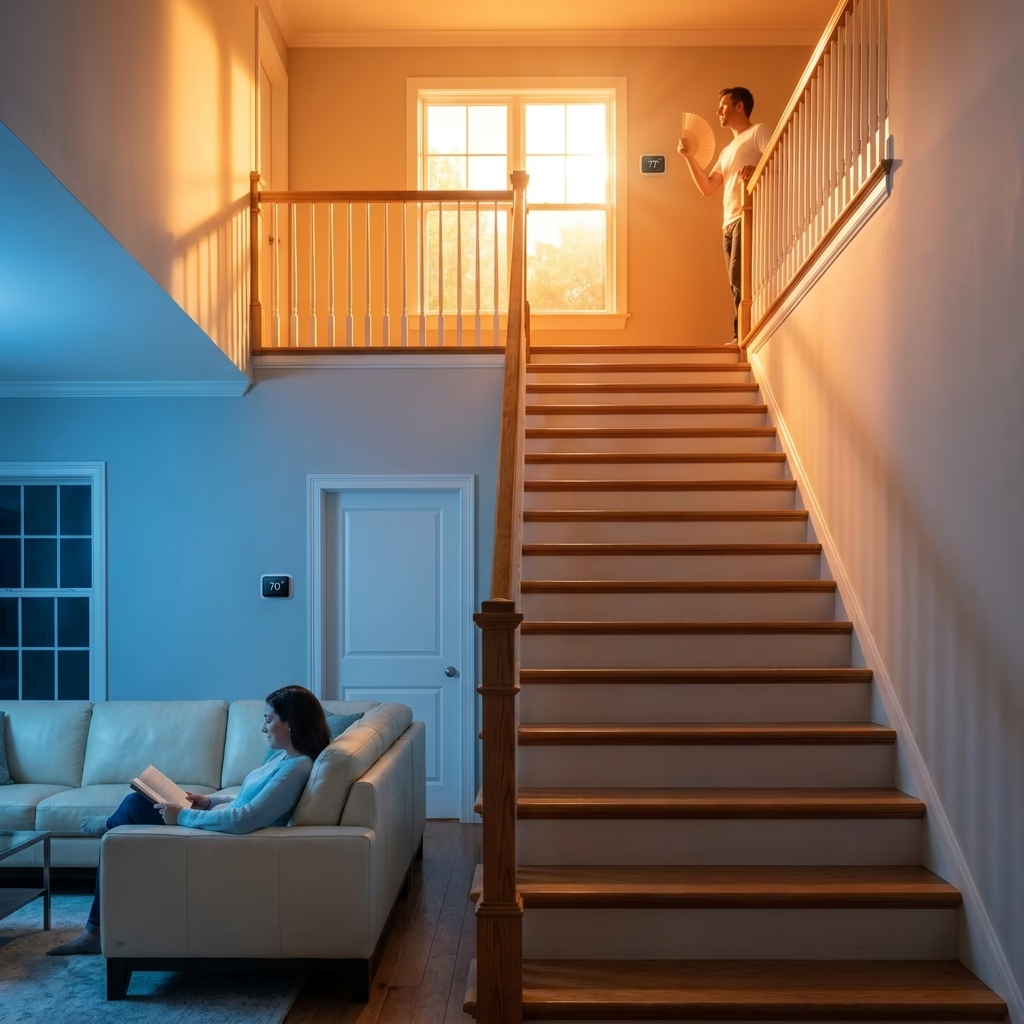
Walking upstairs during summer should not feel like stepping into a different climate. Yet many homeowners deal with hot bedrooms, stuffy hallways, and uncomfortable second floors while the downstairs remains cool.
This issue frustrates people because lowering the thermostat rarely solves it. The AC keeps running, energy bills climb, and the upper level still feels warm late into the night.
The good news is that this problem usually comes from a few specific causes. Heat buildup, poor airflow, attic conditions, and aging HVAC systems are the biggest reasons temperature differences happen inside multi-story homes.
Fixing the problem starts with understanding where the heat comes from and how your home handles airflow.
Heat Naturally Collects Upstairs
Warm air rises. That simple fact affects every two-story house. As cool air settles on lower floors, warm air moves upward and gets trapped near ceilings and upper rooms. During summer, the roof absorbs sunlight throughout the day and transfers that heat downward into the second floor.
This creates a cycle where upstairs rooms stay warmer much longer than the rest of the house. Homes with dark roofing materials or limited attic ventilation usually experience stronger heat buildup. Afternoon sun can increase indoor temperatures quickly, especially in bedrooms facing west or south. The problem becomes worse when insulation is weak or airflow is restricted.
Your Attic Might Be Holding Excess Heat
Many homeowners focus only on the thermostat while ignoring the attic above them.
Attics can reach extremely high temperatures during summer afternoons. Without proper ventilation, all that trapped heat pushes downward into ceilings and walls.
Older insulation also loses effectiveness over time. Small gaps around vents, wiring, or recessed lights allow hot air to move directly into living spaces.
One of the fastest ways to reduce second-floor heat is improving attic conditions.
Adding insulation helps slow heat transfer. Better ventilation removes trapped hot air before it spreads through the house. In some homes, attic improvements reduce indoor temperatures noticeably within days.
Signs your attic may be contributing to the issue include:
- Rooms staying hot after sunset.
- Warm ceilings upstairs.
- An AC system running constantly during hot weather.
- Large temperature differences between floors.
- High cooling costs during summer months.
Weak Airflow Creates Uneven Temperatures
A cooling system only works well when airflow stays balanced throughout the house.
Many second floors receive less conditioned air because of duct design problems, air leaks, or clogged filters. Even small airflow restrictions can make upstairs rooms feel uncomfortable.
Leaky ductwork is especially common in older homes. Cool air escapes before reaching upper vents, forcing the system to work harder while reducing comfort.
Blocked vents also create circulation problems. Furniture placed over vents or closed room doors can trap warm air inside bedrooms for hours.
Checking airflow is one of the easiest starting points.
Stand near upstairs vents while the system runs. Weak airflow compared to downstairs rooms may indicate duct issues or blower problems.
Changing dirty filters can also improve circulation faster than many homeowners expect.
Windows Can Trap More Heat Than You Realize
Upper floors receive stronger sun exposure during the hottest parts of the day.
Large windows without proper coverings allow sunlight to heat walls, furniture, and flooring. That stored heat continues warming the room long after the sun moves away.
This is common in bonus rooms, upstairs offices, and bedrooms with direct afternoon sunlight.
Simple changes can reduce indoor heat significantly.
Thermal curtains help block solar heat before it enters the room. Reflective window film reduces heat transfer while still allowing natural light indoors.
Keeping blinds closed during peak afternoon hours also helps maintain more stable indoor temperatures.
These changes may seem small, but combined with better airflow, they can noticeably improve comfort upstairs.
Ceiling Fans Help More Than Most People Think
Many people underestimate how much air movement affects comfort.
A ceiling fan does not lower room temperature directly, but it helps the body cool faster by improving airflow across the skin.
This makes rooms feel cooler even if the thermostat setting stays the same.
During summer, fan blades should rotate counterclockwise. This pushes air downward and creates a cooling effect inside the room.
Fans work best when paired with a properly functioning cooling system.
They should also be turned off when rooms are empty since fans cool people, not the air itself.
Your HVAC System May Be Struggling
Sometimes the issue is not insulation or airflow. The cooling system itself may no longer handle the home’s needs.
Older units lose efficiency gradually. Homeowners often notice uneven temperatures before realizing the system is aging.
An undersized unit can cool the first floor while struggling to move enough conditioned air upstairs. This becomes more noticeable during extreme summer temperatures.
Professional HVAC inspections can identify:
- Incorrect system sizing.
- Low refrigerant levels.
- Blower motor problems.
- Duct leakage.
- Poor airflow balance.
- Thermostat calibration issues.
- Some homes benefit from zoning systems that allow separate temperature control for each floor.
- Instead of forcing one thermostat to manage the entire house, zoning directs cooling where it is needed most.
Small Habits That Reduce Upstairs Heat
Daily habits also affect indoor temperatures more than many people realize.
Running ovens during the afternoon adds unnecessary heat indoors. Switching to outdoor grilling or using smaller countertop appliances reduces indoor heat buildup.
Replacing incandescent bulbs with LED lighting also helps. Traditional bulbs generate more heat than most homeowners expect.
Keeping interior doors slightly open allows air to circulate more evenly between rooms.
Scheduling AC maintenance before peak summer weather can also prevent airflow issues before they become serious.
When Professional Help Makes Sense
Some temperature problems continue even after basic fixes.
If your second floor stays uncomfortable despite clean filters, open vents, and attic improvements, the system may need professional evaluation.
A technician can inspect airflow pressure, duct efficiency, insulation performance, and overall cooling capacity.
Professional AC installation may become necessary if the current system is too old or incorrectly sized for the home.
Modern systems provide better humidity control, stronger airflow, and more consistent temperatures between floors.
While replacement costs can feel significant upfront, inefficient systems often waste money through constant operation and rising utility bills.
Why Ignoring the Problem Gets Expensive
Many homeowners delay fixing upstairs heat because the system still technically works.
The problem is that struggling cooling systems experience more wear over time. Constant operation increases energy costs and places stress on motors, compressors, and airflow components.
Poor cooling also affects indoor sleep quality and overall comfort during summer months. Addressing the source early usually costs less than waiting for a major HVAC failure during peak heat.
Final Thoughts
A hotter second floor usually points to airflow restrictions, attic heat transfer, poor insulation, or an overworked cooling system.
The solution depends on identifying where the heat enters the home and how efficiently cooled air moves upstairs.
Small improvements like sealing leaks, improving attic ventilation, adjusting airflow, and blocking direct sunlight can make a noticeable difference quickly.
If the issue continues, professional HVAC cooling services can diagnose hidden problems and recommend long-term solutions that improve comfort across the entire house.