Summer heat can make your air conditioner run longer, and that can push your electric bill higher than expected. The good news is that you can lower electric bill in summer without turning your home into an uncomfortable space.
With smart thermostat use, regular HVAC maintenance, air filter replacement, and simple home energy efficiency tips, you can reduce electricity bill costs while keeping your rooms cool. This guide explains how to save money on electric bill expenses with practical steps that fit real daily life.
Why Your Electric Bill Rises in Summer
Your cooling system works harder during hot weather. When outdoor heat rises, your AC must remove more warm air from your home. If your windows let in direct sunlight, your air filter gets dirty, or your home leaks cool air, your system runs even longer.
That extra runtime raises your energy use. To reduce AC electricity cost, you need to lower the amount of heat entering your home and help your cooling system work with less strain.
Set Your Thermostat for Comfort and Savings
Your thermostat setting has a major effect on your summer bill. Many homes can stay comfortable at 76 to 78 degrees during the day, especially when ceiling fans move air through the room.
Avoid setting the thermostat much lower when you want fast cooling. Your AC does not cool faster at a lower setting. It only runs longer, which increases energy use.
A programmable or smart thermostat can help you lower AC bill in summer. Set it to raise the temperature when you leave home and bring it back down before you return. This keeps your home comfortable when you need it and saves energy when you do not.
Keep Your AC System in Good Shape
HVAC maintenance helps your cooling system run smoothly. A neglected AC unit often uses more electricity because dirt, poor airflow, and worn parts force it to work harder.
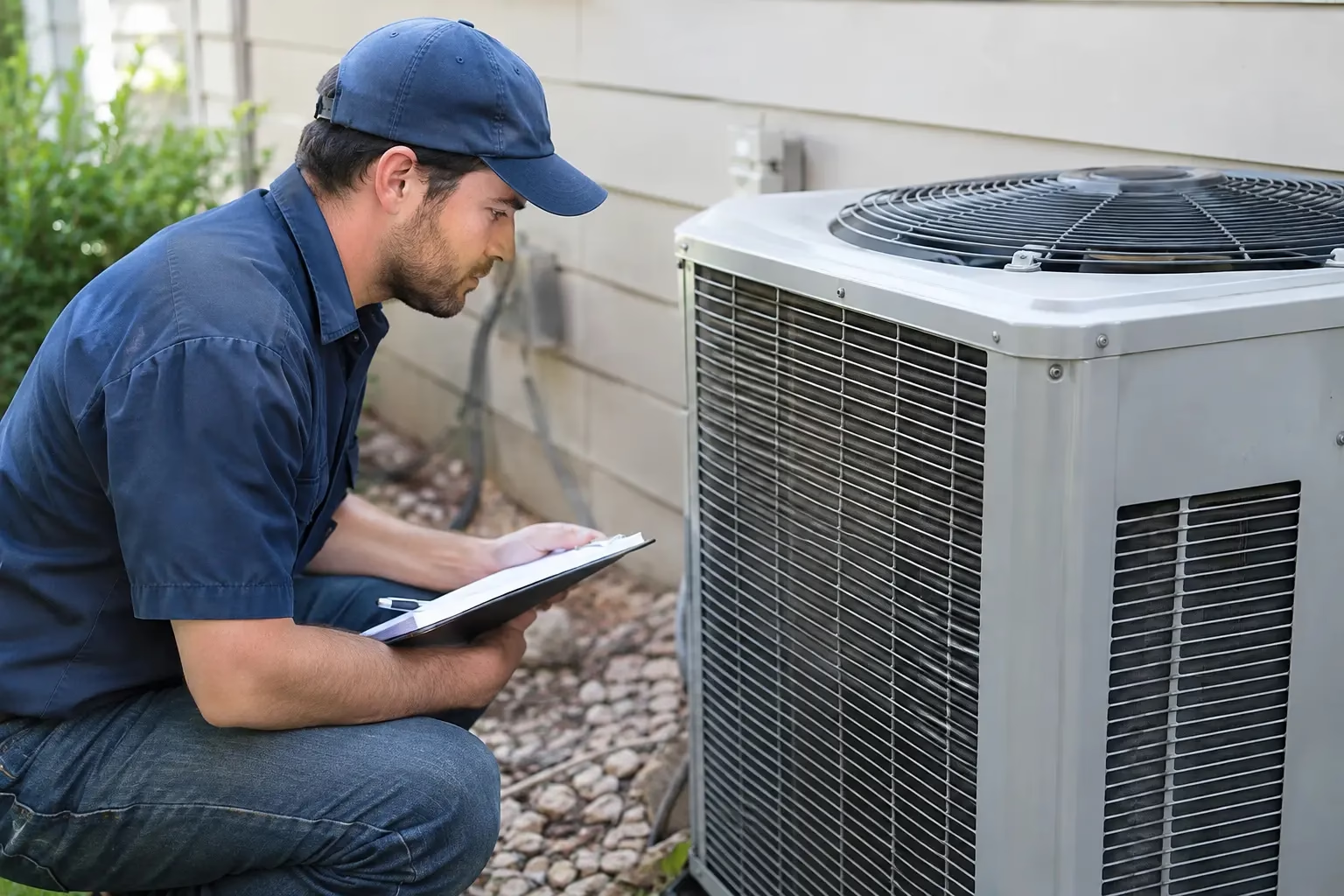
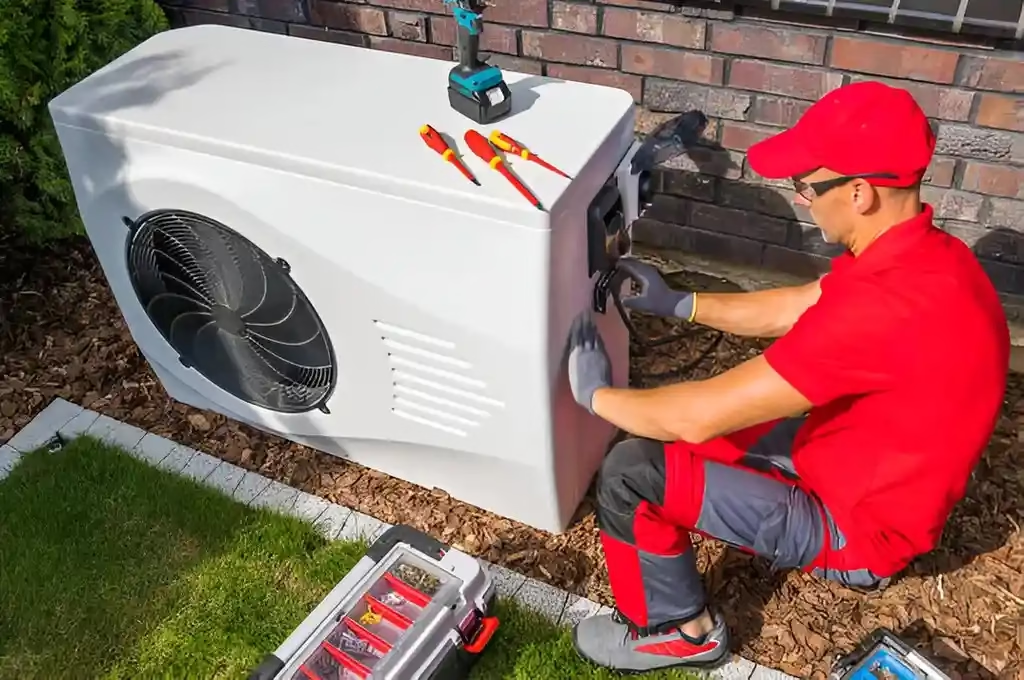
Schedule an AC unit tune-up before the hottest part of summer. A technician can clean key parts, check airflow, inspect electrical connections, and make sure the system runs safely. This service can also help catch small issues before they turn into costly repairs.
Replace Your Air Filter Regularly
Air filter replacement is one of the easiest ways to reduce electricity bill costs. A dirty filter blocks airflow, and your AC must push harder to cool your home.
Check your filter every month during summer. Replace it when it looks dusty or clogged. Homes with pets, high dust, or heavy AC use may need more frequent changes.
A clean filter helps your system move air properly. It can also improve indoor air quality and make your home feel more comfortable.
Block Heat Before It Gets Inside
Your AC costs less to run when your home stays cooler naturally. Direct sunlight through windows can heat rooms quickly, especially during the afternoon.
Close curtains, blinds, or shades during the hottest hours. Focus on windows that face strong sun. If one room always feels warmer, window film or heavier curtains may help reduce heat gain.
This simple habit can lower cooling costs because your AC does not need to fight as much indoor heat.
Seal Gaps That Let Cool Air Escape
Small leaks around windows, doors, attic openings, and vents can waste cooled air. Your AC replaces that lost air by running longer, which raises your bill.
Check for warm drafts near doors and windows. Use weatherstripping around doors and caulk around window frames where gaps appear. Sealing leaks helps keep cooled air inside and hot air outside.
This step works well for both homeowners and renters. Renters can use removable weatherstripping or draft stoppers without making permanent changes.
Use Fans the Right Way
Fans help you feel cooler, so you can raise your thermostat a few degrees without losing comfort. A ceiling fan should spin counterclockwise in summer to push air downward.
Turn fans off when you leave the room. Fans cool people, not rooms. Leaving them on in empty spaces only adds to your electricity use.
Pairing fans with a higher thermostat setting is one of the simplest summer energy saving tips. You stay comfortable while your AC runs less often.
Reduce Heat From Daily Activities
Some daily habits add heat inside your home. Ovens, dryers, dishwashers, and bright lights can make rooms warmer, which makes your AC work harder.
Cook during cooler hours when possible. Use a microwave, air fryer, outdoor grill, or stovetop instead of the oven on very hot days. Run laundry and dishwashers in the evening when temperatures drop.
These small changes can help cut energy costs at home without affecting comfort.
Keep Vents Clear and Air Moving
Blocked vents can create uneven cooling. Your AC may run longer because one room stays warm while another gets too cold.
Move furniture, rugs, and curtains away from vents. Keep interior doors open if your system cools the home more evenly that way. Good airflow helps your AC reach the temperature you set without extra strain.
Improve Home Energy Efficiency Over Time
Some energy efficient home tips cost little, while others work best as upgrades. Start with simple steps like filter changes, thermostat settings, fan use, and window shading.
If your bills stay high, consider a home energy audit. An audit can show where your home loses energy and which fixes can deliver the best return. Better insulation, duct sealing, and efficient windows may help lower cooling costs over the long term.
Final Thoughts
You can lower electric bill in summer without giving up comfort. Start with your thermostat, replace dirty air filters, schedule HVAC maintenance, block direct sunlight, seal air leaks, and use fans wisely.
These steps help reduce AC electricity cost and make your home easier to cool. If you want better results, check your air filter today and review your thermostat schedule before the next hot week arrives.