I hear this question every summer, especially from homeowners dealing with long, intense heat waves. When your air conditioner struggles, your entire home feels uncomfortable. Sleep becomes difficult, energy bills climb, and frustration builds quickly. I have worked with countless residential air conditioning systems, and I can tell you that most cooling issues follow clear patterns once you understand how your system behaves under stress.
In this guide, I will walk you through real causes, practical solutions, and what to do next based on how your cooling system performs.
Understanding AC Problem Severity Levels
Not every issue requires urgent repair, but ignoring early signs often leads to bigger failures. I break AC problems into three clear levels based on how the system performs.
Minor Airflow Issues
At this stage, your central air conditioning system still cools your home, but not evenly. Some rooms feel warmer, airflow seems weak, or the system runs longer than usual. This often points to clogged filters, blocked vents, or minor duct restrictions. These issues affect AC performance optimization but do not damage major components right away.
Over time, poor airflow puts stress on the blower motor and reduces system efficiency.
Moderate Cooling Problems
Here, the cooling system struggles to maintain your set temperature. You may notice warm air coming from vents, short cycling, or longer run times without proper cooling. This level often involves thermostat faults, refrigerant imbalance, or coil issues.
At this stage, I usually recommend professional AC servicing because small mistakes during DIY fixes can worsen the problem.
Major System Failures
This is where the system stops cooling completely or shuts down. Compressor failure, electrical faults, or major refrigerant leaks fall into this category. A broken AC repair becomes urgent here, especially during extreme heat.
If your system reaches this stage, delay can lead to full system replacement instead of repair.
Why Your AC Struggles in Extreme Heat
Texas heat pushes every cooling system to its limit. Even a well-maintained system can struggle if it was not designed for peak demand.
Older units or poorly sized systems often cannot keep up. In some homes, I find that an AC system upgrade or switching to high efficiency AC systems solves long-term performance issues. HVAC installation experts always calculate proper load requirements before recommending upgrades, but many older homes never received that level of planning.
Common AC Problem Areas and What They Mean
Every AC system has key components that determine how well it cools your home. When one part fails, performance drops quickly.
Compressor Issues
The compressor drives the entire cooling process. If it weakens or fails, your system cannot circulate refrigerant properly. You may hear unusual noises or notice warm air blowing from vents. This is a serious issue that requires professional AC technicians.
Airflow Problems
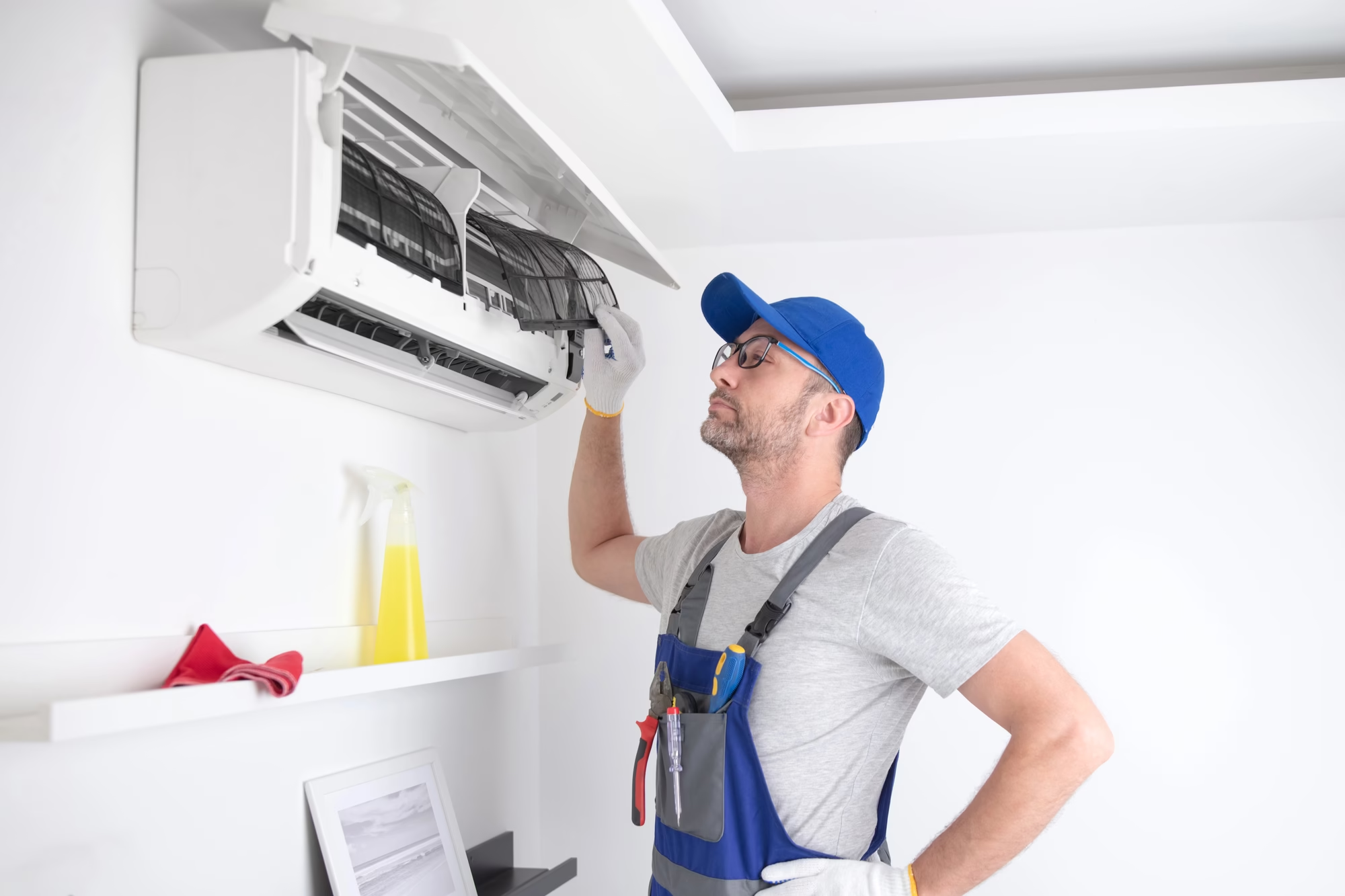
Restricted airflow often comes from dirty filters, blocked ducts, or failing blower motors. Poor airflow reduces cooling capacity and increases energy use. Regular AC tune up service helps prevent this problem.
Thermostat Faults
Sometimes the issue is not the AC unit itself. A faulty thermostat can send incorrect signals, causing the system to cycle incorrectly or fail to reach the desired temperature.
Refrigerant and Coil Issues
Low refrigerant or dirty coils reduce heat transfer efficiency. This leads to longer run times and poor cooling performance. Only trained air conditioning experts should handle refrigerant-related issues due to safety and regulatory requirements.
Step by Step Solutions for Homeowners
I always tell homeowners to start simple and safe before calling for repair.
Start by checking your air filter. A clogged filter restricts airflow and reduces cooling efficiency. Replace it if it looks dirty.
Next, inspect your thermostat settings. Make sure it is set to cooling mode and the temperature is correct.
Walk through your home and check vents. Ensure they are open and not blocked by furniture.
Step outside and look at the outdoor unit. Clear any debris around it to allow proper airflow.
Avoid opening the system panels or handling refrigerant lines. That is where many DIY attempts turn into expensive repairs.
If these steps do not improve performance, contact professional AC technicians for proper diagnosis.
When NOT to Delay AC Repair
There are situations where you should stop troubleshooting and call for immediate help.
If your AC blows warm air consistently, the compressor or refrigerant system may be failing.
If you hear grinding, buzzing, or loud clicking noises, internal components may be damaged.
If your system turns on and off rapidly, it may be short cycling due to electrical or thermostat issues.
If you notice ice buildup on coils or refrigerant lines, airflow or refrigerant problems are likely.
In these cases, delaying repair increases the risk of complete system failure.
Common Misconceptions About AC Repair Services
I often hear assumptions that lead homeowners in the wrong direction.
Many believe that a bigger unit always cools better. In reality, an oversized system cycles too quickly and fails to remove humidity properly.
Some think that lowering the thermostat drastically cools the home faster. Your system works at the same speed regardless of the setting.
Others assume that skipping maintenance saves money. In practice, lack of HVAC maintenance plans leads to higher repair costs and shorter system life.
Repair and Maintenance Timeline
After a repair, your system should return to stable performance quickly if the issue was isolated. However, ongoing maintenance determines how long that performance lasts.
I recommend regular AC tune up service before peak summer. This includes cleaning coils, checking refrigerant levels, inspecting electrical components, and ensuring proper airflow.
With consistent HVAC maintenance plans, you can extend AC lifespan and avoid sudden breakdowns.
If problems are ignored, minor issues often turn into compressor damage or full system failure within one or two seasons.
Should You Consider an AC System Upgrade?
If your system struggles every summer despite repairs, it may not meet your home’s cooling demands.
Modern high efficiency AC systems offer better energy performance and consistent cooling. HVAC installation experts can evaluate your home and recommend the right system size and design.
An upgrade also improves comfort and reduces long-term operating costs. AC installation specialists ensure proper AC system setup, which plays a major role in overall efficiency.
The Role of Professional AC Technicians
As someone who works in this field, I can say that accurate diagnosis is the most valuable part of any repair. AC troubleshooting experts use specialized tools to measure airflow, refrigerant pressure, and electrical performance.
Without proper tools and training, it is easy to misdiagnose the issue and replace the wrong component.
Reliable air conditioning services focus on solving the root cause, not just symptoms.
Share Your Experience or Contact a Professional
If your AC struggles during extreme heat, you are not alone. Every system shows signs before it fails, and early action saves time and money.
If you have noticed changes in your cooling performance, consider reaching out to professional AC technicians. You can also share your experience and compare what you are seeing with others. Real experiences often help identify problems faster.