You can improve indoor air quality in your Austin home with four habits. Use a pleated MERV 11 to 13 filter and change it on schedule. Keep indoor humidity between 30% and 50%. Vent your kitchen and bathrooms to the outside. Keep your HVAC system and ductwork clean and sealed. Most homes feel the difference from these four steps, and none of them takes a full weekend.
This guide explains why each step matters in Central Texas, how much work it takes, and when a portable purifier or a whole-home upgrade is worth the money.
Start with one number. The EPA says the average American spends about 90% of the day indoors, and indoor air can hold two to five times more of some pollutants than the air outside. In Austin, the AC runs most of the year and the windows stay shut. That means most of the air you breathe is the air inside your home.
Why Indoor Air Quality in Austin, TX Is a Year-Round Job
Most cities get an allergy season and then a break. Austin doesn’t. Something is in the air almost every month, and it comes inside on your clothes, your pets and every time a door opens.
Cedar fever fills the winter
Mountain cedar is the local name for Ashe juniper. It releases pollen when the rest of the country has stopped sneezing. Local doctors say to expect it from December through February, with the worst of it around mid-January. Cold fronts set off the heaviest releases. Those are also the weeks your furnace starts running, so any pollen that has drifted indoors gets pulled through the system over and over.
Ozone and Saharan dust arrive with the heat
Summer brings a different mix. The City of Austin counts about 5 to 10 Ozone Action Days in a typical ozone season, though it rates the region’s air as good overall. Saharan dust also crosses the Gulf most summers and leaves the sky hazy for days. On those days, an open window makes your indoor air worse.
Humidity feeds mold and dust mites
Austin summers are humid, and moisture is what mold and dust mites need most. If your home stays above 60% relative humidity for long stretches, things will start to grow. It usually happens where you can’t see it: the air handler closet, the back of a bathroom cabinet, or inside the ductwork.
Sealed-up homes trap what’s inside
From May through September, most Austin homes stay closed up with the AC running. That helps the power bill but it’s hard on the air. Cooking fumes, cleaning sprays, pet dander and fumes from new flooring or furniture have nowhere to go, so they build up.
Signs Your Home’s Air Needs Attention
You can spot most problems without a test kit. Watch for these:
- Allergy symptoms that ease when you leave the house and come back when you get home
- Dust on the furniture again a day or two after you clean
- A musty smell when the AC first kicks on
- Condensation on windows, or dark spots around supply vents
- Rooms that feel sticky even when the thermostat reads 74°F
- A filter that looks gray and loaded after only a few weeks
- Headaches or a scratchy throat that show up mostly at home
One or two of these usually point to a simple fix, like a better filter. If you notice several at once, you likely have a humidity or ductwork problem, and that deserves a closer look.
7 Practical Ways to Improve Indoor Air Quality at Home
Work from the top of this list. The first three steps cost little and give you most of the benefit.
1. Use a better filter and change it on time
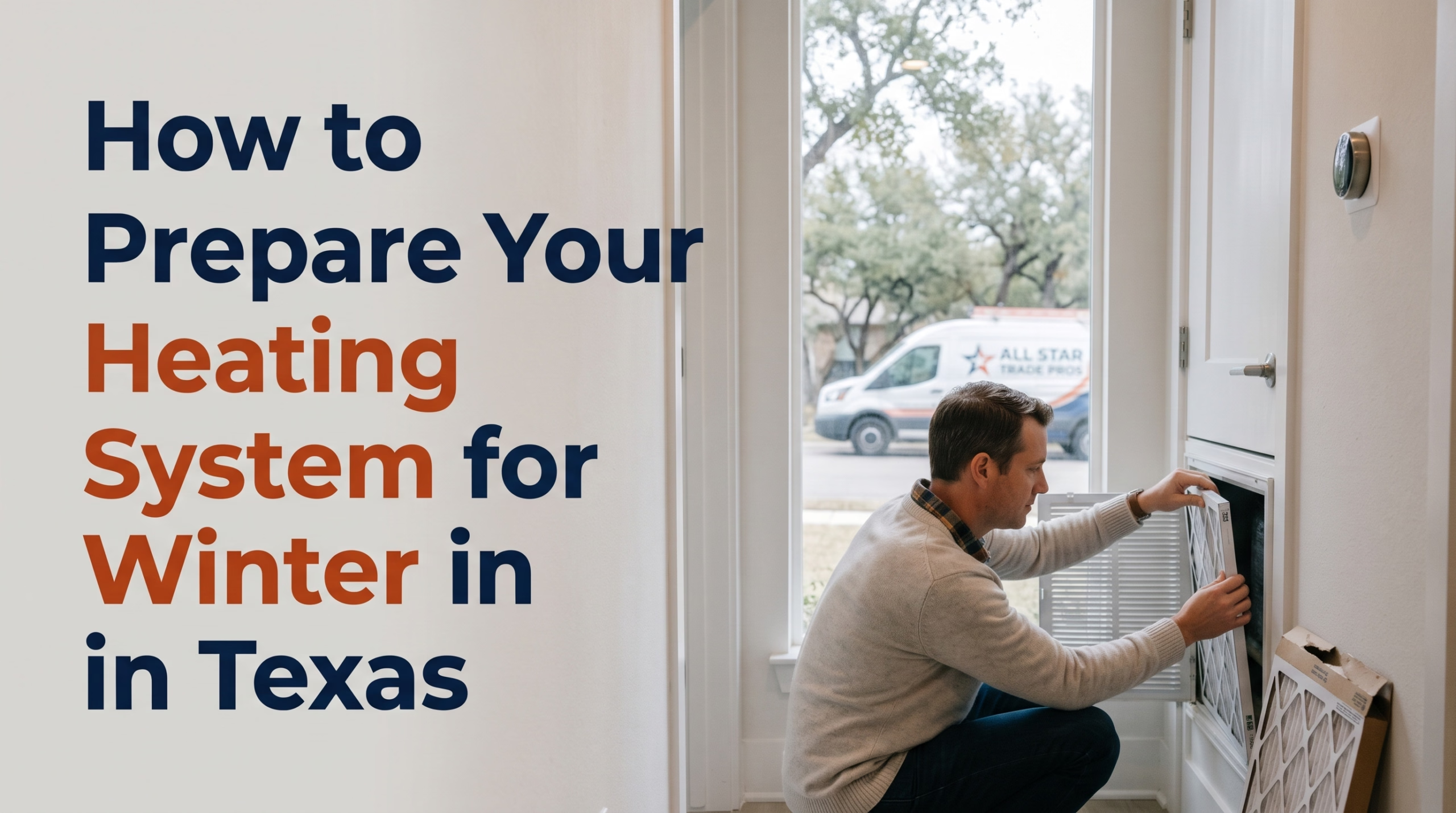
Your HVAC filter is the only thing that cleans the air in every room at once. Thin fiberglass filters protect the equipment and not much more. A pleated MERV 11 filter catches far more pollen, pet dander and fine dust.
The EPA’s Guide to Air Cleaners in the Home suggests MERV 13, or the highest rating your system can handle. Pay attention to that second part. A dense 1-inch filter can choke the airflow on an older system, so talk to a technician before you jump from MERV 8 to MERV 13.
In Austin, check a 1-inch filter every month. Plan to replace it every 30 to 60 days during cedar season and peak summer. A clogged filter cleans nothing, and it makes your system work harder.
2. Keep humidity between 30% and 50%
Aim for 30% to 50% relative humidity and treat 60% as the ceiling. Those are the EPA’s numbers. A $15 hygrometer from any hardware store will show you where you stand.
If your reading stays high:
- Run bathroom fans during showers and for 20 minutes after
- Set the thermostat fan to AUTO, not ON, so moisture on the coil drains away and doesn’t blow back into the house
- Keep the condensate drain line clear
- Fix plumbing leaks quickly, because damp drywall can grow mold within days
If humidity is still above 55% after all that, your AC may be oversized or short-cycling. At that point, a whole-home dehumidifier is worth pricing.
3. Vent cooking and shower air outside
Cooking is one of the biggest sources of indoor particles, and gas burners add nitrogen dioxide. Turn on the range hood every time you cook. Check that it vents outdoors and doesn’t just push air back through a grease screen. Bathroom fans should exhaust outside too, not into the attic.
When the outdoor air is clean, open the windows for 15 minutes in the morning. Check AirNow first, and skip it during cedar peaks and on Ozone Action Days.
4. Remove pollutants at the source
A filter is your backup. Keeping pollutants out of the house comes first.
- Leave shoes at the door
- Store paint, solvents and pesticides in the garage or a shed
- Choose low-VOC paints and unscented cleaners
- Skip plug-in fragrances and go easy on candles
- Wipe pets down after walks during cedar season
5. Clean in a way that removes dust
Dry dusting and a basic vacuum throw fine particles back into the air. Use a vacuum with a sealed HEPA filter and dust with a damp microfiber cloth. Wash bedding every week in hot water to keep dust mites down. If anyone in the house has allergies, hard floors are easier to keep clean than carpet.
6. Seal leaky ducts, and clean them when they need it
In most Austin homes, the ductwork runs through the attic. Gaps in the return ducts pull in hot, dusty attic air and insulation fibers, then spread them through the house. Sealing those leaks improves both air quality and comfort.
Duct cleaning is a separate question, and the answer depends on your home. The EPA says it’s worth doing in three cases: substantial mold growth, signs of rodents or insects, or so much debris that dust blows out of the registers. A light layer of dust in the ducts is normal, and the agency has found no evidence that it harms health.
Professional duct cleaning pays off most often in homes that were just remodeled, new builds with drywall dust in the lines, and homes with several pets. Ask the technician to show you the buildup before any work starts.
7. Keep up with HVAC maintenance
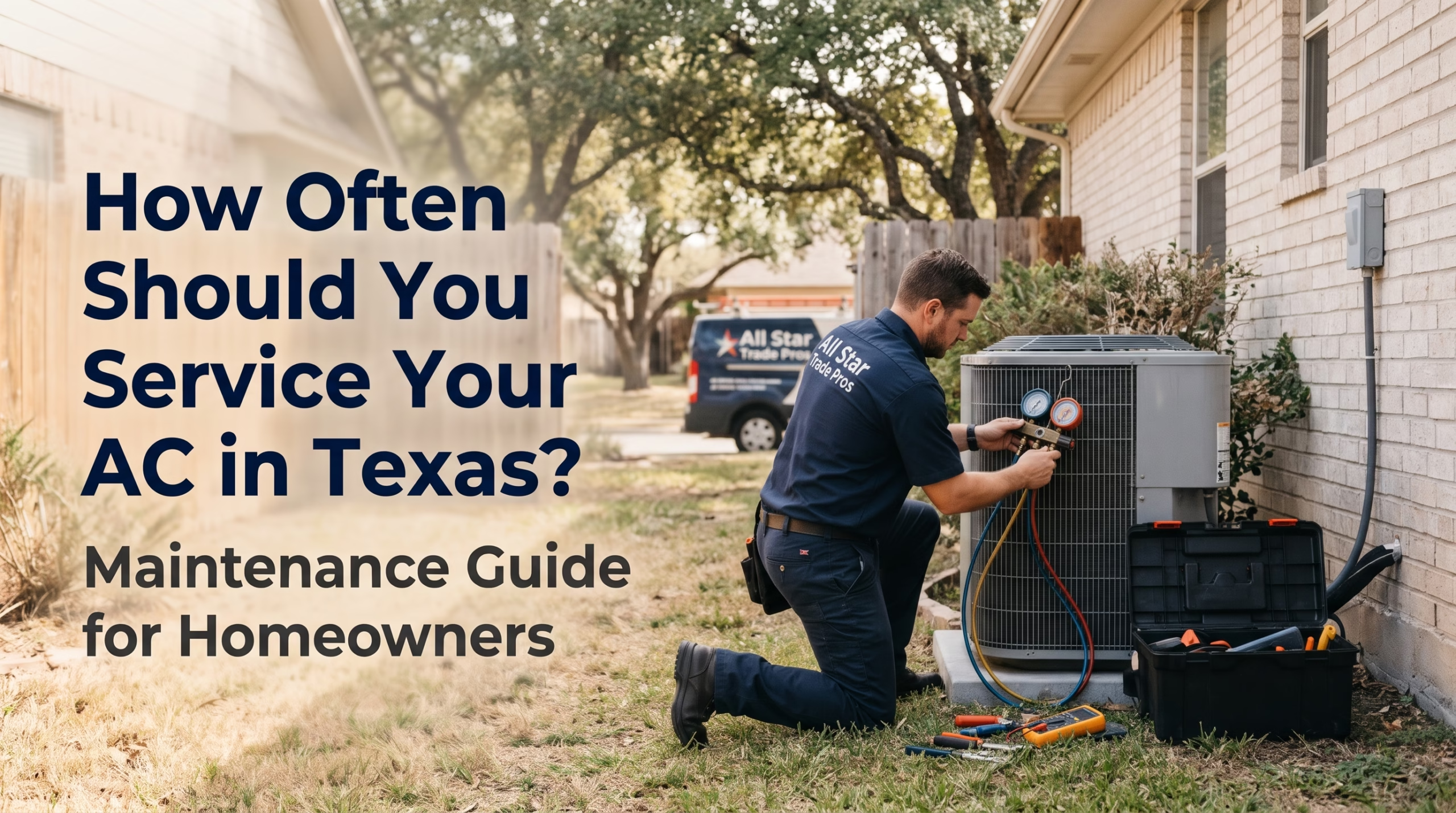
A dirty evaporator coil and a slimy drain pan cause a lot of the musty smells people notice at startup. A technician checks both during a routine AC maintenance visit, along with the drain line.
Air Purifier vs AC Filter: Which Does an Austin Home Need?
Most Austin homes should start with a better AC filter. If someone has allergies or asthma, add a portable air purifier in the bedroom. The two do different jobs, so many homes end up using both.
| AC (HVAC) filter | Portable air purifier | |
|---|---|---|
| Area covered | Whole house | One room |
| When it works | Only while the system fan runs | Any time it’s switched on |
| Rating to look for | MERV 11 to 13 | CADR sized to the room, true HEPA |
| Best at | Dust, pollen and dander across the home | Fine particles and smoke where you sleep or work |
| Odors and gases | Little effect | Only models with a large activated carbon filter |
| Upkeep | New filter every 1 to 3 months | New filters every 6 to 12 months, depending on model |
When the AC filter is enough
If nobody in the house has allergies and dust is your main complaint, a MERV 11 filter changed on schedule will take care of it. In summer, your system runs so many hours that the air passes through the filter many times a day.
When a purifier is worth buying
The gap shows up in mild weather. On a cool January day your system may barely run, and that’s exactly when cedar pollen peaks. A HEPA purifier in the bedroom keeps cleaning all night, no matter what the thermostat is doing.
Match the unit to the room. Room size tells you the clean air delivery rate (CADR) you need. The EPA’s guide also notes that a purifier filters more air the faster and longer it runs. A small unit set on low in a large living room does very little.
What to avoid
Skip any purifier that makes ozone on purpose, because the gas irritates the lungs. Keep in mind what neither option can do, too. If you have mold, you need to find the moisture source and stop it. Filtration won’t fix the cause.
HVAC Air Quality Upgrades That Suit Texas Homes
When the basics aren’t enough, your HVAC system can take on more of the work. These upgrades fit the Texas climate. Here is what each one solves.
- Media filter cabinet. A filter that is 4 or 5 inches deep gives you MERV 13 filtration with less airflow restriction than a 1-inch filter, and it lasts for months. For allergy households, this is the best first upgrade.
- Whole-home dehumidifier. It ties into your ductwork and removes moisture even when the AC isn’t calling for cooling. It helps most in spring and fall, when the air is damp but not hot.
- UV light at the coil. UV lamps stop mold and slime from growing on the wet evaporator coil. They keep the system clean, but they don’t replace filtration.
- Duct sealing. Sealing stops the return side from pulling in attic air. It often cuts dust more than any filter change.
- Fresh-air ventilation. Newer, tightly built homes can benefit from a system that brings in filtered outdoor air on a schedule.
- Whole-home humidifier. Austin homes rarely need one. It can help in winter if your readings drop below 30% and you notice static and dry sinuses.
Thinking about an electronic or ionizing air cleaner? Ask for proof that the model has been tested for low ozone emissions. The California Air Resources Board keeps a public list of certified devices.
You can see the options on our indoor air quality services page. If your attic is part of the problem, look at attic insulation and air sealing together.
When to Call a Professional
You can do most of this guide yourself. Call a licensed HVAC technician when:
- You can see mold on vents, inside the air handler or on duct insulation
- Indoor humidity stays above 60% even with the AC running normally
- The musty smell comes back within days of changing the filter
- Some rooms are far dustier or stuffier than others
- Someone at home has asthma or a respiratory condition and symptoms are worse indoors
A technician can measure airflow and static pressure and inspect the coil and ductwork. Then they can tell you which upgrade solves your problem and which ones you can skip.
All-Star Trade Pros serves Austin and Central Texas, including Round Rock, Cedar Park, Georgetown and Leander. Book a visit online or contact our team with questions. Members of the All-Star Service Plan get priority scheduling.
The Bottom Line
Better indoor air quality in Austin, TX comes down to a short routine. Change a good filter on time, hold humidity under 50%, make sure exhaust fans vent outdoors, and have your HVAC system checked once a year. Add a bedroom purifier if cedar season hits your household hard. Save the bigger upgrades for problems the basics don’t solve.