Winter heating prep in Texas takes just a few tasks. Replace the air filter, test the heat before the first cold front and book a fall furnace or heat pump tune-up. Then check your carbon monoxide detectors, clear the space around your equipment and protect your pipes before a hard freeze. If you finish all of it in October or early November, your system will be ready when the temperature drops.
Texas winters are short, but they can still be rough. Most of the season is mild. Then an arctic front moves in, and your heat has to run hard for days. A furnace that has sat unused since March is most likely to break down on that exact night.
Why Winter Heating Prep Matters in Central Texas
Austin doesn’t freeze often. The National Weather Service puts the average first freeze at Camp Mabry around December 1, with about 12 days below freezing in a typical year.
That low number is the problem. Your heating system sits unused for most of the year. Dust settles on the burners, batteries die and small parts wear out. Nobody notices until the first cold night.
February 2021 showed what happens when extreme cold hits a state that isn’t ready. The winter storm that month was blamed for at least 246 deaths in Texas, most of them from hypothermia. Millions of people lost power for days. Most winters won’t bring anything close to that. But when the temperature falls into the teens, working heat is no longer just about comfort. It becomes a safety issue.
Your Texas Winter Heating Checklist
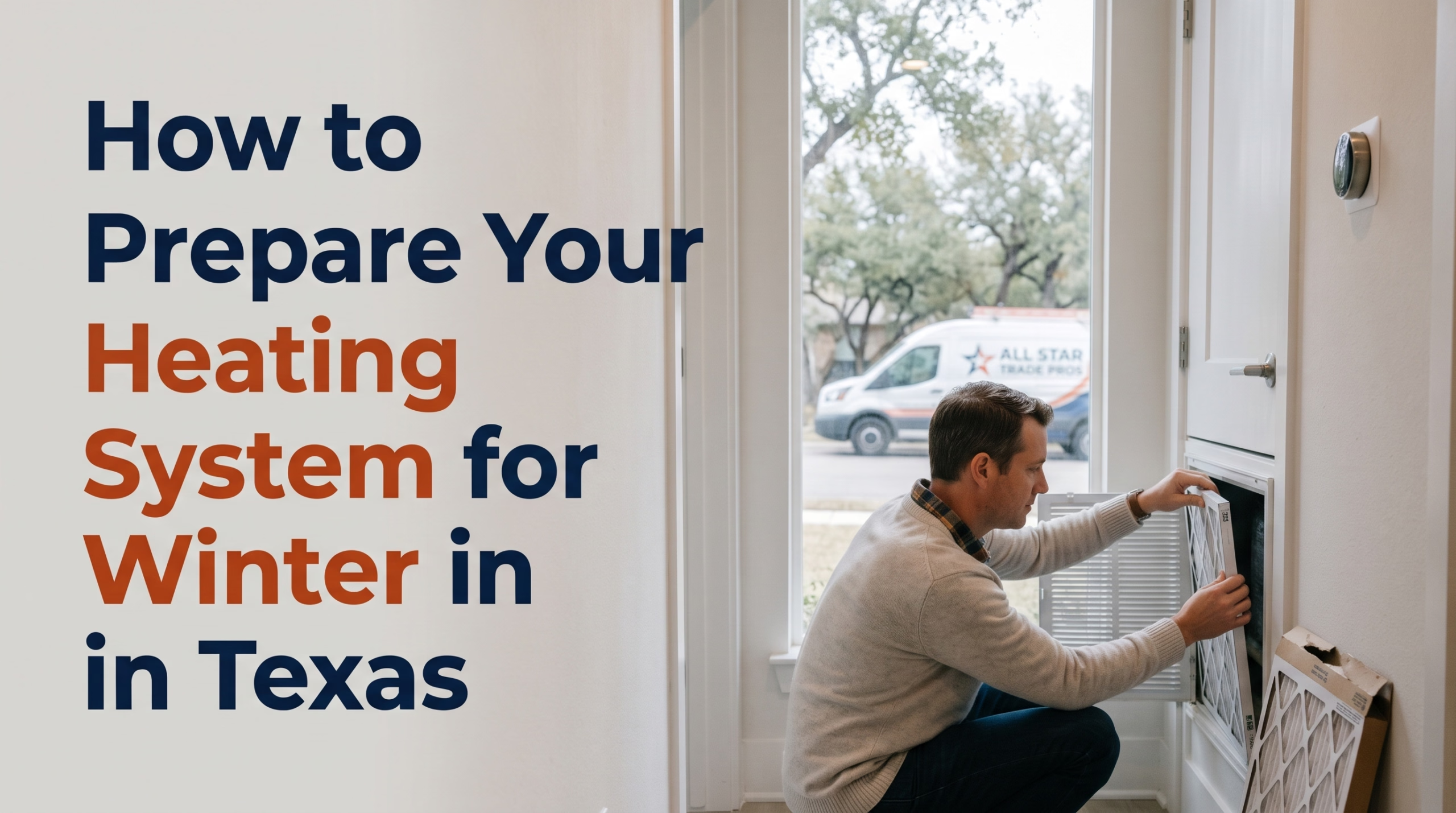
1. Replace the air filter
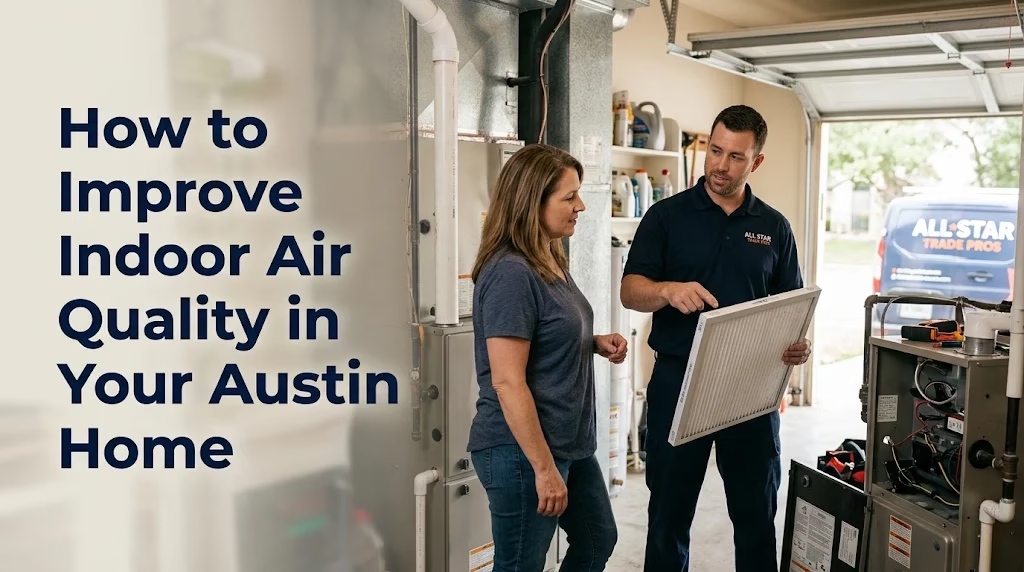
Start here. It takes two minutes and costs a few dollars. A clogged filter blocks airflow and makes the system run longer. It can even make a furnace overheat and shut itself off. If the filter looks gray, put in a new one. While you’re using the heat often, check the filter every month.
2. Test the heat before you need it
Pick a cool morning in October. Switch the thermostat to HEAT and set it a few degrees above the room temperature. You should feel warm air within a few minutes.
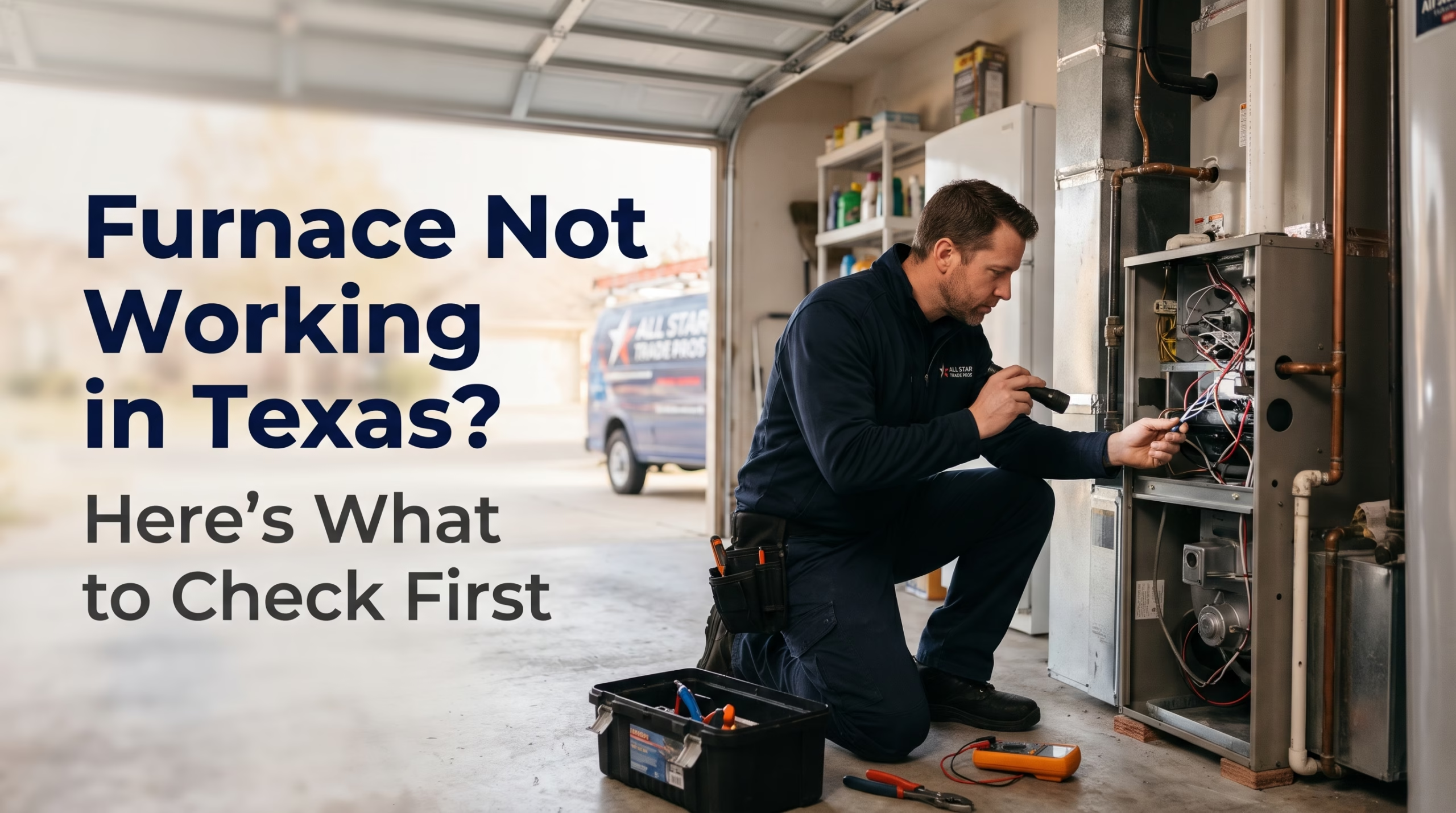
A dusty, burning smell the first time is normal. It comes from dust burning off the heat exchanger or the electric heat strips, and it should fade within an hour. Turn the system off if the smell doesn’t go away, smells electrical, or if the heat won’t start at all. Our guide on what to check when your furnace is not working in Texas walks you through the first steps.
3. Book a fall furnace tune-up
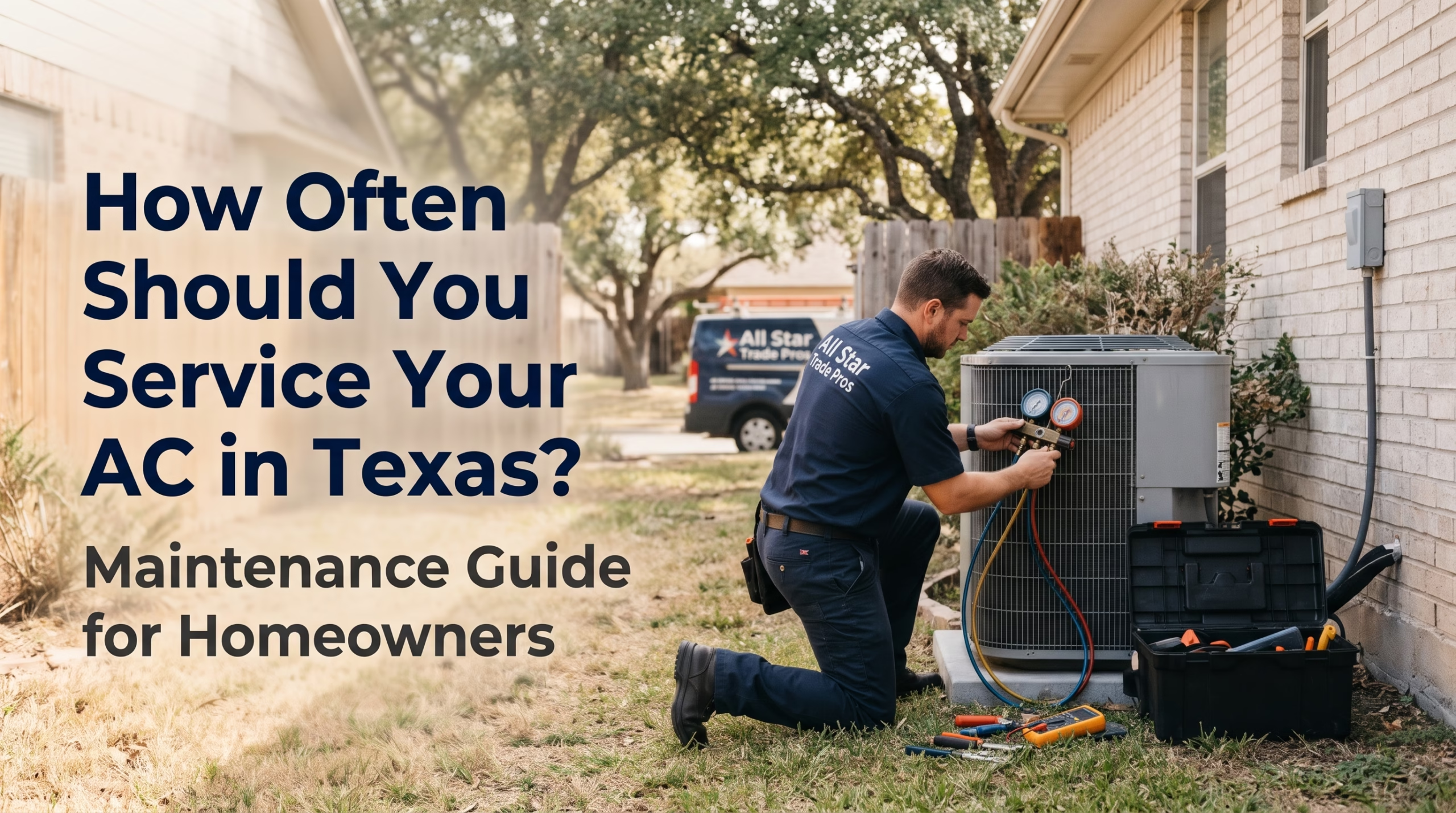
In Austin, fall is the best time for a furnace tune-up, from October to early November. That leaves time to fix any problems before the first freeze and before HVAC companies fill up with no-heat calls.
For a gas furnace, a good tune-up includes:
- Cleaning the burners and checking the flame
- Testing the igniter and flame sensor
- Inspecting the heat exchanger for cracks
- Checking gas pressure, venting and the flue
- Testing safety switches and limit controls
- Inspecting the blower motor and electrical connections
For a heat pump, the technician should check the refrigerant level, the reversing valve, the defrost cycle, the auxiliary heat strips and the outdoor coil.
A tune-up does more than keep you warm. The CDC advises having your heating system and other gas-burning appliances serviced by a qualified technician every year to lower the risk of carbon monoxide poisoning. You can book heating system maintenance in Austin or a furnace tune-up with our team.
4. Test your carbon monoxide detectors
You need working CO detectors if your home has a gas furnace, gas water heater, gas stove, fireplace or attached garage. Carbon monoxide has no smell or color. The CDC reports that more than 400 Americans die each year from accidental CO poisoning not linked to fires.
The CDC recommends a detector near every sleeping area. Test yours now. Replace any detector that is older than five years or past the date on its label.
Early CO poisoning feels like the flu. You may notice a headache, tiredness, nausea or dizziness. If several people in the house feel sick at the same time and feel better when they leave, get everyone outside and call for help.
One more rule for power outages: never heat your home with a generator, a gas oven or a grill. The Consumer Product Safety Commission found that in 2020, generators caused more CO deaths than any other consumer product.
5. Clear the space around your equipment
Furnace closets and attics often fill up with stored items. Move boxes, paint cans and cleaning supplies away from the unit. That gives it room to breathe and keeps anything flammable away from the burners. Inside the house, make sure furniture and rugs aren’t blocking any return vents or supply registers.
Outside, clear leaves and debris from around your heat pump. Don’t cover it for the winter. An AC-only unit sits idle in winter, but a heat pump runs all season and needs open airflow.
6. Know how your heat pump handles the cold
Many Texas homes use a heat pump instead of a gas furnace. On very cold days, electric heat strips step in to help. This backup is called auxiliary heat. The strips work well, but they cost much more to run.
Keep these points in mind:
- Light frost on the outdoor unit is normal. The system melts it during a defrost cycle, and you may see some steam.
- A thick block of ice that doesn’t melt is not normal. Call a technician.
- Use the EM HEAT (emergency heat) setting only if the heat pump itself has stopped working. If you run it by choice, your power bill will climb fast.
7. Protect pipes before a hard freeze
Heating prep and freeze prep go hand in hand. Before an arctic front arrives:
- Insulate exposed pipes in the attic, garage and outside walls
- Disconnect garden hoses and cover outdoor faucets
- Open sink cabinets on outside walls so warm air can reach the pipes
- Let faucets drip on the coldest nights
- Find your main water shut-off valve before you need it
If a pipe bursts, turn off the water and call for help with plumbing leaks. Poor attic insulation lets heat escape and leaves pipes exposed to the cold, so check your attic insulation while you’re up there.
8. Set the thermostat the smart way
If your thermostat uses batteries, replace them. A common energy-saving target is about 68°F while you’re home and awake. Setting the thermostat to 80 won’t heat the house any faster. It just makes the system overshoot and run longer.
Signs Your Heating System Needs Repair
Call a technician before the cold sets in if you notice any of these:
- A yellow or flickering burner flame instead of a steady blue one
- Banging, squealing or rattling when the heat starts
- The system turns on and off every few minutes
- Some rooms stay cold while others feel fine
- Your gas or electric bill jumps when the weather hasn’t gotten colder
- The system keeps failing to start, or the pilot light won’t stay lit
- Any CO alarm, even just once
Don’t wait on two of these signs: a yellow flame and a CO alarm. Both can point to incomplete combustion. Schedule furnace repair right away.
The Bottom Line
Winter heating prep in Texas is quick and cheap compared with a no-heat emergency in January. Change the filter, test the heat early, book a fall tune-up, check your CO detectors and protect your pipes before the first hard freeze.
All-Star Trade Pros handles heating system maintenance across Austin and Central Texas, including Round Rock, Cedar Park, Georgetown and Leander. Book your fall tune-up online, or join the All-Star Service Plan for yearly maintenance and priority scheduling.