A water heater leaking can damage your home faster than you expect. Water spreads quickly, seeps into floors, and weakens nearby structures within a short time. Many homeowners ignore small leaks at first, but those minor drips often signal a larger issue inside the tank.
This guide explains what actions you should take immediately when your water heater starts leaking. You will also learn what causes leaks and how you can prevent them in the future.
Why a Water Heater Leaking Is a Serious Problem
A water heater leaking can create multiple problems at once, and each one can become expensive if you delay action. Water can damage flooring, walls, and nearby appliances, especially when the leak continues unnoticed. Moisture also creates the perfect environment for mold growth, which affects indoor air quality. In many cases, a leak indicates internal damage, which means the tank may fail completely. Acting quickly helps you control the situation and reduce repair costs before the issue spreads further.
Risks of ignoring a leak
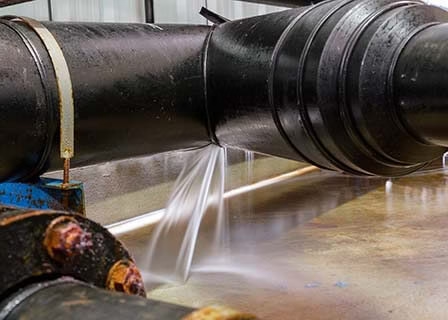
If you ignore a leaking water heater, the damage will continue to spread and become harder to manage. Water can weaken structural materials and create hidden moisture pockets behind walls or under floors. Over time, this can lead to mold growth and unpleasant odors inside your home. A leaking tank may also rupture suddenly, releasing a large volume of water. This situation can cause severe flooding and require expensive repairs that could have been avoided with early action.
Signs your water heater is leaking
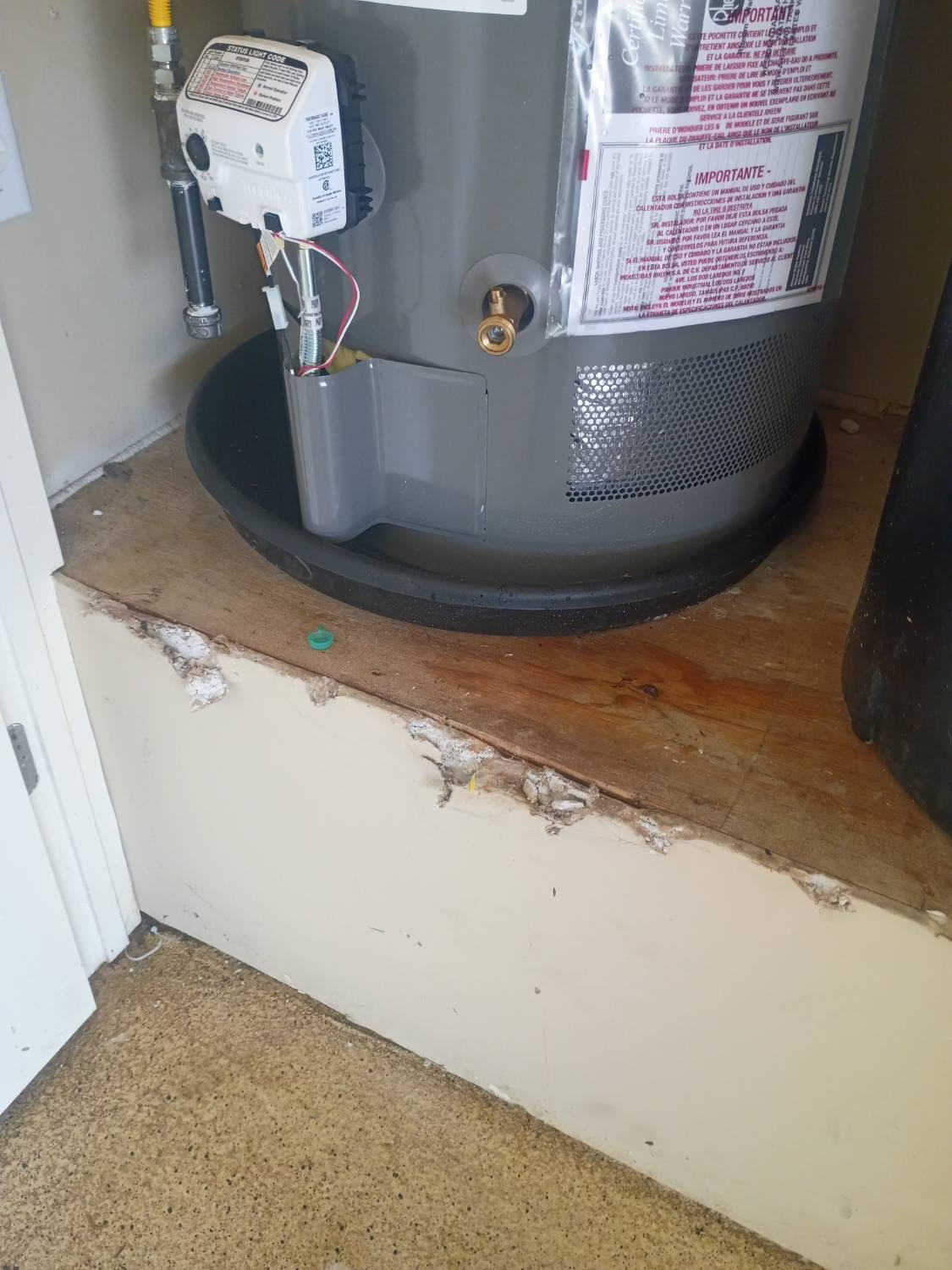
You can often detect a leaking water heater early if you pay attention to small changes around the unit. Water may start pooling near the base, or you might notice damp spots on the floor. Rust marks or corrosion on the tank surface also suggest internal wear. Some heaters produce unusual sounds when sediment builds up inside. A drop in hot water supply can also signal a hidden leak that needs immediate inspection.
What to Do Immediately When Your Water Heater Is Leaking
When you notice a water heater leaking, you need to act quickly to limit damage. Start by ensuring safety, then stop the water flow, and reduce pressure inside the tank. Each step plays a role in preventing further issues. If you delay these actions, the leak may worsen and affect surrounding areas. Taking control early helps you avoid larger repair costs and keeps your home safe from water damage and electrical risks linked to moisture exposure.
Turn off the power supply
You should immediately turn off the power supply to prevent overheating or electrical hazards. If you use an electric heater, switch off the circuit breaker connected to the unit. For gas heaters, turn the gas valve to the off position to stop fuel flow. This step protects internal components and reduces the risk of further damage. It also creates a safer environment for inspection and repair without exposing yourself to unnecessary danger.
Shut off the water supply
After cutting the power, you need to stop water from entering the tank. Locate the cold water valve, which usually sits on top of the heater, and turn it clockwise until it closes completely. This action prevents additional water from filling the tank and leaking out. If you cannot find the valve or it does not work properly, you may need to shut off the main water supply to your home to control the situation.
Drain the tank safely
Draining the tank helps reduce internal pressure and limits further leakage. You can connect a hose to the drain valve at the bottom of the heater and guide the water toward a safe drainage area. Open the valve slowly to control the flow and avoid splashing. This process removes hot water from the tank, making it safer to inspect. It also minimizes the amount of water that could leak onto your floor.
Identify the leak source
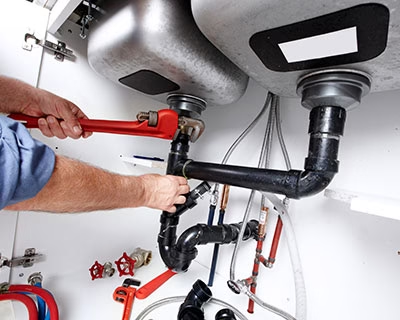
Once you control the water and power, you should inspect the heater carefully to find the source of the leak. Check pipe connections, valves, and the bottom of the tank for visible signs of water. Some leaks come from loose fittings, while others indicate internal damage. Identifying the exact source helps you decide whether you can fix the issue yourself or need professional assistance for a more serious problem.
Common Causes of a Water Heater Leaking
A water heater leaking often results from wear and tear that builds up over time. Different components inside and outside the tank can fail due to pressure, temperature changes, or mineral buildup. Understanding the cause helps you choose the right solution and avoid repeating the same issue. Some problems require simple fixes, while others indicate that the heater has reached the end of its lifespan and needs replacement.
Loose connections
Loose connections often cause small leaks that appear around pipes or fittings. Over time, vibrations and temperature changes can weaken these joints and allow water to escape. You may notice dripping near the inlet or outlet pipes connected to the heater. Tightening these connections can often stop the leak if you catch it early. However, you should monitor the area to ensure the problem does not return after the adjustment.
Faulty pressure relief valve
The pressure relief valve releases excess pressure from the tank to prevent dangerous buildup. When this valve becomes faulty, it may leak continuously or fail to seal properly. You might notice water dripping from the valve or collecting nearby. Replacing the valve usually resolves the issue, but you should ensure proper installation. A malfunctioning valve can affect the heater’s performance and increase pressure-related risks inside the tank.
Corrosion inside the tank
Corrosion develops inside the tank as metal reacts with water over time. Once rust forms, it weakens the tank walls and creates small cracks that allow water to leak out. This type of damage cannot be repaired effectively, and the leak will continue to worsen. If you see rust-colored water or visible corrosion on the tank surface, you should prepare for a replacement to avoid sudden tank failure.
Sediment buildup
Sediment buildup occurs when minerals settle at the bottom of the tank and form a hard layer. This layer traps heat and causes the tank to overheat, which stresses the metal structure. Over time, this pressure can create small fractures that lead to leaks. You may also hear rumbling sounds during operation. Regular flushing helps remove sediment and reduces the risk of damage caused by overheating.
Can You Fix a Leaking Water Heater Yourself?
You can handle some minor issues on your own, but not every leak has a simple solution. The success of a repair depends on where the leak originates and how severe the damage is. While small external problems can be fixed with basic tools, internal damage usually requires replacement. Understanding the difference helps you avoid wasting time on temporary fixes that will not hold under pressure.
Temporary fixes
You can apply temporary fixes if the leak comes from external components like valves or connections. Tightening fittings or replacing a worn valve can stop minor leaks effectively. Some homeowners use sealants as a short-term solution, but these do not last long under heat and pressure. These fixes can buy you time, but you should still plan a proper repair or inspection to prevent the issue from returning.
When professional help is needed
You should contact a professional if your water heater leaking problem involves the tank itself or continues after basic fixes. Internal corrosion or cracks cannot be repaired safely, and trying to patch them may lead to sudden failure. A plumber can assess the condition of your heater and recommend repair or replacement. Professional help ensures safe handling and reduces the risk of further damage to your home.
How to Prevent Water Heater Leaks in the Future
You can reduce the risk of a water heater leaking by following simple maintenance practices. Regular inspection and cleaning keep the system in good condition and help you catch problems early. Preventive care extends the lifespan of the heater and improves its efficiency. Paying attention to small warning signs also allows you to act before a minor issue turns into a major repair or replacement situation.
Maintenance practices
You should flush the tank at least once a year to remove sediment buildup and maintain efficiency. Checking valves and pipe connections regularly helps you spot wear before leaks start. Inspect the tank surface for signs of rust or corrosion during routine checks. Installing a leak detector near the heater adds an extra layer of protection. These steps help you maintain performance and reduce the chances of unexpected failures.
Early warning signs
Early warning signs often appear before a major leak develops, and you should not ignore them. Discolored water may indicate internal corrosion, while a metallic smell can signal tank deterioration. Fluctuating water temperature also suggests internal issues affecting performance. Paying attention to these signs allows you to address problems early. Quick action helps you avoid sudden leaks and keeps your water heater functioning reliably over time.