A sewer smell in house is not just unpleasant. It is often a sign that something in your plumbing system is not working the way it should. Many homeowners ignore the smell at first, hoping it will go away on its own. In most cases, it does not. Instead, the odor gets stronger and spreads to different areas like the bathroom or basement.
If you are dealing with a bathroom sewer smell or your basement smells like sewer, it is better to understand the cause early. This helps you fix the issue before it turns into a bigger and more expensive problem. In this guide, you will learn what causes sewer gas smell, where it comes from, and what steps you can take to deal with it.
Why Sewer Smell in House Happens
A sewer smell in house usually comes from gases that are supposed to stay inside your plumbing system. These gases move through pipes and are released safely outside through vent pipes. When something goes wrong, the gas finds another way out, and that is when you start noticing the smell inside your home.
One of the most common reasons is a dry drain trap. Every sink, shower, and floor drain has a curved pipe that holds water. This water acts as a barrier. When the trap dries out, the barrier disappears and sewer gas smell can move freely into your home. This often happens in areas that are not used regularly.
Another cause is blocked or damaged vent pipes. These pipes allow gases to escape through the roof. If they are blocked by debris or even small animals, the pressure inside the system changes. As a result, the gas may come back through your drains instead of going outside.
Sometimes the problem is deeper in the system. Cracks in pipes or loose connections can allow sewer gases to leak into walls or floors. In these cases, the smell may appear in random spots and can be harder to track.
Common Sources of Sewer Smell in Bathroom
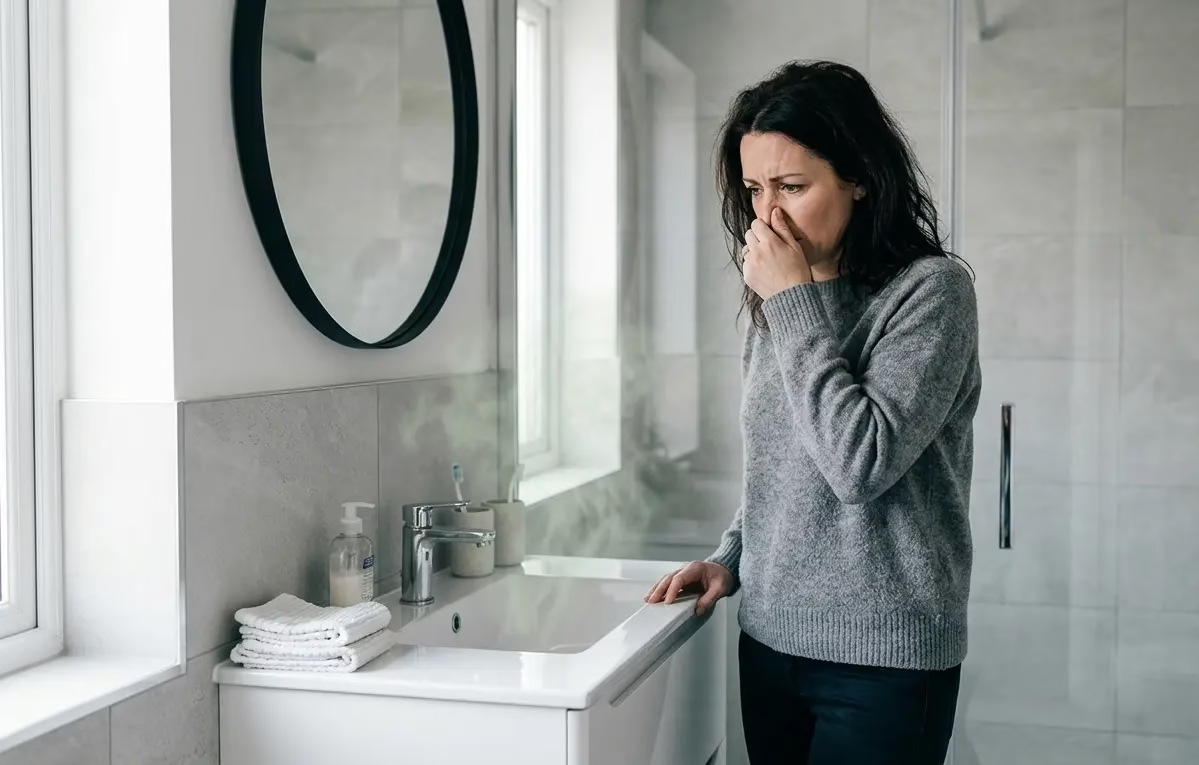
The bathroom is one of the most common places where homeowners notice a sewer smell. A sewer smell in bathroom can come from several small issues that are easy to overlook.
A frequent cause is buildup inside the drain. Over time, hair, soap, and other materials collect inside pipes. This creates a layer where bacteria grow. The bacteria produce gases that smell very similar to sewer gas smell. This is why the odor may get worse after you run water.
Another possible cause is a loose or damaged toilet seal. The base of your toilet is sealed with a wax ring that prevents sewer gases from escaping. If this seal breaks or shifts, the gas can leak out and create a strong smell around the toilet area. Sometimes you may also notice slight movement when sitting on the toilet, which is a sign the seal is no longer tight.
A bathroom sewer smell can also come from an overflow drain in sinks or bathtubs. These small openings are often forgotten during cleaning. Dirt and bacteria collect there and lead to a persistent odor.
Why Your Basement Smells Like Sewer
If your basement smells like sewer, the cause is often different from what you see in bathrooms. Basements usually have floor drains that are not used often. When water in the trap evaporates, it leaves an open path for sewer gas smell to enter.
Basements are also closer to the main sewer line. If there is even a small crack or leak in the pipe, the smell can enter the space quickly. Because basements are often less ventilated, the odor tends to stay longer and feel stronger.
Another factor is humidity. A damp basement can make odors more noticeable. Even a minor plumbing issue can seem worse because the smell lingers in the air.
Hidden Plumbing Issues That Cause Sewer Gas Smell
Some causes of sewer smell in house are not easy to see. These hidden problems often require closer inspection.
A damaged sewer line is one of the more serious issues. Over time, pipes can wear out or shift due to ground movement. Tree roots can also grow into pipes and create small openings. These openings allow sewer gas to escape before it reaches the main system.
Improper plumbing installation can also lead to ongoing odor problems. If pipes are not aligned correctly or vents are missing, the system cannot maintain proper airflow. This creates pressure changes that push gas back into the house.
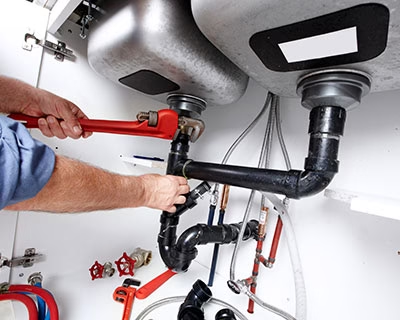
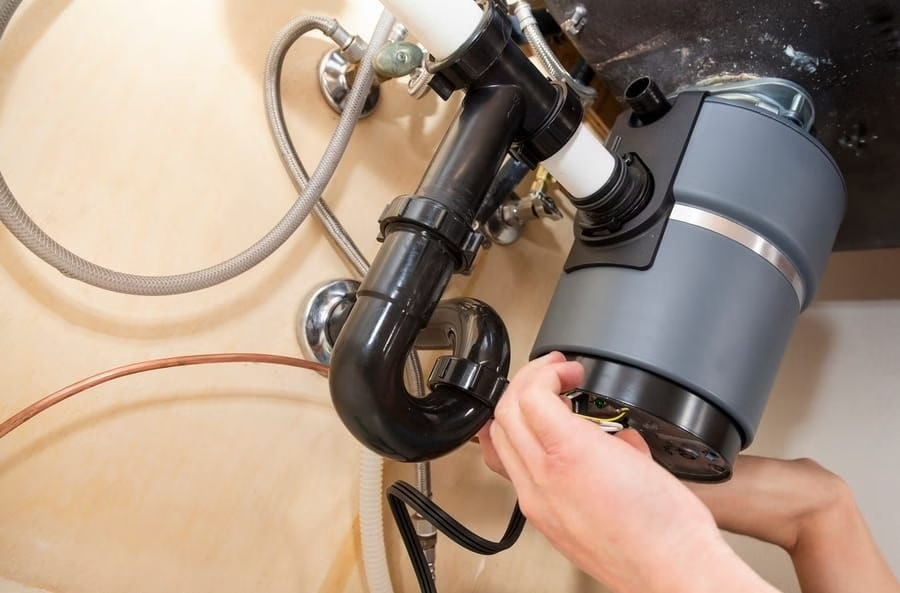
Sometimes the issue is as simple as a loose pipe connection under a sink. Even a small gap can let gas escape. These leaks are often missed because they are hidden behind cabinets or walls.
Health Risks of Sewer Gas Smell in Your Home
A sewer smell in house is not only about comfort. It can also affect your health. Sewer gas contains substances like hydrogen sulfide, which gives it a rotten egg smell.
In small amounts, it may only cause discomfort. You might notice headaches, dizziness, or irritation in your eyes and throat. If the exposure continues, these symptoms can become more noticeable.
For this reason, it is better to treat sewer gas smell as a warning sign. Fixing the source early helps keep your indoor air safe and clean.
How to Fix Sewer Smell in House Step by Step
Fixing sewer smell in house depends on finding the exact cause. Some solutions are simple and can be done quickly. Others may need more time or professional help.
Start by checking all drains in your home. Pour water into any drain that has not been used for a while. This helps refill the trap and blocks the gas. Many homeowners find that this step alone removes the smell in certain areas.
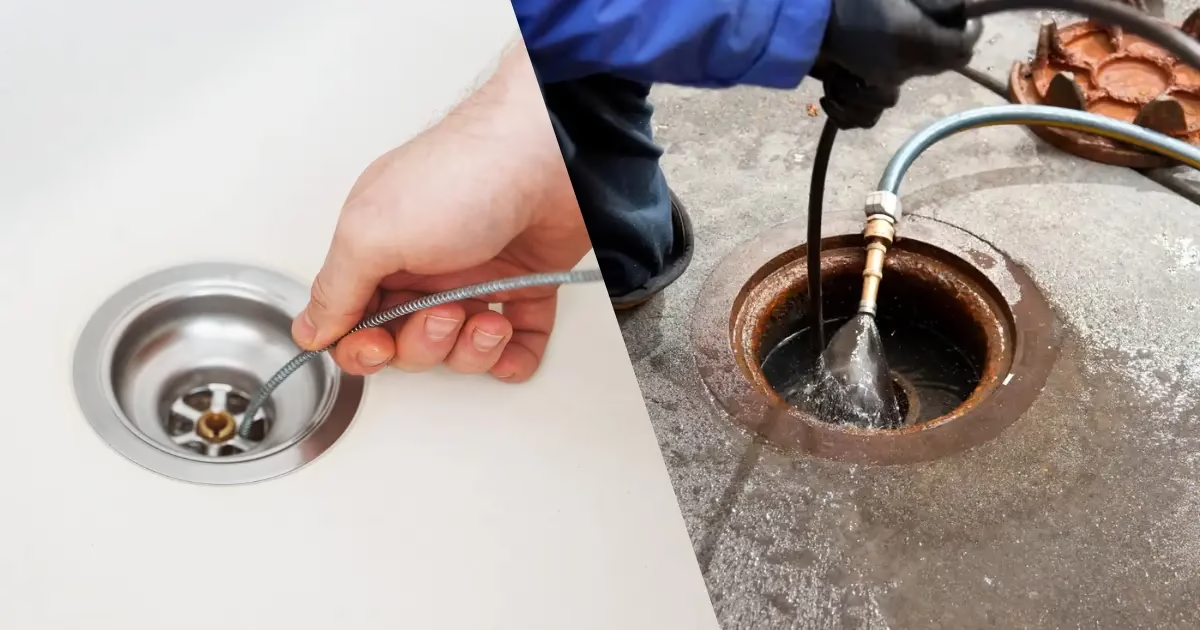
Next, clean your drains. Organic buildup inside pipes is a common reason for odor. Using a mild cleaning solution can help break down this buildup and reduce the smell. Pay attention to areas like bathroom sinks and showers where residue collects easily.
If the smell is coming from the toilet area, inspect the base. If you notice movement or water around the base, the seal may need to be replaced. This is a common fix for bathroom sewer smell.
For more persistent problems, checking the vent system may be necessary. Blocked vents can cause pressure issues that push gas back into the home. Clearing these vents allows the system to work properly again.
If the sewer smell in house does not go away, it may point to a deeper issue. Homeowners in Liberty Hill TX can consider a professional sewer repair service in Liberty Hill TX for a proper fix:
How to Prevent Sewer Smell in Bathroom and Other Areas
Preventing sewer smell in house is easier than dealing with it later. Regular maintenance plays a big role.
Keeping water in all drains is one of the simplest steps. Even rarely used drains should be checked from time to time. Running water for a few seconds can keep the trap filled and effective.
Cleaning drains regularly also helps prevent buildup. This reduces the chances of bacteria creating odors. Paying attention to small details, like cleaning overflow openings, can make a noticeable difference.
It also helps to monitor your plumbing system for early signs of trouble. Slow drains, gurgling sounds, or unusual smells are often early warnings. Addressing them early can prevent larger issues later.
When You Should Call a Professional
There are times when a sewer smell in house needs professional attention. If the smell does not go away after basic fixes, the issue may be deeper in the system.
A plumber can inspect pipes using specialized tools and find problems that are not visible. This is especially helpful if you suspect a broken sewer line or hidden leak.
It is also a good idea to seek help if multiple areas in your home have the same smell. This often points to a larger issue in the main system rather than a single drain.
Final Thoughts
A sewer smell in house should never be ignored. It often starts as a small issue but can grow into something more serious if left untreated. Whether it is a bathroom sewer smell, a basement that smells like sewer, or a general sewer gas smell throughout your home, the key is to act early.
Understanding the causes helps you take the right steps and avoid unnecessary repairs. Regular care and attention to your plumbing system can keep your home fresh and safe. If the problem feels too complex, getting professional help is always a smart choice.