Introduction
Most homeowners only think about their heating and cooling system when it stops working, and by that point the damage is often already costly. A properly maintained system can last several years longer than expected, which makes a noticeable difference in long term expenses. If you want to extend HVAC lifespan and avoid sudden failures, consistent care and smart usage habits are necessary. This guide explains how to maintain your system, improve performance, and reduce stress on key components so your home stays comfortable throughout every season without unnecessary breakdowns.
Why HVAC System Longevity Matters
Your HVAC system is a long term investment that directly affects comfort, energy use, and monthly costs. A system that lasts longer performs more consistently and reduces the chances of sudden repairs. HVAC system longevity also plays a role in indoor air quality improvement since a well maintained system circulates cleaner air and maintains balanced airflow. When the system runs efficiently, it does not have to work harder than necessary, which helps preserve internal components and reduces wear over time.
HVAC Maintenance Guide Every Homeowner Needs
Seasonal HVAC Maintenance Routine
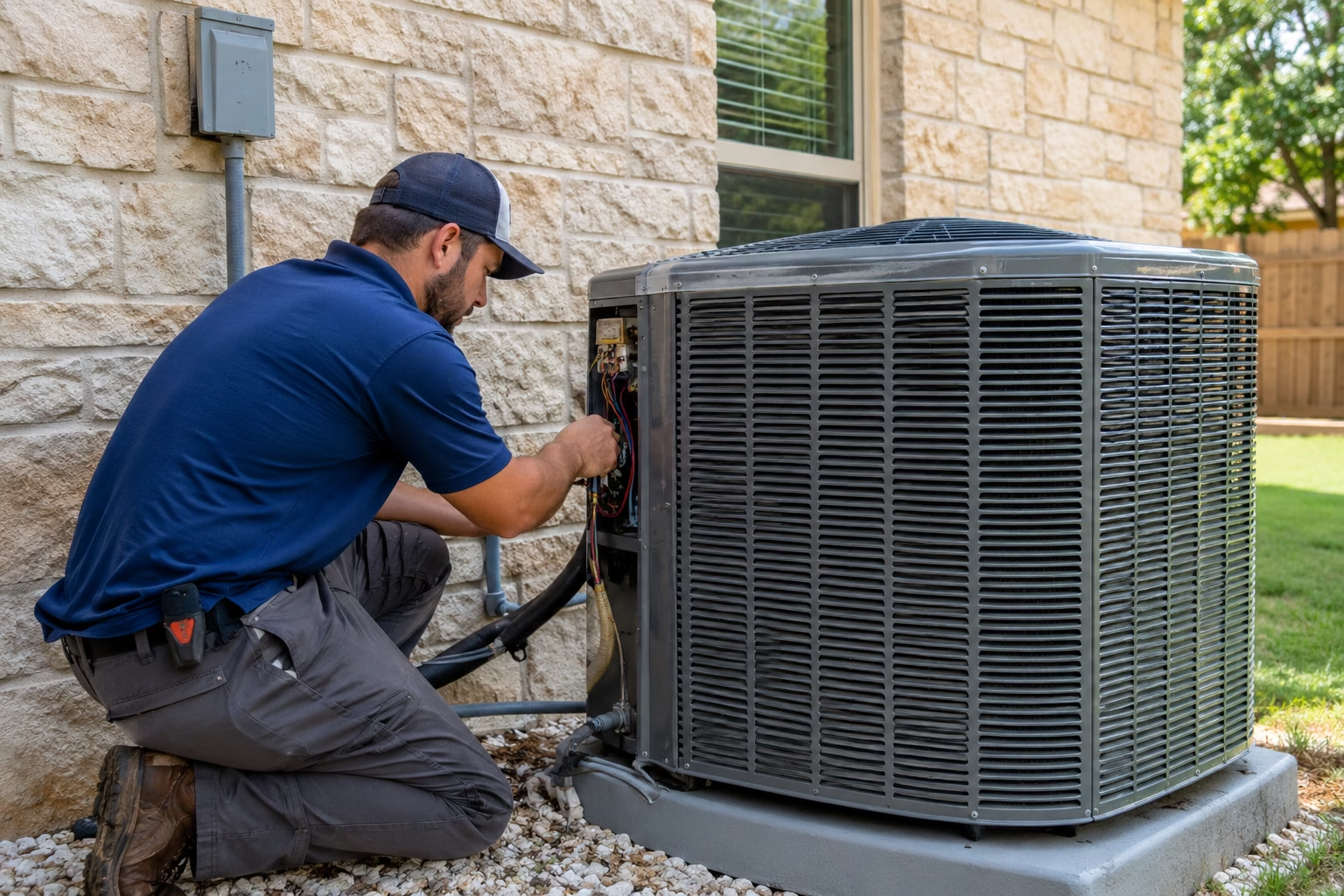
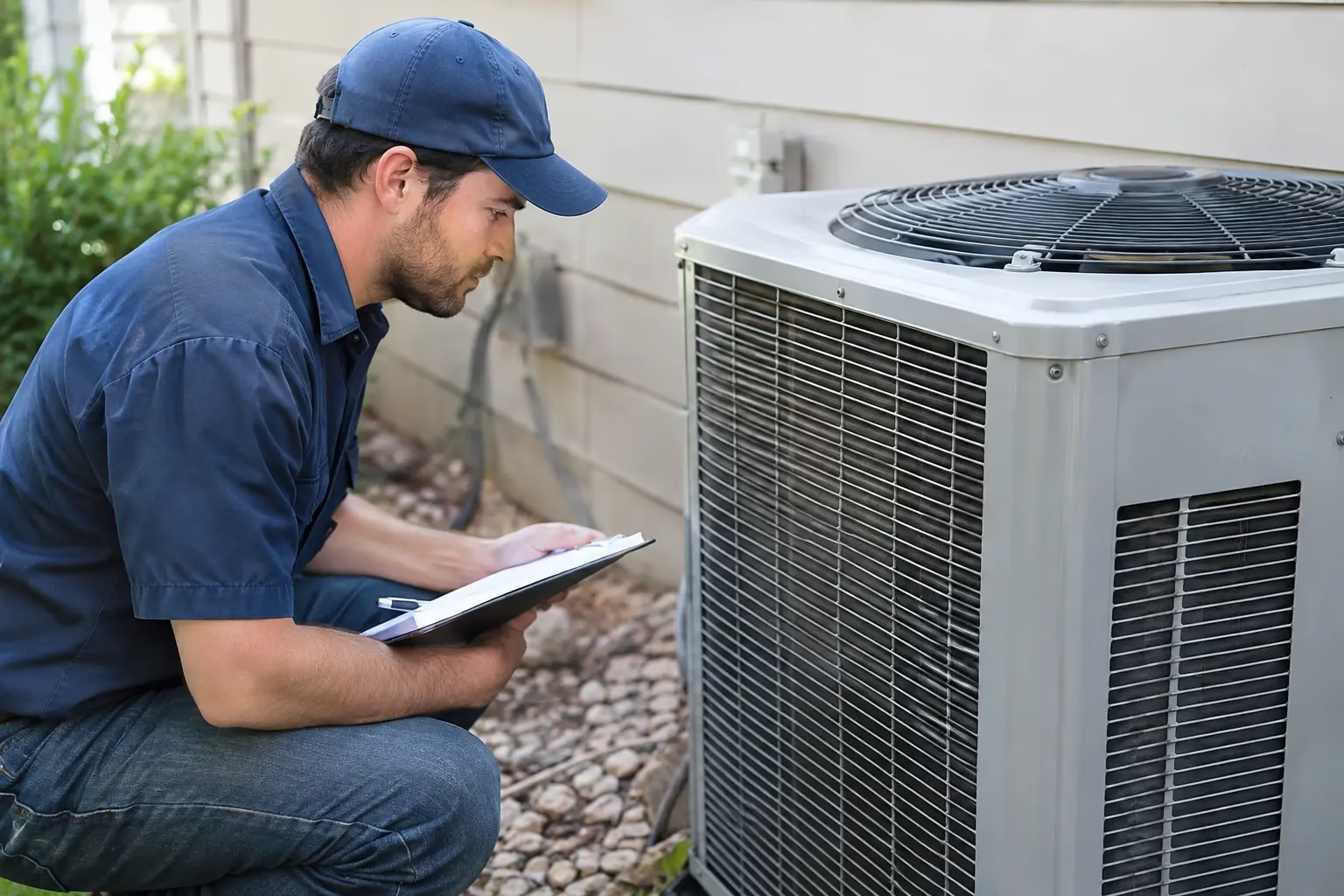
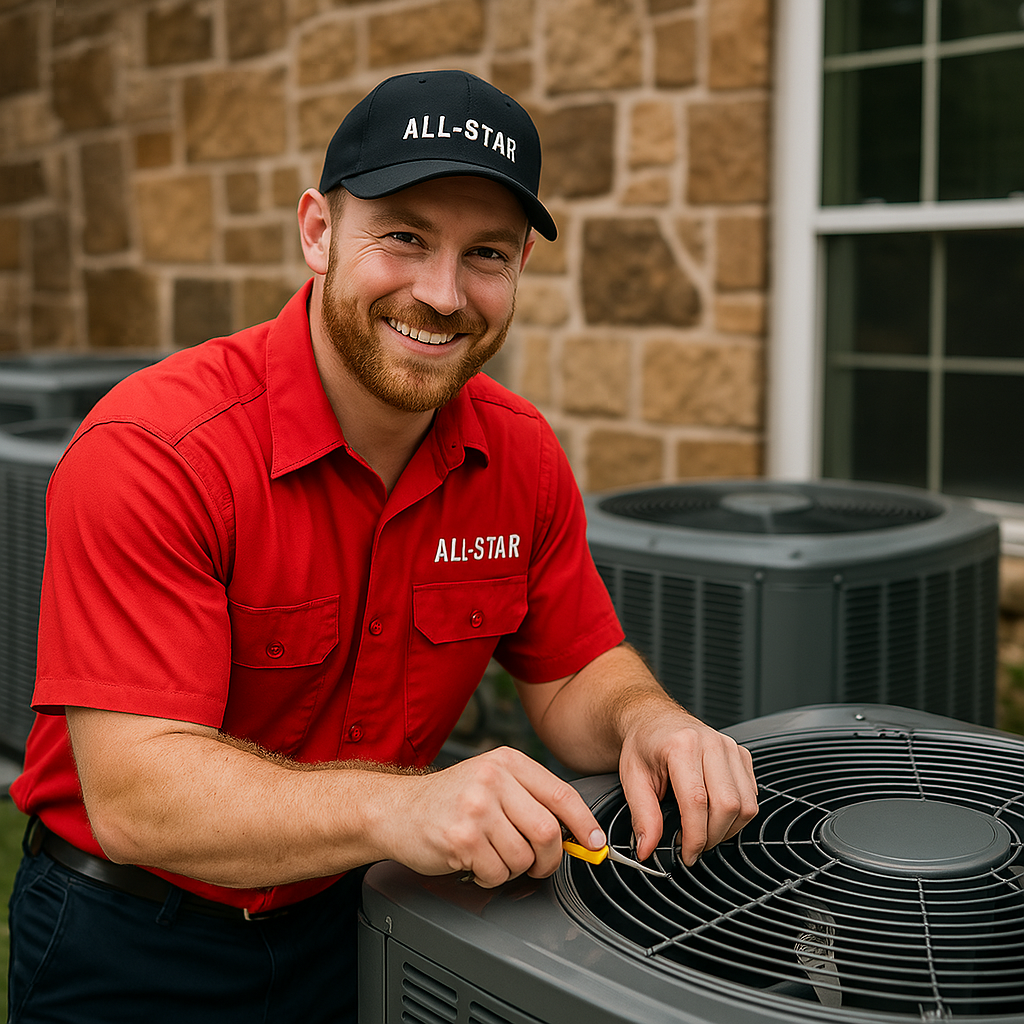
A structured approach to seasonal HVAC maintenance keeps your system prepared for changing temperatures. During warmer months, attention should be given to the outdoor condenser unit to ensure it remains free from dirt and debris that can block airflow. In colder seasons, heating components need inspection to confirm proper function and safety. Regular evaporator coil cleaning prevents buildup that reduces efficiency, while checking airflow problems in HVAC systems helps detect hidden issues early. This approach keeps the system balanced and reduces unnecessary strain across all seasons.
HVAC Maintenance Tips That Work
Air Filter Replacement Frequency
Air filters play a critical role in system performance and indoor air quality. When filters become clogged, airflow is restricted, forcing the system to work harder than normal. Replacing filters at the right intervals helps maintain proper airflow and protects internal parts from dust buildup. The frequency depends on usage and indoor conditions, but staying consistent is one of the simplest HVAC care tips that delivers strong results.
Thermostat Optimization Tips
Thermostat settings have a direct impact on how often your system cycles on and off. Small adjustments can reduce workload and energy use without affecting comfort. Keeping temperatures slightly adjusted when the home is empty prevents unnecessary operation, which supports long term performance. Smart thermostats make this process easier by automating temperature changes based on your schedule.
Duct Cleaning Importance
Dust and debris inside ducts reduce airflow and spread particles throughout your home. Over time, this buildup lowers system efficiency and affects air quality. Regular duct cleaning improves circulation and allows your HVAC system to operate with less resistance, which contributes to better overall performance.
How to Increase HVAC Efficiency at Home
Home Insulation and HVAC Efficiency
Insulation works alongside your HVAC system by maintaining indoor temperatures. Poor insulation allows air to escape, forcing the system to run longer to maintain comfort levels. Improving insulation reduces energy demand and supports consistent indoor conditions, which helps extend system life.
Energy-Saving HVAC Strategies
Energy-saving HVAC strategies focus on reducing unnecessary strain. Keeping vents clear, sealing air leaks, and maintaining proper airflow all contribute to smoother operation. These adjustments help increase HVAC efficiency while lowering energy consumption, which benefits both performance and cost control over time.
Common HVAC Issues and Fixes
Signs Your HVAC Needs Repair
Early detection of problems prevents major system damage. Unusual sounds, inconsistent temperatures, and rising energy bills often indicate underlying issues. Recognizing signs your HVAC needs repair allows you to address problems before they affect the entire system.
HVAC Troubleshooting Tips
Basic HVAC troubleshooting tips can resolve minor issues quickly. Checking the thermostat, inspecting filters, and ensuring the outdoor unit is free from obstruction are simple steps that can restore normal function. These small actions help maintain performance without requiring immediate professional assistance.
Professional HVAC Servicing vs DIY
HVAC Maintenance Cost
Routine maintenance costs are significantly lower than emergency repairs or full system replacement. Investing in regular servicing ensures that potential issues are identified early, reducing the likelihood of expensive breakdowns.
HVAC System Tune-Up Benefits
Professional HVAC servicing includes detailed inspections and adjustments that are difficult to perform without proper tools. HVAC system tune-up benefits include improved efficiency, reduced wear, and more reliable performance. This level of care helps extend HVAC lifespan while maintaining consistent operation throughout the year.
When to Replace HVAC System Instead of Repair
Even with the best HVAC maintenance tips, every system eventually reaches a point where replacement becomes the better option. Older systems tend to lose efficiency and require more frequent repairs, which increases overall costs. If performance continues to decline despite regular servicing, it may be time to evaluate HVAC repair vs replacement. Making the right decision at this stage helps avoid ongoing expenses and ensures better efficiency moving forward.
Conclusion
Keeping your HVAC system running for years beyond its expected lifespan depends on regular care and smart decisions. Consistent maintenance, proper airflow management, and timely servicing all play a role in reducing system stress and improving performance. By following these strategies, homeowners can increase HVAC efficiency, lower repair costs, and maintain a comfortable living environment without unexpected disruptions. Taking action early makes a noticeable difference in both system reliability and long term savings.