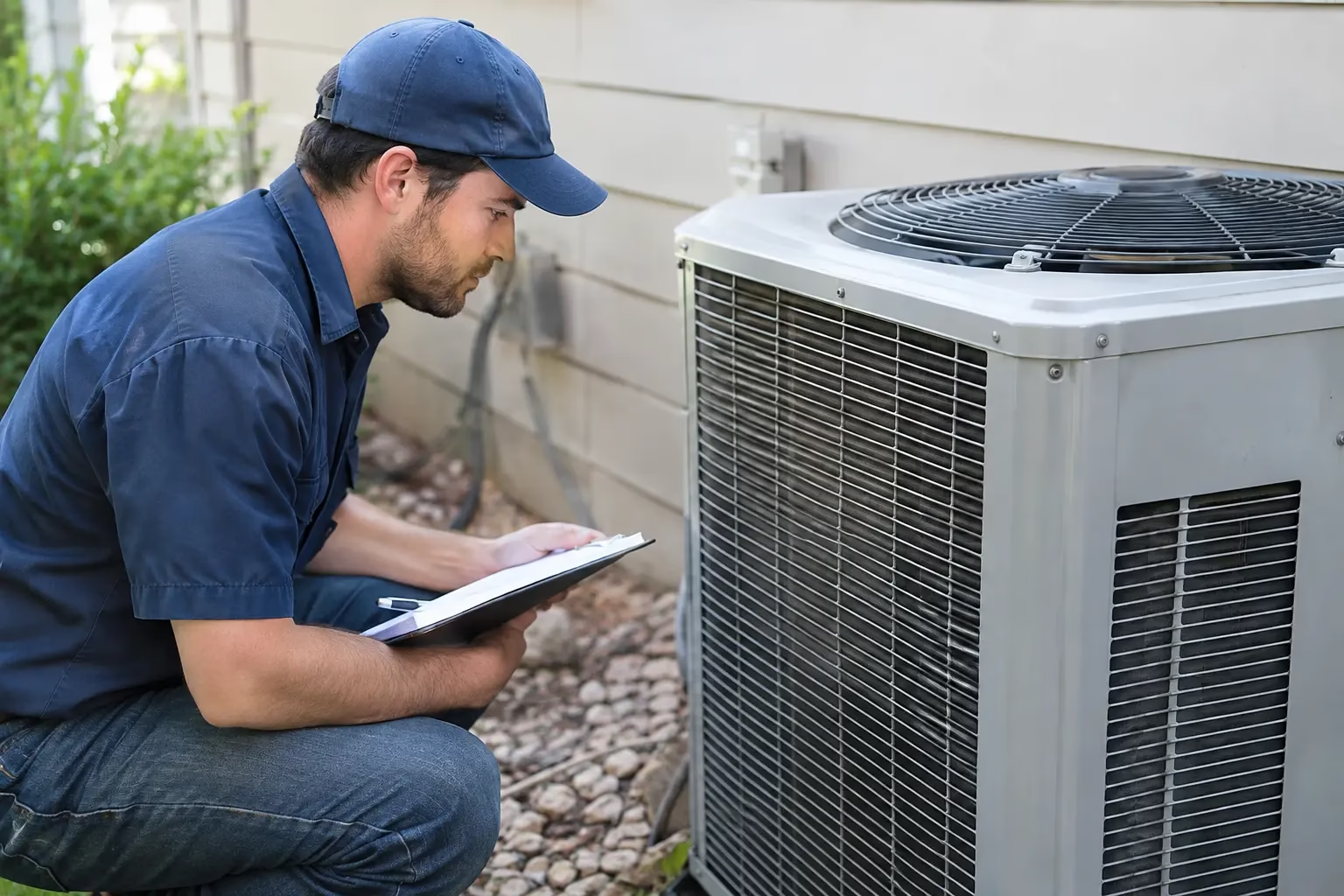
Replacing an HVAC system is a major expense for any homeowner. In Austin, TX, long summers and intense heat put extra pressure on air conditioners. An old or inefficient system can also increase your monthly electricity bills.
So, how much does a new HVAC system cost in Austin, TX?
Most homeowners should plan for several thousand dollars for a new system. A complete replacement can cost significantly more if the home needs new ductwork, electrical upgrades, or a higher-efficiency unit. Your final price depends on the equipment, installation requirements, and condition of your existing system.
This guide breaks down HVAC installation costs in Austin, explains the factors that affect your quote, and shares practical ways to save money on your next installation.
How Much Does a New HVAC System Cost in Austin, TX?
A complete HVAC system replacement in Austin can cost approximately $8,000 to $16,000 for many conventional residential installations. Larger homes, premium equipment, and major ductwork changes can push the price above $20,000.
These figures provide a general budgeting range. They do not represent a fixed quote from All-Star Trade Pros. Your actual cost will depend on your home’s cooling requirements and installation conditions.
Average HVAC Installation Cost in Austin, TX
| HVAC system or project | Estimated installed cost |
|---|---|
| Basic central AC replacement | $5,500–$8,000 |
| Standard central HVAC system | $8,000–$13,000 |
| High-efficiency HVAC system | $10,000–$16,000 |
| Premium variable-speed system | $12,000–$20,000+ |
| Ductless mini-split system | $4,000–$7,000+ |
| Full ductwork replacement | $3,500–$11,000+ |
These are broad planning estimates, not guaranteed Austin prices. Actual costs vary by system size, equipment, labor, and project scope. Ductwork costs are additional when the project requires them.
For a more accurate estimate, ask your HVAC contractor to separate equipment, labor, ductwork, electrical work, permits, and other installation costs.
What Affects HVAC System Replacement Cost in Austin?
Several factors influence the total cost of a new HVAC system. Understanding them helps you compare quotes and choose the right equipment for your home.
1. System Size and Cooling Capacity
HVAC contractors measure cooling capacity in tons. One ton represents 12,000 British thermal units (BTUs) of cooling per hour.
Larger homes often require more cooling capacity. However, square footage alone does not determine the correct system size.
A contractor should consider your home’s insulation, ceiling height, windows, air leakage, sun exposure, and ductwork. A Manual J load calculation helps determine the cooling capacity your home needs.
An oversized unit may switch on and off too frequently. This can reduce efficiency and leave your home feeling humid. An undersized unit may run for long periods without maintaining a comfortable temperature.
Choose a system that fits your home’s actual cooling load instead of paying for unnecessary capacity.
2. Energy Efficiency Ratings
Efficiency affects both the purchase price and your future electricity bills.
Manufacturers use the Seasonal Energy Efficiency Ratio 2 (SEER2) rating to measure an air conditioner’s seasonal cooling efficiency. Higher ratings generally indicate better efficiency under standardized testing conditions.
A higher-efficiency system often costs more upfront. However, it may reduce cooling expenses during Austin’s long summers.
Compare the following before choosing a system:
- The equipment’s SEER2 rating.
- The difference in upfront cost between models.
- Your expected annual cooling usage.
- Available utility rebates.
- The equipment warranty and maintenance requirements.
Do not choose a system based on its efficiency rating alone. The right combination of equipment, installation quality, and home insulation delivers better long-term value.
3. Existing Ductwork Condition
Your ductwork carries conditioned air throughout your home. Damaged, poorly sealed, or improperly sized ducts can waste energy and create uneven temperatures.
If your existing ducts remain in good condition, your contractor may reuse them. This can reduce installation costs.
However, damaged ducts may need sealing, repairs, or replacement. Some homes also need additional ductwork to support a different system design.
Ask your contractor to inspect the ducts before preparing the final estimate. This helps you avoid unexpected expenses after installation begins.
4. Type of HVAC System
Different systems have different equipment and installation costs.
Central air conditioning with a furnace: This setup cools your home with central AC and uses a furnace for heating. It works well for homes with existing ductwork and gas heating.
Heat pump system: A heat pump provides both cooling and heating. It moves heat instead of generating heat through combustion. Its operating costs depend on equipment efficiency, electricity rates, and household usage.
Ductless mini-split system: A mini-split provides heating and cooling without traditional ductwork. It can suit room additions, garages, and homes that need separate temperature control in different areas.
Your contractor can compare these options based on your home, budget, and comfort needs.
5. Labor, Electrical Work, and Permits
Installation involves more than placing a new outdoor unit beside your home.
Your contractor may need to remove old equipment, connect refrigerant lines, modify drain lines, update electrical connections, install a thermostat, and test the system.
Some projects also require electrical panel upgrades or additional code-related work. Permit requirements and fees depend on the project and the applicable local jurisdiction.
Ask whether your quote includes equipment removal, required permits, startup testing, and final inspections. A lower quote may exclude services that another contractor includes.
How Much Does a New AC Unit Cost in Texas?
The new AC unit cost in Texas depends on whether you need only an outdoor condenser or a complete matched system.
Replacing just the outdoor unit may cost less. However, the indoor coil, air handler, refrigerant lines, and other components must remain compatible with the new equipment.
For many homes, replacing the indoor and outdoor components together offers a more practical long-term solution. Your contractor can inspect the existing equipment and explain which components require replacement.
Consider these factors when comparing AC replacement options:
- Equipment compatibility: Confirm that the indoor and outdoor components work together as a matched system.
- System age: Older components may fail soon after you replace the condenser.
- Refrigerant requirements: Confirm that the new equipment and existing components meet current manufacturer requirements.
- Warranty coverage: Check the manufacturer’s terms and any installation warranty.
- Long-term operating costs: Compare estimated energy use instead of looking only at the purchase price.
A professional inspection can help you decide whether a partial replacement makes sense or whether a complete system offers better value.
HVAC Installation Cost for Different Home Sizes
Home size affects HVAC installation cost, but it does not determine the final price on its own.
The following table provides broad budgeting examples for homes with existing, usable ductwork.
| Approximate home size | Possible cooling capacity | General budget range |
|---|---|---|
| 1,000–1,500 sq. ft. | 2–3 tons | $6,000–$10,000 |
| 1,500–2,000 sq. ft. | 3–3.5 tons | $7,000–$12,000 |
| 2,000–2,500 sq. ft. | 3.5–4 tons | $8,000–$14,000 |
| 2,500–3,000 sq. ft. | 4–5 tons | $10,000–$16,000+ |
These ranges are illustrative estimates for planning purposes, not contractor quotes. Actual equipment sizing and pricing can fall outside these ranges. A load calculation should determine the correct capacity.
For example, two homes with the same square footage may need different systems. A well-insulated home with efficient windows may require less cooling capacity than a home with poor attic insulation and significant afternoon sun exposure.
Ask for a load calculation before approving your installation. It helps prevent sizing mistakes that can affect comfort, humidity control, and operating costs.
How to Reduce Your HVAC System Replacement Cost
You do not have to choose the cheapest equipment to control your installation budget. Focus on the costs that affect both installation and long-term performance.
Compare Multiple Written Quotes
Request at least two or three detailed estimates. Compare the equipment model, cooling capacity, efficiency rating, warranty, installation scope, and additional charges.
Do not compare prices without checking what each contractor includes. One estimate may cover duct repairs and permits while another may exclude them.
Check Available Austin Energy Rebates
Austin Energy offers qualifying residential customers rebates for certain high-efficiency air conditioning and heat pump systems. Eligibility depends on the equipment, efficiency ratings, service area, and current program requirements.
Published rebate tiers have included incentives for qualifying central split AC and mini-split systems, as well as heat pumps. Program amounts and conditions can change.
Review Current Installation Promotions
Contractor promotions can reduce your initial cost. All-Star Trade Pros lists an AC replacement trade-in promotion that advertises up to $2,500 in trade-in credit toward a high-efficiency system.
Review the current HVAC promotions for applicable terms, availability, and eligibility. Confirm the offer before scheduling your installation.
Improve Insulation and Seal Air Leaks
Better insulation reduces heat transfer through your attic and walls. Air sealing also helps prevent hot outdoor air from entering your home.
These improvements may reduce cooling demand and help your new system operate more efficiently.
Choose Efficiency Based on Your Budget
A premium system does not always offer the best financial return for every household.
Compare the additional purchase price with the expected energy savings over the years you plan to own the home. A mid-range system may provide better value if the premium model costs significantly more without enough additional savings.
Maintain Your New System
Regular maintenance helps your HVAC system operate as designed. Replace or clean filters according to manufacturer guidance, keep the outdoor unit clear of obstructions, and schedule professional inspections.
When Should You Replace Your HVAC System?
An older HVAC system does not always need immediate replacement. However, several warning signs can help you decide when to request an evaluation.
Your system is around 10–15 years old. Age alone does not determine whether you need a new unit. However, older systems may have lower efficiency and a greater risk of major component failure.
You pay for frequent repairs. Repeated service calls can make continued repairs less economical. Compare the expected repair cost with the price and benefits of replacement.
Your electricity bills keep increasing. Rising bills can have several causes, including weather, utility rates, poor insulation, and declining equipment performance. Ask a technician to investigate before assuming the HVAC system is responsible.
Your home has uneven temperatures. Hot and cold spots can indicate duct problems, airflow restrictions, insulation issues, or incorrect system sizing.
Your AC cannot maintain your preferred temperature. A struggling system may need repairs, refrigerant leak diagnosis, airflow corrections, or replacement. A professional inspection can identify the cause.
For homeowners in Central Texas, All-Star Trade Pros provides AC replacement services and can help evaluate your equipment and available replacement options.
What Happens During a New HVAC Installation?
A professional installation includes several important steps. Understanding the process helps you know what to expect from your contractor.
1. Home and Equipment Assessment
The technician inspects your current system, ductwork, electrical connections, insulation, and cooling requirements. A load calculation helps determine the correct equipment size.
2. Equipment Selection and Estimate
Your contractor recommends compatible equipment based on your home’s needs and budget. The written estimate should explain the installation scope, equipment specifications, warranty, and additional work.
3. Removal and Installation
The installation team removes the old equipment and installs the new components. The team also completes any approved ductwork, electrical, drainage, or refrigerant-line work.
4. System Testing
After installation, the technician checks electrical connections, refrigerant charge, airflow, thermostat operation, and system performance. The team should also explain the equipment’s operation and maintenance requirements.
A straightforward replacement often takes one to two days. Complex projects may take longer, especially when they require ductwork changes or electrical upgrades.
Frequently Asked Questions
How much does HVAC installation cost in Austin, TX?
Many conventional residential installations fall between $8,000 and $16,000, although smaller projects may cost less and complex replacements can exceed $20,000. The final price depends on equipment, system size, labor, ductwork, and installation requirements.
What is the average new AC unit cost in Texas?
A complete central AC replacement can cost several thousand dollars, with many projects reaching $5,500 to $12,000 or more. A full HVAC system that also includes heating equipment may cost more. Ask for a quote based on your home’s requirements.
How much does HVAC system replacement cost in Austin for a 2,000-square-foot home?
A homeowner may budget approximately $7,000 to $12,000 for a conventional replacement with usable ductwork. Higher-efficiency equipment, duct repairs, and electrical upgrades can increase the total. A load calculation provides a more reliable estimate than square footage alone.
Is it cheaper to replace an AC unit or the entire HVAC system?
Replacing only the outdoor AC unit may cost less initially. However, you must confirm that the existing indoor components remain compatible and in good condition. A complete replacement may provide better long-term value if the existing components are old or damaged.
Does Austin Energy offer HVAC replacement rebates?
Austin Energy offers rebates for qualifying high-efficiency cooling systems and heat pumps. Eligibility and rebate amounts depend on current program rules and equipment specifications. Review the program before choosing your new system.
How long does a new HVAC system last?
A central AC system or heat pump often lasts around 12–15 years, although lifespan varies with installation quality, climate, maintenance, and usage. Regular inspections and timely repairs can help protect your investment.
What should I ask an HVAC contractor before installation?
Ask about the load calculation, equipment model, SEER2 rating, installation scope, permits, ductwork, warranties, payment terms, and available rebates. Request a written estimate that identifies additional costs before work begins.
Get an HVAC Installation Estimate in Central Texas
A new HVAC system can improve indoor comfort, support humidity control, and reduce energy use when you choose the right equipment. The best option depends on your home, budget, and cooling requirements.
Before committing to a replacement, compare detailed quotes, check available rebates, and make sure the contractor sizes your system correctly.
All-Star Trade Pros Plumbing & AC helps homeowners across Central Texas evaluate HVAC installation and replacement options. Call 512-686-2622 to discuss your project and request an estimate.
Choose a system that fits your home, meets your comfort needs, and delivers reliable performance through the Texas summer.