A pipe bursts at 2 a.m. and water is spreading across your kitchen floor. This is the moment homeowners realize not every plumbing issue can wait for regular business hours. This guide covers the common plumbing emergencies that need attention right away and the warning signs you should never ignore.
What Actually Counts as a Plumbing Emergency
Not every drip or clog needs a midnight phone call. A true plumbing emergency involves active water damage, health risks, or a failure that will get worse the longer it sits. Recognizing the difference helps you decide when to wait for morning and when to shut off your main water valve immediately.
Slow drains, minor faucet drips, and occasional gurgling sounds usually fall into the “can wait” category. Basement flooding, sewage overflow, and a broken water pipe fall into the other category entirely. The line between the two usually comes down to how fast the situation is changing.
Burst Pipes and Major Water Leaks
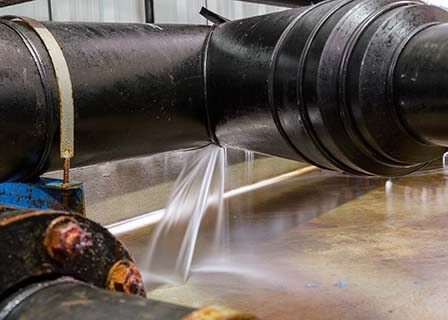
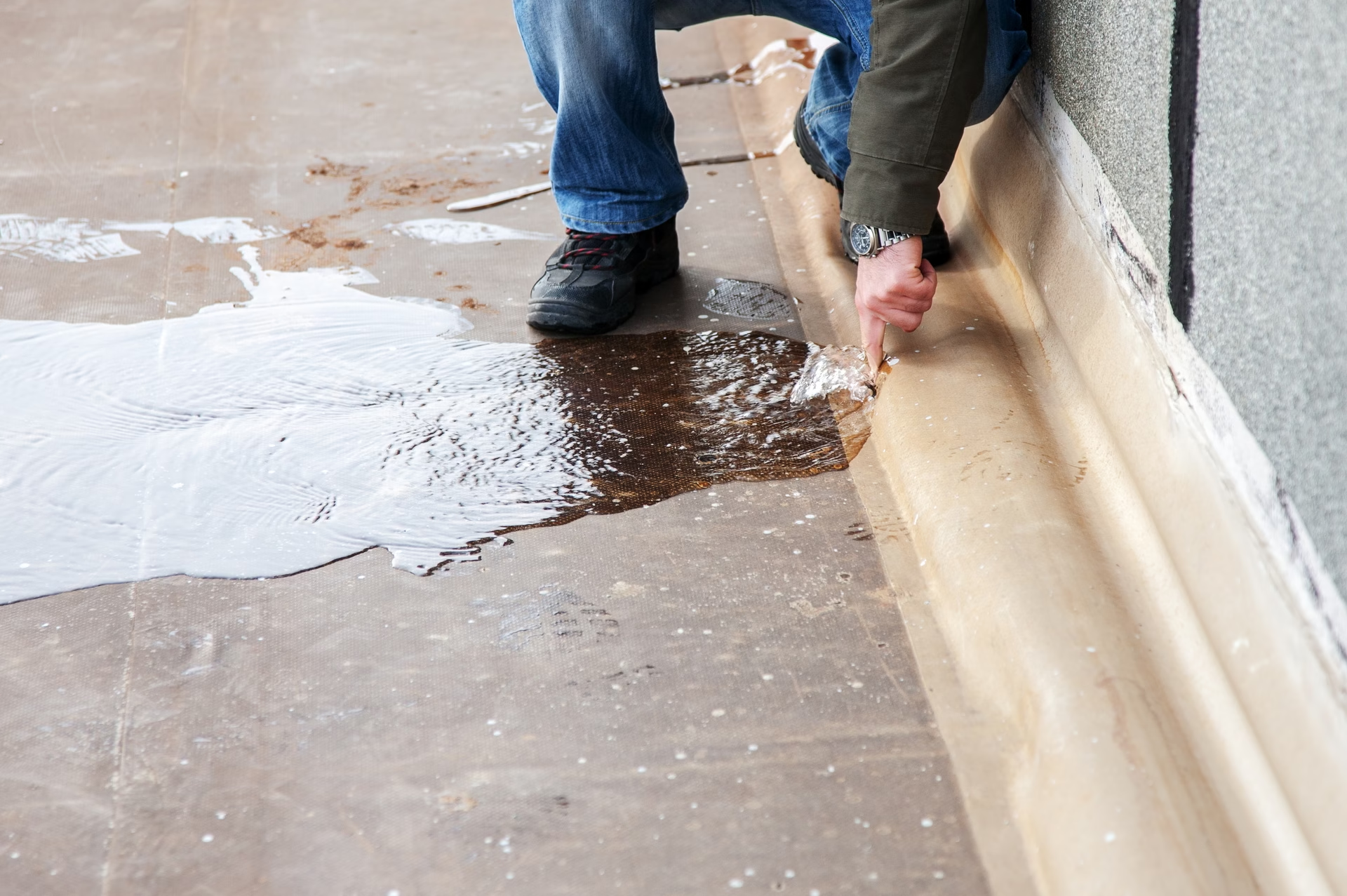
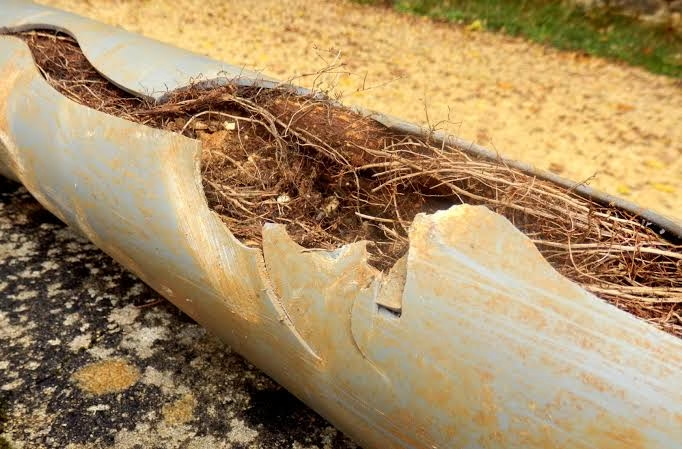
A burst pipe emergency is one of the most damaging situations a homeowner can face. Water pressure builds inside a cracked plumbing pipe until it gives way, sometimes soaking walls and flooring before anyone notices. Pipe corrosion and age are common culprits behind this kind of failure.
If you notice a major water leak, shut off the main water valve first. This single step limits water damage from plumbing far more than anything else you can do while waiting for a plumber to arrive.
A slab leak is harder to catch since it happens under your foundation. Watch for warm spots on the floor, a spike in your water bill, or the sound of running water when every fixture is off.
Sewer Backup and Drain Backup Situations
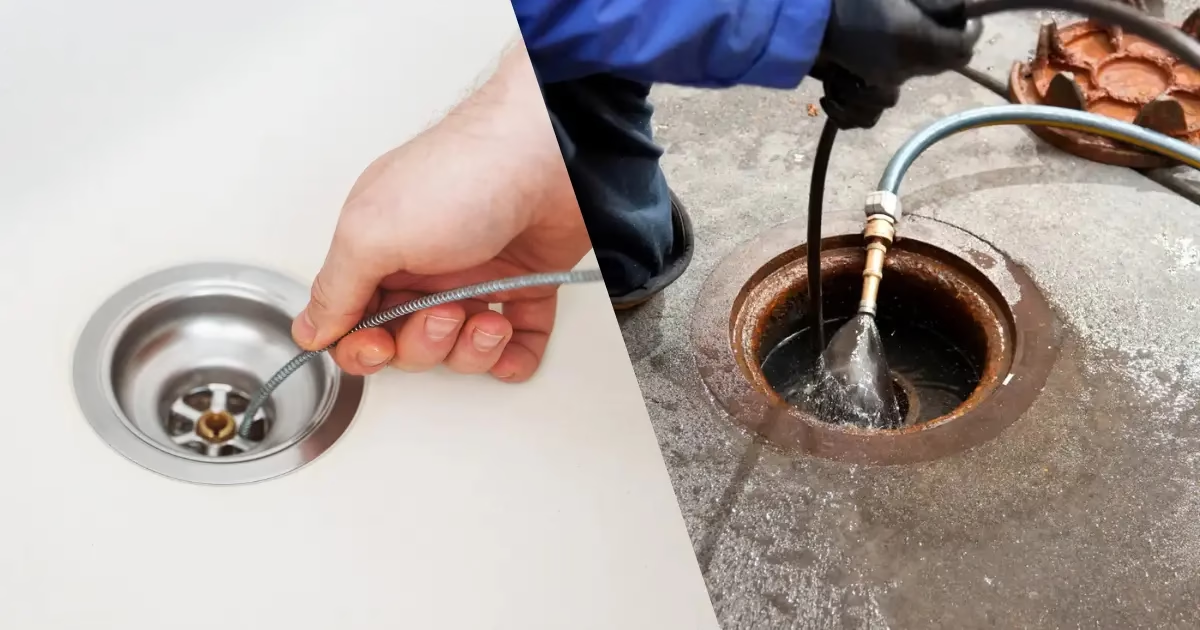
A clogged main sewer line sends wastewater back into your home instead of away from it. This creates a sewage overflow that poses a real health hazard, not just a cleaning headache. Multiple drains backing up at once, especially the lowest drain in your house, points to the main line rather than a single fixture.
Emergency sewer repair should happen fast when you see this pattern. Standing sewage carries bacteria that put your family at risk the longer it sits untreated.
An Overflowing Toilet Isn’t Just a Mess
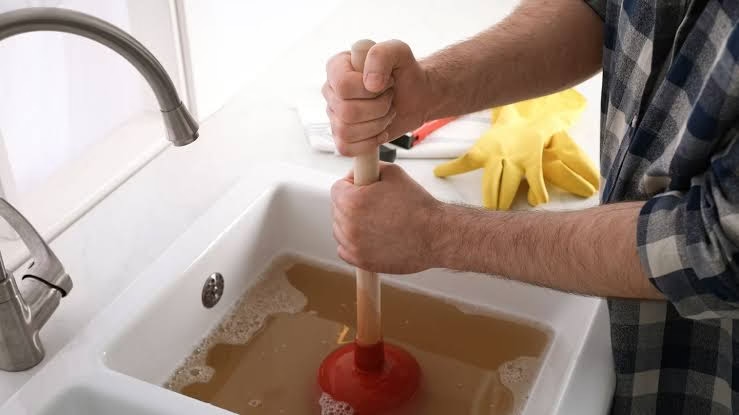
An overflowing toilet often gets treated as a minor annoyance, but repeated overflows can signal a deeper drain backup problem. If plunging doesn’t resolve it and the water keeps rising, shut off the valve behind the toilet and stop using that bathroom.
This is one of the more common plumbing emergencies homeowners face, and it often connects back to the same main sewer line issues mentioned above.
Water Heater Leaking or Failing
A water heater leaking from the tank itself, rather than a loose fitting, usually means the tank has corroded from the inside. This type of leak won’t stop on its own and can flood a utility closet or basement quickly.
Turn off the water supply to the unit and the power or gas source before contacting an emergency plumbing company. Waiting on this one often turns a repair into a full replacement.
Frozen Pipes in Winter
Frozen pipes expand and can crack from the inside, and you may not notice damage until the ice thaws and water starts pouring out. A dripping pipe that suddenly stops running water altogether during a cold snap is an early warning sign worth acting on.
Keeping a trickle of water running through vulnerable pipes during freezing weather is a simple form of home plumbing maintenance that prevents this exact scenario.
Low Water Pressure That Signals a Bigger Problem
Low water pressure across your entire house, rather than one faucet, often points to a leaking water line somewhere in your system. This is different from a single fixture with mineral buildup and deserves a closer look.
A sudden pressure drop combined with damp spots on walls or ceilings is a strong sign of a hidden leak rather than normal wear.
Gas Leak Near Plumbing Fixtures
Some water heaters and fixtures run on gas lines, and a gas leak from plumbing is a safety emergency, not just a plumbing one. A rotten egg smell near your water heater or gas lines means you should leave the area and call for help immediately, skipping any DIY plumbing safety tips in favor of getting everyone out first.
This is the rare case where the fix isn’t about saving water. It’s about safety first.
What to Do Before Help Arrives
Knowing when to call a plumber starts with a few basic steps you can take yourself. Locate your main shutoff valve now, before an emergency happens, so you’re not searching for it during a flood.
Turn off individual fixture valves when possible to limit water damage from plumbing to a single area. Move furniture and belongings away from standing water, and take photos for insurance purposes once everyone is safe. These steps won’t fix a plumbing system failure, but they reduce the damage while you wait for a plumber.
Call All Star Trade Pros for Fast Emergency Plumbing Help
A burst pipe or sewer backup doesn’t wait for a convenient time, and neither should your response. All Star Trade Pros provides emergency plumbing services throughout the local service area, including emergency pipe repair, emergency drain repair, and residential emergency plumbing for situations exactly like the ones covered above.
Our team handles emergency water leak repair, water heater failures, and urgent plumbing issues with the same priority, day or night. If you’re seeing signs of a plumbing emergency right now, don’t wait until morning to find out how bad it’s gotten.
Call All Star Trade Pros at (512) 686-2622 to schedule emergency plumbing service or speak with a technician today. We serve homeowners across the area with dependable, same-day response when it matters most.