Buying a brand new house feels like a clean slate. No worn out pipes, no outdated fixtures, nothing left behind by a previous owner. But common plumbing problems in new construction homes show up more often than most buyers expect, and they rarely get caught during a final walkthrough.
New construction plumbing issues usually trace back to rushed timelines, subcontractor turnover, or inspections that miss small errors. A pipe joint that looks fine on day one can leak within the first year. This guide walks through what actually goes wrong, why it happens, and what you can do about it as a homeowner.
Why New Construction Homes Still Have Plumbing Issues
People assume new means problem free. In reality, plumbing installation mistakes happen during nearly every build. Multiple crews work on the same house, often on tight deadlines, and plumbing is installed before walls are closed up.
Once drywall goes up, mistakes get hidden. A loose fitting or a poorly sloped drain line won’t show symptoms until water starts moving through the system daily. That’s when residential plumbing issues start surfacing for new homeowners.
Common Plumbing Problems in New Construction Homes
Some issues appear within weeks of moving in. Others take months to become noticeable. Here’s where problems tend to concentrate.
Low Water Pressure and Water Supply Problems
Water pressure issues in new homes often come from undersized pipes, kinked lines, or partially closed shutoff valves. Builders sometimes use pipe diameters that meet minimum code but don’t handle multiple fixtures running at once.
If a shower turns weak the moment someone runs the dishwasher, that’s a sign the water supply lines weren’t sized or routed correctly for the home’s actual usage.
Leaking Pipes and Loose Pipe Connections
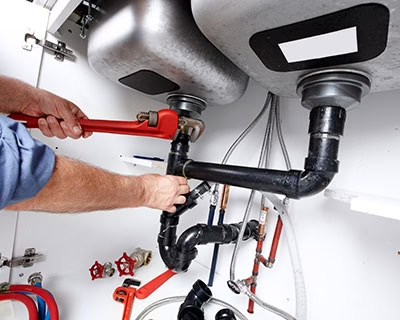
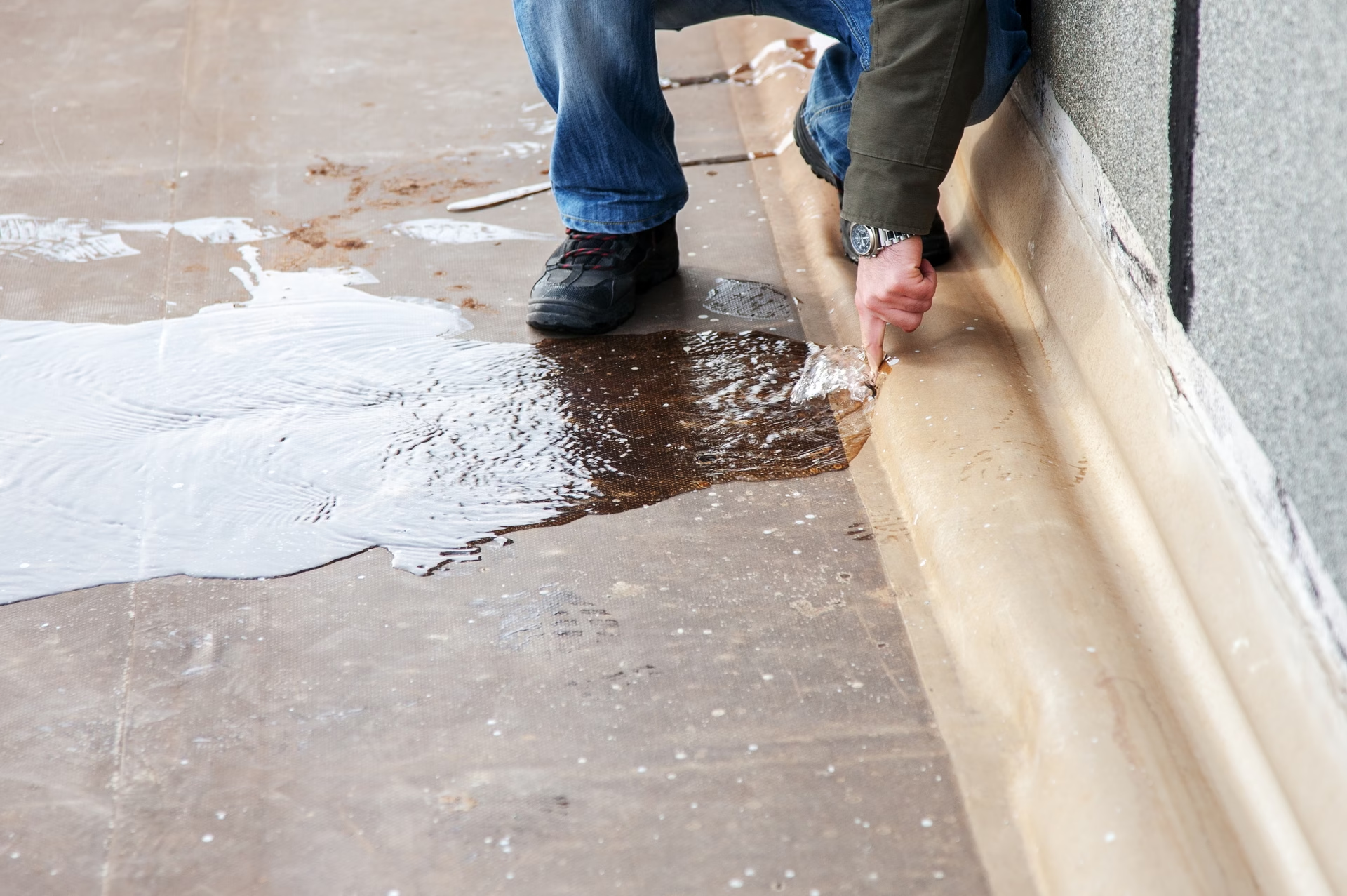
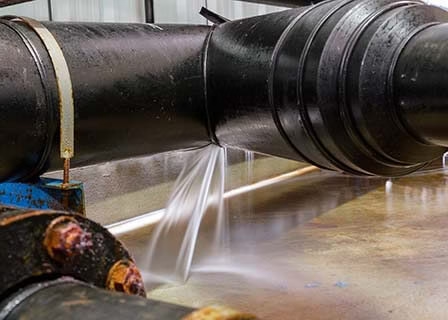
Leaking pipes are one of the most common plumbing problems in new construction homes. PEX piping and PVC drain pipes both rely on proper connections, and a fitting that wasn’t seated correctly can drip slowly for months before anyone notices a stain.
Slab leaks are harder to catch since the pipe sits under the foundation. A rising water bill with no obvious cause is often the first clue.
Clogged Drains and Drain Line Problems
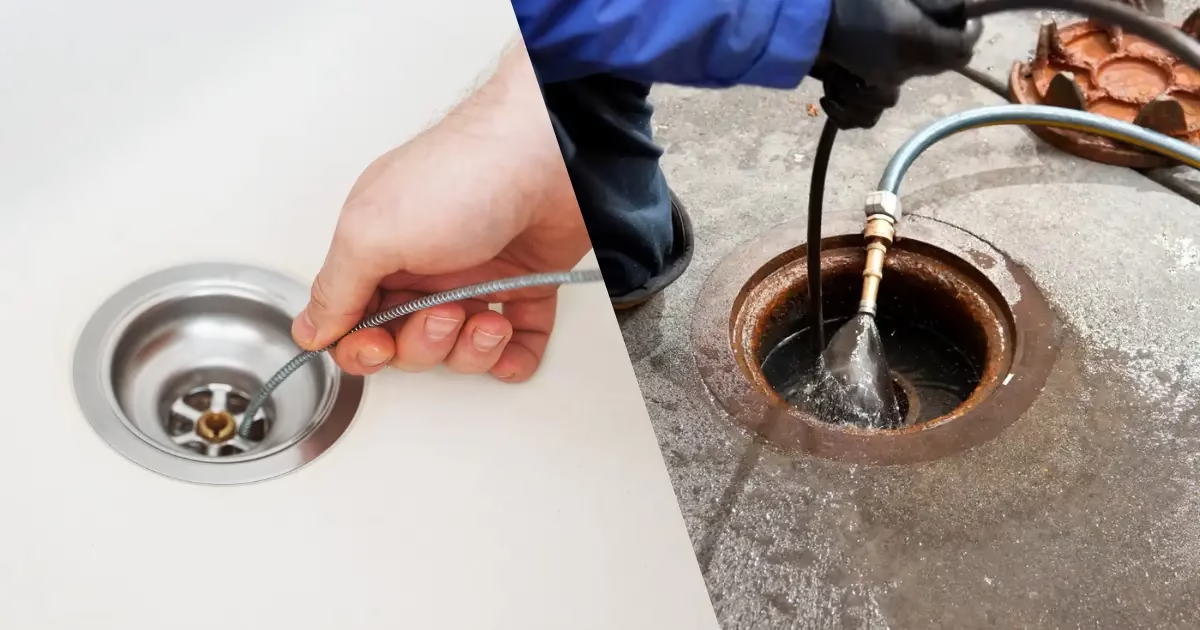
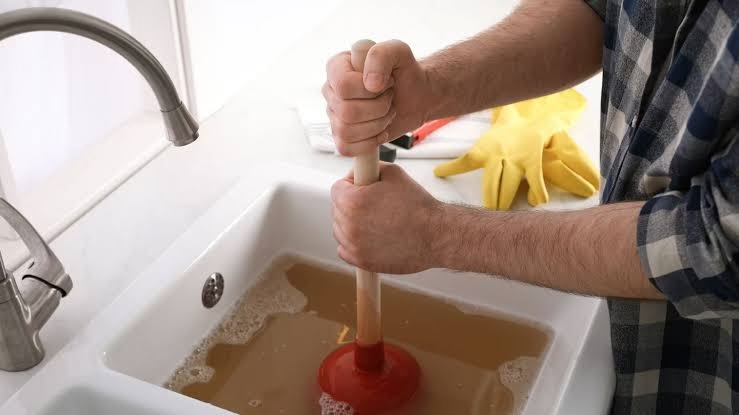
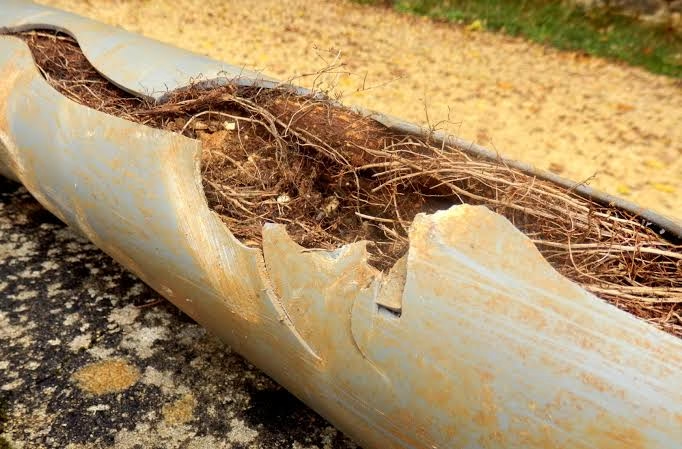
Construction debris, drywall dust, and leftover adhesive can end up inside drain lines before a home is even finished. This creates clogged drains that seem to appear out of nowhere during the first few months of ownership.
Kitchen plumbing and bathroom plumbing drains are especially prone to this, since they see the most daily use right away.
Sewer Line Issues and Sewer Backup
Sewer line issues in new builds usually come down to incorrect slope during installation. Drain lines need a specific pitch to move waste correctly. Get that angle wrong, and a home can experience recurring sewer backup, especially after heavy rain or extended water use.
Plumbing vents that were installed incorrectly can make this worse by disrupting normal drainage flow throughout the system.
Water Heater Installation Errors
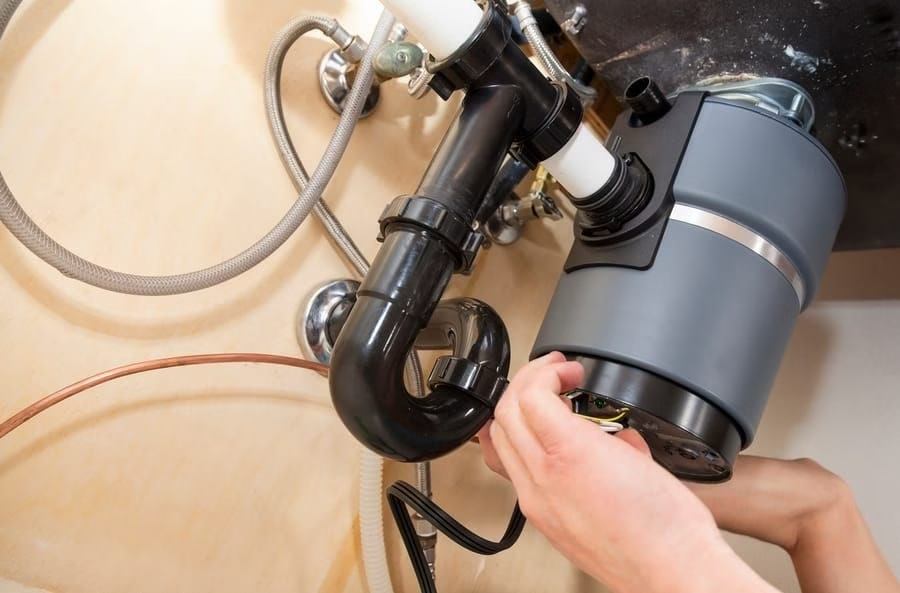
Water heater installation is another spot where fixture installation errors show up. Loose fittings, incorrect venting, or a unit sized too small for the home’s fixture count can all lead to inconsistent hot water.
A tank that runs out of hot water quickly in a larger home is often an installation sizing issue, not a defective unit.
How Poor Plumbing Installation Happens During Construction
Poor plumbing installation isn’t usually about a single bad decision. It’s a combination of factors that build up across a project timeline.
Subcontractors on large developments often move between multiple homes in a single week. Builder plumbing mistakes tend to cluster around whichever homes were rushed to meet a closing deadline. Inspections at this stage check for code minimums, not long term performance, so a technically passing system can still fail early.
Plumbing Code Violations Builders Sometimes Miss
Plumbing code violations aren’t always obvious to an untrained eye. A vent stack placed too close to a window, a trap arm that’s too long, or drain slope that’s slightly off from code all pass a quick glance but cause problems down the line.
Local code varies by region, which is part of why plumbing system problems slip through in areas with high construction demand and fewer available inspectors.
How to Catch New Home Plumbing Defects Early
Most new home plumbing defects are catchable before they turn into repair bills. A few habits make a real difference during the first year of ownership.
Watch your water bill closely for the first three months. A sudden jump without a clear reason often points to a hidden leak. Run every fixture, including guest bathrooms and outdoor spigots, within the first week of moving in.
Note any pooling water near the foundation, especially after rain. Foundation area water can indicate a slab leak or a poorly routed drain line before visible water damage develops.
What to Ask For in a Plumbing Inspection Checklist
A independent plumbing inspection, separate from the builder’s own inspection, gives an unbiased look at the system. Ask the inspector to check water pressure at multiple fixtures, camera-scope the main drain line, and confirm proper venting throughout the house.
This kind of home inspection costs far less than a slab leak repair or a sewer line replacement later on.
Understanding Your Plumbing Warranty
Plumbing warranty issues come up often because homeowners don’t realize what’s actually covered. Most new construction warranties cover plumbing defects for one year, with some structural plumbing components covered longer under a separate structural warranty.
Document every issue in writing and keep photos, even for small leaks. Warranty claims move faster with clear evidence tied to a specific date.
When to Call a Plumbing Contractor
Some plumbing problems after buying a new house fall outside warranty coverage, especially past the first year. A licensed plumbing contractor can diagnose whether an issue stems from original installation or normal wear.
Recurring drain clogs, unexplained pressure drops, or any sign of water where it shouldn’t be are all reasons to get a professional opinion rather than waiting to see if the problem resolves on its own.
Final Thoughts on Protecting Your New Home’s Plumbing System
New construction doesn’t guarantee a flawless plumbing system. Rushed installation schedules and inconsistent inspections mean defects can slip through even in a home that looks perfect on paper.
Staying attentive during the first year, documenting issues as they appear, and scheduling an independent inspection early gives you the best shot at catching problems while they’re still covered under warranty. If something feels off with your water pressure, drains, or water heater, get it looked at before it turns into a bigger repair.