A broken AC during extreme summer heat can quickly turn your home uncomfortable and stressful. Many homeowners panic when the air conditioner stopped cooling unexpectedly, especially during peak temperatures. The good news is that some problems are minor and can be fixed with simple troubleshooting steps before calling a professional technician. This AC outage survival guide explains what to do if AC stops working, how to stay cool without AC, and the best temporary cooling solutions during emergencies. You will also learn important warning signs your system may be failing and practical ways to avoid future breakdowns while keeping your home comfortable all summer long.
Check the Basic Problems First
When your AC not working in summer becomes a sudden problem, start by checking the most common issues before assuming major damage. Sometimes the thermostat settings are incorrect, the breaker has tripped, or the air filter is blocked with dust. These small problems often stop airflow and cooling performance. Inspect the thermostat temperature, confirm the unit is set to “cool,” and replace dirty filters if necessary. Basic AC troubleshooting steps can restore cooling quickly and help you avoid unnecessary repair expenses during an emergency situation.
Check the Thermostat Settings
The thermostat is often the first reason an air conditioner stopped cooling unexpectedly. Make sure the system is switched to cooling mode and the temperature setting is lower than the room temperature. Weak batteries can also prevent modern thermostats from communicating correctly with the AC system. Smart thermostats may disconnect after power outages or electrical interruptions. Double-check every setting carefully before moving to more advanced troubleshooting. Many homeowners solve AC fan running but not cooling issues simply by correcting thermostat settings or replacing batteries.
Inspect the Circuit Breaker and Power Supply
Power supply problems commonly cause sudden AC shutdowns during hot weather conditions. Locate your home’s electrical panel and check if the HVAC breaker has tripped. Reset the breaker once and wait several minutes to see whether the cooling system restarts normally. Avoid repeated resets because constant breaker trips may indicate electrical damage or compressor failure. Also inspect outdoor disconnect switches near the condenser unit. Simple power-related AC troubleshooting steps often solve cooling failures without needing immediate professional repair assistance or emergency HVAC services.
Emergency AC Tips to Stay Cool Fast
During an AC outage, keeping your body cool becomes the top priority, especially during extreme summer temperatures. Close curtains and blinds to reduce sunlight entering the home and avoid using ovens or heat-producing appliances. Fans improve airflow and help circulate cooler air through living spaces. Drinking cold water regularly also helps prevent dehydration and heat exhaustion. These emergency AC tips are useful when your broken air conditioner solutions require time. Staying cool safely protects your health while waiting for repairs or temporary cooling equipment to arrive.
Use Fans and Block Indoor Heat
Fans work more effectively when combined with proper heat reduction techniques throughout the home. Keep blinds closed during daylight hours and place fans near windows during cooler evening temperatures for better airflow circulation. Ceiling fans should rotate counterclockwise during summer to push cooler air downward into living spaces. Avoid activities that generate heat indoors, including cooking large meals or using dryers frequently. These temporary cooling solutions can lower indoor discomfort significantly while your AC system remains unavailable or under professional inspection and repair.
Stay Hydrated During an AC Emergency
Hydration is extremely important when indoor temperatures rise because of a broken cooling system. Drink water consistently throughout the day even if you do not feel thirsty. Wear lightweight clothing and avoid unnecessary physical activity inside the house. Cold towels around the neck and cool showers also help regulate body temperature effectively. Families with children, elderly adults, or pets should monitor signs of overheating carefully. Learning how to stay cool without AC helps reduce health risks and improves comfort levels during extended summer power or cooling outages.
DIY AC Troubleshooting Guide Before Calling a Technician
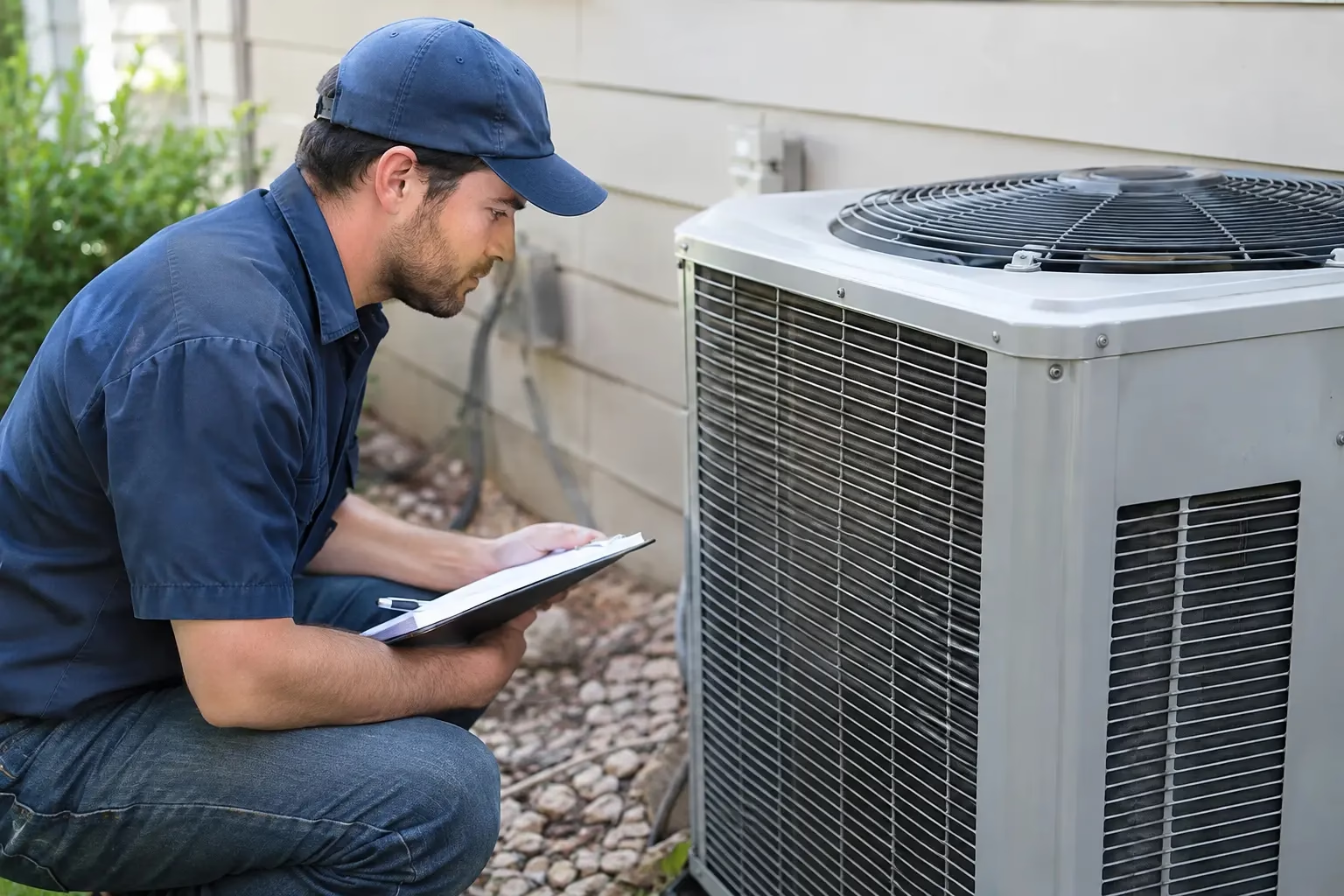
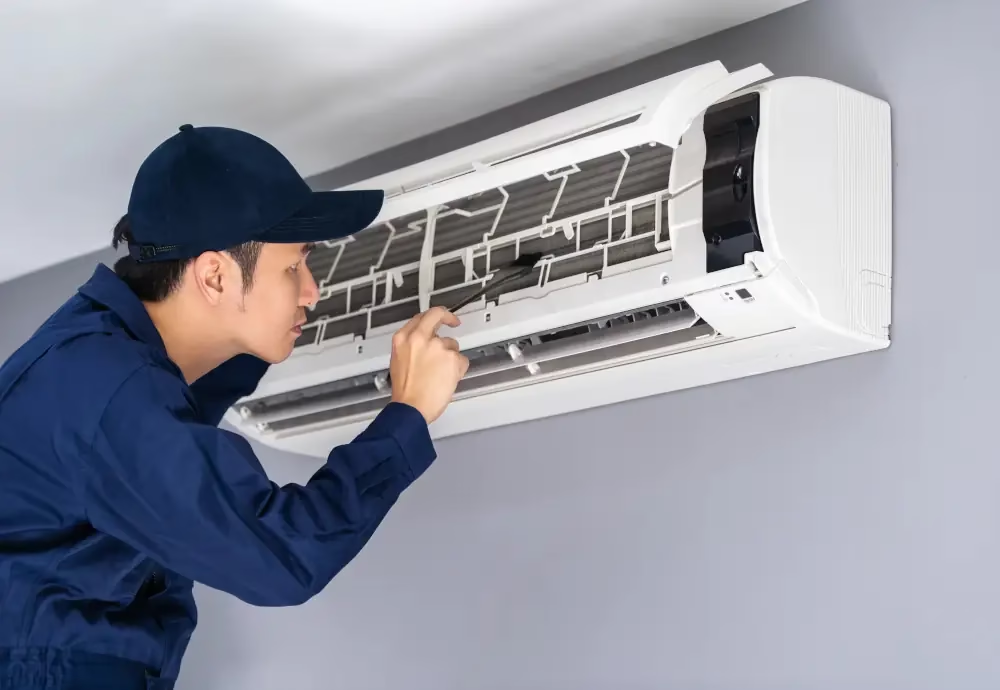
Many homeowners can perform safe inspections before scheduling expensive HVAC service appointments. Start by checking airflow around vents and ensuring furniture is not blocking circulation. Examine the outdoor condenser unit for dirt, leaves, or debris that may restrict performance. Turn off the system if ice appears on the coils because continued operation can damage internal components. A DIY AC troubleshooting guide helps identify minor problems early while preventing larger mechanical failures. However, avoid handling electrical or refrigerant components without proper training and professional safety equipment available.
Inspect the Outdoor Condenser Unit
The outdoor condenser unit plays a major role in removing heat from your home efficiently. Dirt, leaves, and grass clippings around the system can reduce airflow and force the AC to work harder during hot weather. Clear at least two feet around the unit and gently remove visible debris from the condenser fins. Inspect for unusual sounds, vibrations, or visible ice buildup. Regular outdoor maintenance improves efficiency and supports better cooling performance, especially when your AC not working in summer creates uncomfortable indoor conditions unexpectedly.
Check Air Vents and Airflow Problems
Blocked vents and weak airflow can create uneven cooling throughout the home. Walk through each room and ensure vents remain fully open and unobstructed by furniture, curtains, or rugs. Dirty ductwork may also reduce airflow and increase indoor dust accumulation over time. If certain rooms feel warmer than others, airflow imbalance may be causing cooling inefficiency. These AC troubleshooting steps improve circulation and help identify possible ventilation problems before they become expensive repairs. Proper airflow also reduces stress on the entire HVAC system during peak summer usage.
Signs Your AC Is Failing and Needs Repair
Some warning signs indicate serious mechanical problems that require immediate professional attention. Strange noises, burning smells, water leaks, or constant cycling often signal internal damage within the HVAC system. If the AC fan running but not cooling continues after basic troubleshooting, refrigerant issues or compressor failure may be responsible. Ignoring these symptoms can increase repair costs and shorten system lifespan significantly. Understanding signs your AC is failing allows homeowners to act quickly, protect indoor comfort, and prevent complete system breakdowns during extremely hot weather conditions.
Warm Air Coming From the Vents
Warm airflow is one of the most common indicators of cooling system failure. Refrigerant leaks, frozen coils, or compressor malfunctions may prevent the unit from producing cold air effectively. Check whether airflow feels weak or if certain rooms receive inconsistent cooling throughout the home. Dirty filters can also contribute to reduced cooling efficiency and temperature imbalance. If replacing filters and adjusting thermostat settings does not improve performance, professional inspection is necessary. Persistent warm air problems usually indicate deeper mechanical issues requiring immediate HVAC repair services and maintenance.
Strange Sounds and Burning Smells
Grinding, buzzing, rattling, or screeching sounds often indicate loose or damaged AC components inside the system. Burning smells may signal electrical problems, overheating motors, or wiring damage that could become dangerous if ignored. Turn off the unit immediately if unusual odors or noises appear suddenly during operation. Continuing to run a damaged air conditioner can worsen internal failures and increase repair costs dramatically. These warning signs require professional diagnosis because electrical and mechanical issues should only be handled by trained HVAC technicians with proper safety equipment and experience.
Temporary Cooling Solutions During an AC Outage
When repairs cannot happen immediately, temporary cooling solutions help maintain safer indoor temperatures. Portable fans, window units, cooling towels, and shaded rooms can improve comfort during an emergency. Spending time in lower levels of the house may also reduce heat exposure because warm air rises naturally. Avoid opening windows during extremely hot daytime hours because outdoor heat may increase indoor temperatures quickly. These broken air conditioner solutions provide short-term relief while waiting for repairs and help families remain safer during extended AC outages in severe summer conditions.
Create a Cooler Sleeping Environment
Sleeping becomes difficult when indoor temperatures remain high throughout the night. Use lightweight cotton bedding and keep fans directed toward sleeping areas for improved comfort and airflow. Freeze water bottles or cooling packs and place them near the bed before sleeping. Blackout curtains also help reduce daytime heat buildup inside bedrooms. Limiting electronics and lighting before bedtime prevents additional heat generation indoors. These simple temporary cooling solutions improve sleep quality and help reduce discomfort when your cooling system fails unexpectedly during extreme summer weather conditions.
Use Portable Cooling Devices Safely
Portable cooling devices provide extra comfort during emergency situations but must be used safely. Portable air conditioners should vent properly through windows to avoid indoor heat buildup. Fans should never remain unattended around small children or pets for safety reasons. Cooling towels and misting fans can also help reduce body temperature effectively during extreme heat. Avoid overloading electrical outlets with multiple devices simultaneously because this may create fire hazards. Safe temporary cooling solutions protect household comfort while minimizing risks during unexpected AC failures and prolonged summer outages.
When to Call an HVAC Professional
Some AC issues cannot be solved through basic troubleshooting and require professional repair immediately. Electrical failures, refrigerant leaks, frozen coils, or compressor damage need expert diagnosis and specialized equipment. If your system repeatedly shuts down or produces unusual smells and sounds, contact a licensed HVAC technician quickly. Professional inspections identify hidden mechanical problems before they become severe and expensive. Calling an expert at the right time protects your cooling system investment and helps restore comfort safely during extreme weather conditions and emergency AC situations.
How to Prevent Future AC Problems
Preventive maintenance is the best way to avoid unexpected breakdowns during peak summer temperatures. Replace air filters regularly, schedule seasonal HVAC inspections, and keep the outdoor condenser clean throughout the year. Regular maintenance improves energy efficiency, airflow, and overall cooling performance while extending system lifespan. Homeowners who ignore routine servicing often experience more expensive repairs and emergency failures later. Following a simple maintenance schedule helps reduce stress on the system and ensures reliable cooling performance when outdoor temperatures rise significantly during the hottest months of summer.
Final Thoughts
Knowing what to do when your AC goes out can reduce stress and help protect your family during extreme summer heat. From checking thermostat settings to using temporary cooling solutions, simple actions can improve comfort and prevent larger system problems. This AC outage survival guide also highlights important signs your AC is failing and explains when professional HVAC repair becomes necessary. Regular maintenance, clean filters, and fast troubleshooting help keep your cooling system operating efficiently throughout the summer. If your air conditioner stopped cooling repeatedly, schedule a professional inspection before the issue becomes more serious and expensive.