Introduction
Weak water flow can quickly turn a normal routine into a frustrating experience. Many homeowners deal with this issue and start searching for a reliable low water pressure in shower fix that actually works.
Low pressure is usually linked to a clear cause, not random failure. Once you identify the reason, fixing it becomes much easier. This guide explains the most common causes of low water pressure and shows how to fix them with simple and practical steps.
What Causes Low Water Pressure in Your Home
Low water pressure usually starts from a few common sources inside or outside your plumbing system. It can develop slowly due to buildup or appear suddenly because of leaks or supply issues. Identifying the root cause saves time and prevents unnecessary repairs. Many homes face pressure loss due to blocked fixtures, aging pipes, or inconsistent supply. These problems reduce the flow reaching your taps and showers. Understanding these causes helps you choose the right solution instead of guessing and wasting effort on fixes that do not work.
Water Supply Issues
Water supply issues often come from outside your home and affect multiple houses in the same area. Municipal maintenance, pipeline damage, or peak usage hours can lower the pressure reaching your system. You may notice weaker flow during certain times of the day. If neighbors face the same issue, the problem is likely from the main supply. In such cases, waiting or contacting your supplier is the only practical step.
Sediment Buildup in Pipes
Sediment buildup pipes problems develop slowly as minerals collect inside plumbing lines. Hard water leaves deposits that narrow the pipe interior and restrict flow over time. This reduces water pressure without any visible damage. Older homes face this issue more often due to long-term buildup. Regular cleaning and flushing help reduce deposits, but heavy buildup may require pipe replacement to restore normal flow and prevent further restriction.
Clogged Pipes or Fixtures
Clogged fixtures are one of the most common causes of low pressure inside homes. Showerheads and faucets collect dirt, rust, and mineral deposits that block water flow. This restriction reduces pressure even if the main supply is strong. The problem usually develops slowly, so many people do not notice it until flow becomes very weak. Cleaning these fixtures is often enough to restore normal pressure. This type of issue is easy to fix and does not require advanced tools or professional help in most cases.
Faulty Pressure Regulator
A faulty pressure regulator can affect the entire plumbing system at once. This device controls how much pressure enters your home. When it fails, pressure can drop or fluctuate without warning. You may notice weak flow in all taps, not just one area. This makes it different from clogged fixtures or isolated pipe issues. Replacing the regulator usually restores stable pressure. While some homeowners handle it themselves, others prefer professional help to avoid incorrect installation and further problems.
Hidden Pipe Leaks
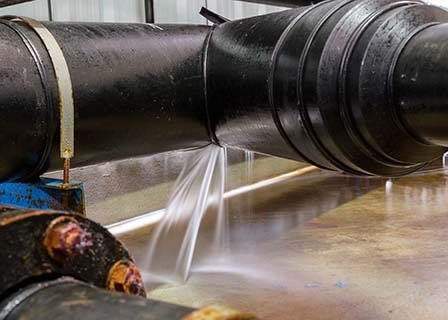
Hidden leaks are a serious reason behind pressure loss. Water escapes through cracks or loose joints before reaching your taps. This reduces the amount of water flowing through your system. Signs include damp walls, musty smells, or a sudden increase in your water bill. Pipe leaks low pressure problems often go unnoticed until damage becomes visible. Early detection helps prevent costly repairs. If leaks are inside walls or underground, professional inspection tools are usually required.
Water Supply Problems
External supply issues can also reduce pressure inside your home. These problems may come from shared pipelines, maintenance work, or uneven distribution in your area. If pressure drops suddenly and affects multiple houses, the issue is likely outside your system. In such cases, internal fixes will not solve the problem. You may need to wait for supply to return to normal or consider installing a booster pump if low pressure continues for a long time.
Sediment Buildup in Plumbing System
Sediment buildup inside the plumbing system reduces water flow over time. Minerals from hard water settle inside pipes and create narrow pathways that restrict movement. This problem develops slowly but leads to noticeable pressure loss. Homes with older pipes are more likely to face this issue. Flushing the system helps remove some buildup, but severe cases may require replacing affected pipes. Installing a water softener can reduce future buildup and maintain steady pressure levels.
DIY Fix for Low Water Pressure
Simple checks can solve many pressure problems without outside help. Start by inspecting fixtures, valves, and visible pipes for blockages or damage. Cleaning showerheads and taps often improves flow immediately. Make sure all valves are fully open and not partially closed. These steps form a practical DIY fix for low water pressure and work in many situations. If the issue continues after basic checks, it may involve deeper plumbing problems that need further inspection or repair.
Prevent Future Water Pressure Problems
Regular maintenance keeps your plumbing system working properly and reduces the risk of pressure loss. Cleaning fixtures and checking pipes helps catch small problems before they grow. Monitoring water flow changes also gives early warning signs. Good maintenance habits prevent common water pressure issues in home systems and extend the life of pipes and fixtures. Ignoring early signs often leads to more serious damage and higher repair costs later.
When to Call a Professional Plumber
Some pressure issues are too complex for simple fixes. If the entire house has low pressure or leaks are hidden, professional help is the better option. Plumbers use proper tools to find the exact cause and fix it correctly. This is important for serious plumbing problems low pressure situations where guesswork can make things worse. Calling a professional at the right time saves effort and prevents further damage to your plumbing system.
Dealing with plumbing problems low pressure that keep coming back? Schedule a trusted plumbing repair service to identify the root cause and fix it properly.
Final Thoughts
Low water pressure usually has a clear cause that can be identified with basic checks. Clogged fixtures, leaks, and regulator issues are among the most common reasons. Taking early action helps restore proper flow and prevents bigger problems.
Start with simple fixes and move step by step. If needed, get expert help. A steady water flow improves daily comfort and keeps your plumbing system working without interruption.