Texas homeowners deal with hard water problems more often than people in many other states. Water in many Texas cities contains high levels of calcium and magnesium. These minerals move through plumbing systems every day and slowly create damage inside pipes, water heaters, faucets, and appliances.
Many homeowners notice white stains on sinks or shower doors but do not realize those marks point to larger plumbing issues caused by hard water. Over time, mineral buildup reduces water flow, raises energy bills, and shortens the life of household appliances. Knowing the signs early helps homeowners avoid expensive repairs and plumbing replacements.
What Is Hard Water?
Hard water contains dissolved minerals, mainly calcium and magnesium. These minerals enter the water supply as groundwater moves through limestone and rock formations. Texas has many areas with mineral rich groundwater, which makes hard water a common issue for homeowners across the state.
Hard water is usually safe to drink, but it creates problems inside residential plumbing systems. Minerals stay behind after water evaporates, which causes scale buildup on fixtures, inside pipes, and around appliances. The buildup becomes thicker over time and affects the performance of plumbing equipment.
Why Texas Homes Often Have Hard Water
Many Texas communities rely on groundwater sources that naturally contain high mineral levels. Cities such as Austin, San Antonio, Dallas, and Houston often report moderate to very hard water conditions. Homeowners in these areas commonly deal with hard water plumbing problems throughout the year.
The hot Texas climate also increases water use. Families run dishwashers, washing machines, water heaters, and irrigation systems daily. Constant water use allows mineral deposits to collect faster inside plumbing lines and appliances.
Hard water damage becomes more noticeable in older homes because aging pipes already have wear inside the plumbing system. Mineral buildup adds more stress to those pipes and can reduce water pressure throughout the house.
Signs of Hard Water in Home Plumbing
Homeowners usually notice hard water signs in kitchens, bathrooms, and laundry rooms first. The symptoms often start small but become more serious if the problem continues.
Mineral Stains on Fixtures
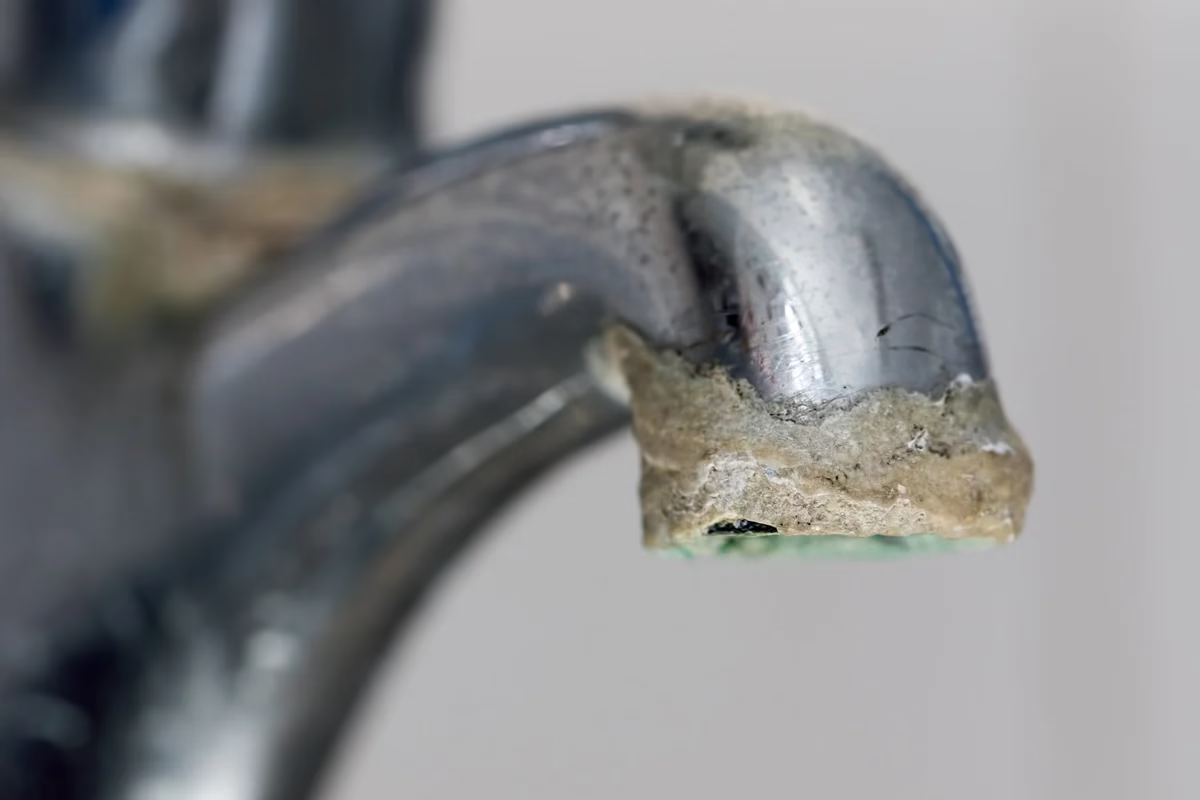
White chalky stains around faucets, showerheads, and drains are common signs of hard water in home plumbing. These stains form after mineral rich water dries on surfaces. Glass shower doors and stainless steel sinks often collect heavy mineral spots that become difficult to clean.
Low Water Pressure
Hard water in pipes slowly narrows the inside of plumbing lines. Mineral scale sticks to pipe walls and blocks normal water flow. Many homeowners notice weak shower pressure or slower sink drainage after years of mineral buildup.
Soap Scum and Dry Skin
Hard water makes soap less effective. Soap mixes with calcium and magnesium instead of dissolving fully in water. This leaves soap scum on bathtubs, dishes, and sinks. Many people also notice dry skin and rough feeling hair after showering in hard water.
Hard Water Plumbing Problems in Texas Homes
Hard water damage affects nearly every part of a home’s plumbing system. The problems usually develop slowly, which makes them easy to ignore during the early stages.
Scale Buildup Inside Pipes
Mineral deposits collect inside copper pipes, PVC lines, and galvanized steel plumbing. Thick scale buildup reduces water flow and places extra pressure on plumbing fixtures. In severe cases, homeowners may need pipe replacement because hard water has clogged large sections of the plumbing system.
Older homes in Texas often face this issue because years of mineral exposure create heavy buildup inside aging pipes.
Water Heater Damage
Water heaters suffer some of the worst hard water damage in Texas homes. Minerals settle at the bottom of the tank every time the heater warms the water. This sediment layer forces the heating system to work harder and use more energy.
Homeowners may hear popping or rumbling sounds from the tank as sediment hardens inside the heater. Hard water can also shorten the lifespan of tankless water heaters because mineral scale blocks internal heating components.
Faucet and Showerhead Issues
Mineral buildup blocks small openings inside faucets and showerheads. Water flow becomes uneven, and fixtures may start spraying in different directions. Chrome finishes also lose their shine because mineral deposits stay on the surface for long periods.
Hard Water Damage to Appliances
Hard water damage to appliances increases maintenance costs for many Texas homeowners. Dishwashers, washing machines, coffee makers, and refrigerators all work harder when minerals move through the system daily.
Dishwashers often leave cloudy spots on dishes and glassware. Washing machines may produce stiff clothing because detergent does not dissolve properly in hard water. Ice makers and coffee machines also collect mineral scale that affects performance and taste.
Water heaters usually experience the highest repair costs related to hard water damage. Sediment buildup lowers efficiency and increases monthly utility bills because the heater needs more energy to warm the water.
Many appliance manufacturers warn homeowners that hard water can reduce appliance lifespan if they do not use proper water treatment systems.
Hard Water Treatment Options
Texas homeowners use several methods to reduce hard water plumbing problems and protect appliances from mineral damage.
Water softeners remain one of the most common solutions. These systems remove calcium and magnesium before the water enters the plumbing system. A whole house water softener helps protect pipes, fixtures, dishwashers, and water heaters from mineral buildup.
Some homeowners install water conditioners instead of softeners. These systems help reduce scale formation without fully removing minerals from the water supply.
Regular plumbing maintenance also helps reduce hard water damage. Plumbers often recommend flushing water heaters once or twice a year to remove sediment buildup from the tank.
Professional water testing gives homeowners a clear understanding of mineral levels in their local water supply. A licensed plumber can recommend the right treatment system based on water hardness and household water usage.
When Homeowners Should Call a Plumber
Some hard water problems need professional attention before they create major plumbing damage. Homeowners should contact a plumber if they notice ongoing low water pressure, recurring appliance issues, heavy mineral stains, or unusual sounds coming from the water heater.
A plumbing inspection can identify hard water buildup inside pipes before the damage becomes severe. Early treatment usually costs much less than replacing pipes, appliances, or water heaters damaged by years of mineral exposure.
FAQs About Hard Water in Texas
Can hard water damage pipes?
Yes. Hard water in pipes creates mineral scale that reduces water flow and increases pressure inside plumbing systems. Severe buildup may eventually require pipe replacement.
Does hard water damage appliances?
Yes. Hard water damage to appliances affects dishwashers, washing machines, water heaters, refrigerators, and coffee makers. Mineral deposits lower efficiency and shorten appliance lifespan.
What are the common signs of hard water in a home?
White stains on fixtures, low water pressure, soap scum, cloudy dishes, and dry skin are common signs of hard water in home plumbing.
What is the best hard water treatment option?
Many Texas homeowners install whole house water softeners because they protect plumbing systems and appliances throughout the home.
Final Thoughts
Hard water causes serious plumbing and appliance problems in many Texas homes. Mineral buildup inside pipes, water heaters, faucets, and appliances slowly reduces performance and increases repair costs. Homeowners who recognize the signs early can protect their plumbing systems and extend the lifespan of household equipment.
Professional water testing and proper treatment systems help reduce hard water damage and improve overall water quality. Taking action early keeps plumbing systems running smoothly and helps homeowners avoid costly repairs later.