Summer in Texas hits hard. Temperatures push well past 100 degrees, the ground dries out fast, and your household water demand quietly doubles without you realizing it. Then the bill arrives. Most homeowners assume it is normal, pay it, and move on. But a spike that large almost always has a fixable cause sitting somewhere inside your plumbing system or your daily habits.
The Real Reason Your Water Usage Goes Up in Hot Weather
Summer does not just make you thirstier. It changes almost every water-related habit in your home at the same time. You water the lawn more, the kids are home all day, the pool loses water to evaporation faster, and outdoor showers and car washing add up. Each of those on its own is manageable. All of them hitting simultaneously is what sends your meter reading through the roof.
Outdoor Irrigation Is Usually the Biggest Driver
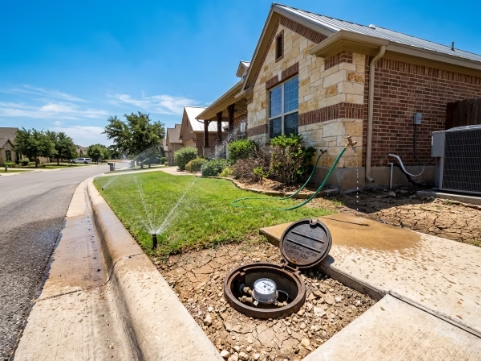
A standard sprinkler system running for 30 minutes covers roughly 300 square feet and uses around 60 gallons. Most Liberty Hill yards need that cycle two or three times per week during peak summer heat. If your irrigation controller is still set to a spring schedule, you are almost certainly overwatering, and a lot of that water is evaporating before it even reaches the roots.
High Temperatures Accelerate Evaporation Losses
Hot pavement, dry soil, and direct sunlight pull moisture out of the ground faster than most people account for. This creates a cycle where you feel like you are watering enough, but the yard still looks dry, so you water more. Soil that is properly amended and mulched retains moisture far longer, which means your irrigation system does not have to work as hard to keep up.
Hidden Plumbing Problems That Get Worse in Summer
Heat puts stress on your entire plumbing system. Pipes expand, pressure shifts, and small leaks that were slow during cooler months tend to get worse. A leak you cannot see can waste anywhere from 3,000 to 90,000 gallons per month depending on severity. That is not a typo.
A Running Toilet Wastes More Water Than Most Homeowners Realize
The flapper valve inside a toilet tank is a simple rubber component that degrades over time. When it does not seat properly, water trickles continuously from the tank into the bowl. A running toilet can waste between 200 and 7,000 gallons per day. You can confirm it by placing a few drops of food dye in the tank and checking the bowl after 15 minutes without flushing.
Dripping Faucets and Outdoor Hose Bibs Add Up Quickly
One drip per second from a faucet wastes over 3,000 gallons per year. Outdoor hose bibs are especially prone to failure after the expansion and contraction cycles of Texas winters and summers. Check every outdoor connection point at the start of summer, including the connections behind your washing machine and under any exterior spigots.
Slab Leaks Are a Serious Concern in Central Texas
The clay-rich soil in Williamson County shifts significantly between wet and dry seasons. That movement puts stress on the copper or PVC pipes running beneath your foundation. A slab leak is often invisible until the damage is already significant. Signs include unexplained warm spots on your floor, the sound of running water when nothing is on, or a meter that keeps moving even after you shut off every fixture in the house.
How to Read Your Water Meter to Catch Leaks Fast
Your water meter is one of the most useful diagnostic tools you have, and it costs nothing to check. Turn off every water source in your home, including the ice maker and irrigation system. Go to your meter and look at the low-flow indicator, which is usually a small triangle or dial. If it is moving, water is flowing somewhere it should not be.
The Two-Hour Meter Test
Take a reading, wait two hours without using any water, and take another reading. If the numbers changed, you have a leak somewhere in your system. This simple test can save you hundreds of dollars in wasted water and can help your plumber zero in on the problem faster, which also saves on labor costs.
Smart Irrigation Practices That Actually Reduce Your Bill
Switching to a smart irrigation controller is one of the highest-return upgrades a Liberty Hill homeowner can make. These controllers connect to local weather data and adjust your watering schedule automatically based on rainfall, temperature, and soil moisture levels. They can reduce outdoor water use by 30 to 50 percent compared to a standard timer-based system.
Water at the Right Time of Day
Watering between 4 AM and 8 AM gives your lawn the best absorption rate. The sun is not yet strong enough to cause rapid evaporation, and the grass has time to dry before nightfall, which reduces the risk of fungal growth. Watering in the middle of the afternoon in Texas heat means a significant portion of what you put down never reaches the roots at all.
Drip Irrigation for Garden Beds and Landscaping
Drip systems deliver water directly to the root zone at a slow, consistent rate. They use up to 50 percent less water than traditional sprinklers and are particularly effective for the flower beds, vegetable gardens, and foundation plantings common in Central Texas yards. A licensed plumber can integrate a drip zone into your existing irrigation system without replacing the whole setup.
HVAC Condensate Drain Lines and Water Usage
This one surprises most homeowners. Your air conditioning system pulls humidity out of the air and drains it away through a condensate line. In a Texas summer, a central AC unit running most of the day can produce two to five gallons of condensate per hour. That water typically drains outside or into your plumbing system.
When a Clogged Condensate Line Causes Damage
If the condensate drain line clogs with algae or debris, the water backs up into the unit and can overflow into your ceiling or walls. Some systems have a safety float switch that shuts the unit down. Others do not, and the overflow causes significant structural damage before anyone notices. Flushing the condensate line at the start of summer prevents most clogs.
Water Heater Performance in Summer Heat
Your water heater works year-round, but summer changes the math slightly. Groundwater temperature in Texas is warmer in summer, which means your water heater does not have to work as hard to reach your set temperature. If your water heater is older or not functioning efficiently, it may also be contributing to inconsistent pressure, which can mask slow leaks elsewhere in the system.
The Impact of Sediment Buildup on Water Usage
Sediment accumulates at the bottom of tank-style water heaters over time. It reduces efficiency, forces the heater to run longer, and can cause popping or rumbling sounds during heating cycles. Flushing your water heater annually clears that buildup and extends the life of the unit significantly.
Practical Steps to Take Right Now in Liberty Hill
If your summer water bill was higher than expected, start with the basics. Check every toilet for the dye test, inspect all outdoor hose bibs and irrigation connections, and run the two-hour meter test. If you find something that concerns you, or if you cannot locate the source of the usage increase, call a licensed plumber who knows the local infrastructure.
When to Call a Professional Plumber
Some leaks are simple enough to fix yourself. Others, like slab leaks, underslab pipe corrosion, or irrigation system failures, require professional diagnosis and repair. Catching these early saves you far more than the cost of a service call. If your bill spiked by more than 20 percent without a clear explanation, it is worth having a plumber assess your system before the next billing cycle.
Protecting Your Home Through Every Season
Summer water bills do not have to be a mystery. The causes are almost always traceable, and the fixes range from free habit changes to affordable plumbing repairs. Liberty Hill homeowners who stay on top of irrigation scheduling, run periodic leak checks, and address small plumbing issues before they grow tend to see consistent, predictable water costs all year long. Your plumbing system is working hard in this heat. Giving it a little attention now prevents much bigger problems later.