Most homeowners pay attention to rising utility bills, but many overlook the thermostat sitting on the wall. A thermostat controls when your heating and cooling system turns on and off. If it runs at the wrong times, your HVAC system works harder than necessary and uses more energy every month.
Smart thermostat benefits have become a major topic for homeowners who want better control over energy use without sacrificing comfort. These devices adjust temperatures automatically, respond to daily routines, and help reduce wasted heating and cooling. This guide explains how smart thermostats work and why many homeowners choose them for better energy management.
How an Outdated Thermostat Wastes Energy
Traditional thermostats depend on manual settings. Many homeowners set one temperature and leave it there throughout the day. That may seem convenient, but it can increase energy use when nobody is home.
Heating or cooling an empty house wastes money. Small temperature changes during work hours, overnight hours, or vacations can make a noticeable difference over time. Older thermostats also lack features that help homeowners understand their energy habits.
Another common issue comes from constant adjustments. Some homeowners raise or lower temperatures several times a day trying to stay comfortable. This often creates uneven indoor temperatures and unnecessary HVAC cycles.
What a Smart Thermostat Actually Does
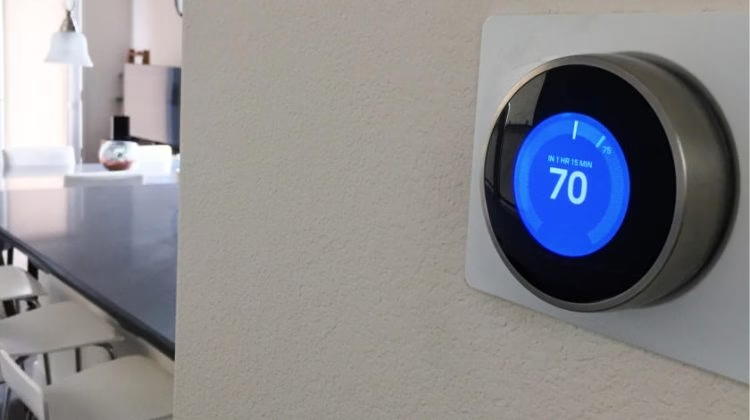
A smart thermostat connects to your home’s Wi-Fi system and gives you more control over indoor temperatures. Unlike standard thermostats, these systems can react to schedules, daily patterns, and changing weather conditions.
Automatic Temperature Adjustments
One of the most useful smart thermostat benefits is automatic scheduling. The thermostat can lower heating or cooling when the house is empty and return to a comfortable setting before people come home. This process reduces unnecessary HVAC operation without requiring constant manual changes.
Remote Access From Your Phone
Many homeowners forget to adjust the thermostat before leaving home. A smart home thermostat solves that problem by allowing remote access through a mobile app.
If plans change during the day, temperatures can be adjusted from almost anywhere. This feature helps prevent wasted energy and keeps indoor comfort under control.
Energy Usage Tracking
Some smart thermostats provide reports that show how often your heating and cooling system runs. These reports can help homeowners understand which settings increase energy use. Tracking patterns can also help identify habits that may raise monthly utility bills.
Smart Thermostat Benefits for Homeowners
A smart thermostat does more than change temperatures automatically. It helps homeowners improve comfort, manage HVAC performance, and reduce avoidable energy waste.
Reduced Heating and Cooling Costs
One of the biggest smart thermostat benefits is better energy efficiency. The system avoids running at full capacity when the home does not need constant heating or cooling.
Over time, these adjustments may help lower monthly utility expenses. Savings often depend on climate conditions, insulation quality, and household routines.
More Consistent Indoor Comfort
Traditional thermostats often create temperature swings throughout the day. Some rooms feel too warm while others stay too cold.
Smart thermostats make smaller adjustments throughout the day to maintain steadier indoor temperatures. That creates a more balanced and comfortable living environment.
Better HVAC Efficiency
Frequent HVAC cycling can place extra strain on heating and cooling equipment. Smart thermostats help reduce unnecessary operation by managing temperature settings more efficiently.
Some systems also send reminders for filter changes or maintenance checks. Proper airflow and routine maintenance help HVAC systems perform more effectively over time.
Homeowners who work with professionals like All-Star Trade Pros Plumbing & AC often combine thermostat upgrades with regular HVAC inspections for better long-term system performance.
Programmable Thermostat vs Smart Thermostat
Many homeowners compare programmable thermostats and smart thermostats before upgrading.
A programmable thermostat follows a fixed schedule that the homeowner creates manually. It works well for households with predictable daily routines.
A smart thermostat adds automation and flexible control. It can adapt to schedule changes, allow remote access, and provide energy tracking features. For busy households with changing routines, smart systems often provide greater convenience.
The right option depends on how often your schedule changes and how much control you want over your home’s energy use.
Signs It May Be Time for an Upgrade
Some homeowners continue using outdated thermostats without realizing how much energy they waste. A thermostat upgrade may help if you notice rising utility bills, uneven indoor temperatures, or constant HVAC cycling.
Older thermostats may also struggle to maintain accurate temperature readings. If your system frequently runs longer than expected, the thermostat could be part of the problem.
A modern energy-efficient thermostat gives homeowners more control over comfort and system performance while reducing unnecessary operation.
Final Thoughts
Smart thermostat benefits can make a noticeable difference in comfort, convenience, and energy management. These systems help homeowners reduce wasted heating and cooling while keeping indoor temperatures more consistent throughout the day.
A thermostat upgrade will not solve every HVAC problem, but it can improve how efficiently your system operates. Homeowners looking for practical energy-saving improvements often start with better temperature control and regular HVAC maintenance from trusted professionals like All-Star Trade Pros Plumbing & AC.