Your air conditioner should run quietly in the background – so when it starts making strange sounds, something is wrong. A noisy air conditioner is one of the most common signs of a developing problem, and ignoring it usually means a bigger (and more expensive) repair down the road.
This guide covers every major AC noise you’re likely to hear – buzzing, rattling, clicking, squealing, banging, grinding, and humming – what each one means, and what to do about it. By the end, you’ll know exactly whether this is a DIY fix or a job for a licensed HVAC technician.
What Does a Healthy AC Sound Like?
A properly functioning air conditioner produces a low, consistent hum when the compressor and fan are running, and a soft click when the system turns on and off. That’s it.
Any sound that’s new, louder than normal, or rhythmic – like tapping or squealing – is a red flag. The faster you identify and address AC making strange noises, the lower your repair costs will tend to be.
AC Making Buzzing Noise
A buzzing sound from your air conditioner is one of the more common complaints – and it has several possible causes.
Loose Electrical Components
Loose wiring, a failing contactor, or a malfunctioning capacitor can all produce a buzzing sound, particularly from the outdoor unit. If your outside AC unit is making noise that sounds like an electrical buzz, cut power to the unit and call a technician. Electrical issues are not safe to troubleshoot without training.
Frozen Evaporator Coils
When refrigerant levels are low or airflow is restricted, the evaporator coil can freeze over. A buzzing or hissing sound paired with reduced cooling is a strong indicator of this problem. Checking and replacing a clogged air filter is a good first step – if the noise continues after that, you’re likely looking at a refrigerant issue.
What to do: Check the air filter first. If clean and the buzzing continues, schedule an HVAC inspection.
AC Making Rattling Noise
Rattling is usually a mechanical issue – something is loose inside or around the unit.
Loose Screws, Panels, or Debris
Leaves, twigs, and small debris can enter the outdoor unit and cause rattling against the fan blades. Loose access panels and screws are also common culprits. Turn off the unit, remove any visible debris, and tighten any loose screws on the casing.
Failing Condenser Fan
A damaged or unbalanced condenser fan blade can create a rattling or clanking sound. If tightening panels and clearing debris doesn’t stop the noise, the fan blade itself may need replacement.
What to do: Clear debris and tighten panels first. Persistent rattling means a professional should inspect the fan and internal components.
AC Making Clicking Noise
Normal Startup vs. Constant Clicking
A single click when your AC turns on and off is completely normal – that’s the relay switch doing its job. The problem is when the clicking is constant or happens while the system is running.
Faulty Thermostat or Relay Switch
Repeated clicking during operation usually points to a failing thermostat, a stuck relay, or a defective control board. This type of clicking rarely goes away on its own and tends to get worse over time.
What to do: If clicking is continuous, don’t delay. A faulty relay can cause the compressor to cycle rapidly, shortening its lifespan significantly.
AC Making Squealing Noise
A high-pitched squeal is hard to ignore – and it shouldn’t be.
Worn Belt or Blower Motor Issues
Older AC systems use belt-driven blower motors. When the belt wears out or slips, it produces a squealing or screeching sound similar to a worn car belt. Newer systems with direct-drive motors can also squeal when the motor bearings start to fail.
If your indoor AC unit is making a squealing noise during operation, the blower motor is the most likely cause.
What to do: This is not a DIY fix. A worn belt or failing motor needs a technician. Running the system while squealing risks burning out the motor entirely.
AC Making Banging Noise
A banging or knocking sound is one of the more serious AC noises.
Loose or Broken Internal Parts
A banging sound often means a connecting rod, piston pin, or crankshaft inside the compressor has come loose or broken. It can also mean a blower fan blade has become unbalanced or is hitting something inside the unit.
Failing Compressor
If the compressor is the source of the banging, the repair cost is often high enough that replacing the unit becomes the more practical option, especially in older systems. A loud banging that starts suddenly should be treated as urgent.
What to do: Turn off the system immediately. Continuing to run it risks cascading damage. Call an HVAC technician the same day.
AC Making Grinding Noise
Grinding sounds from an air conditioner almost always involve motor bearings.
Motor Bearing Problems
Both the blower motor (indoor unit) and the condenser fan motor (outdoor unit) have bearings that wear down over time. When they begin to fail, they produce a grinding or metal-on-metal sound. Left unaddressed, the motor will eventually seize.
What to do: Turn the system off. Grinding means the motor is actively being damaged while running. Bearing replacement is far cheaper than full motor replacement – but only if you act quickly.
AC Making Humming Noise
A low hum is normal. A louder, persistent hum that’s new is not.
Electrical Issues and Loose Parts
A humming air conditioner often points to a problem with the capacitor, contactor relay, or loose wiring. Voltage issues – too high or too low – can also cause motors to hum louder than normal. In some cases, loose refrigerant piping that vibrates against the unit creates a humming sound.
What to do: Check that the unit isn’t vibrating against a loose panel or nearby structure. If the hum is coming from inside the unit itself, have an electrician or HVAC tech inspect the electrical components.
Outside AC Unit Making Noise vs. Indoor Unit
Not all AC noises come from the same place – and location matters for diagnosis.
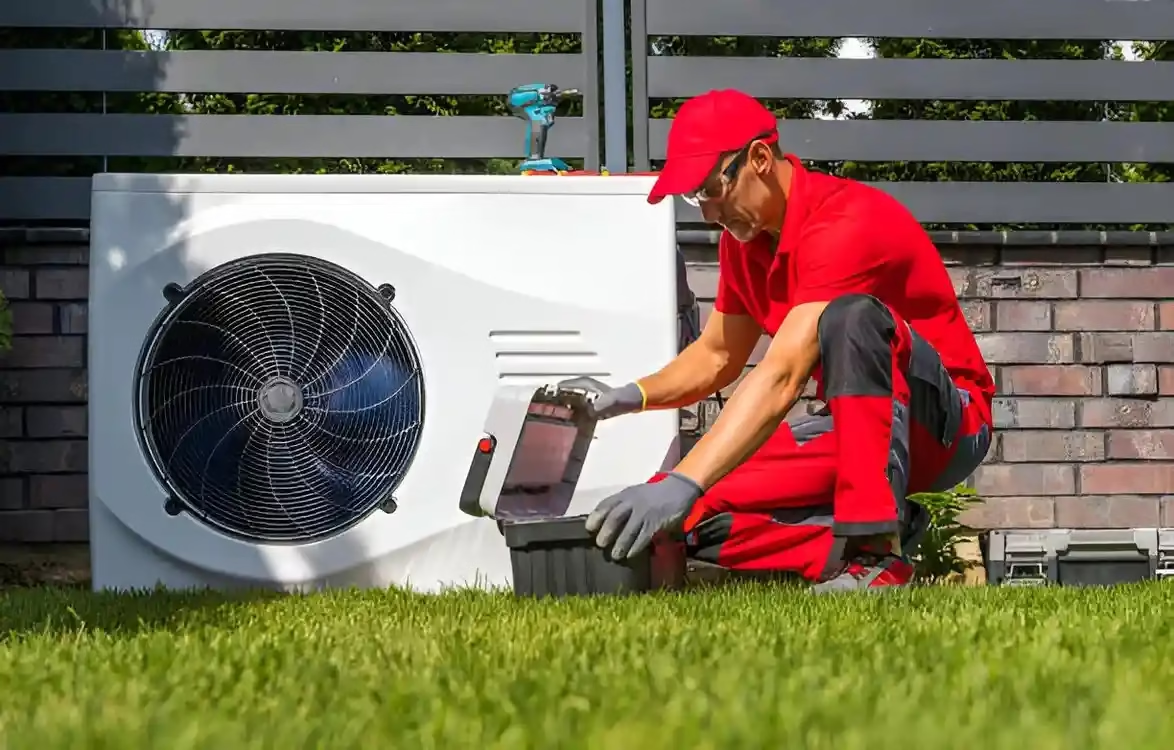
Outside AC unit making noise:
- Buzzing – electrical components or frozen coils
- Rattling – debris, loose panels, or fan blade damage
- Banging or clanking – compressor or fan issues
- Hissing – refrigerant leak (serious – call a tech immediately)
Indoor AC unit making noise:
- Squealing – blower motor or belt
- Clicking – relay or thermostat
- Grinding – blower motor bearings
- Dripping or gurgling – condensate drain blockage
Pinpointing whether the noise is indoor or outdoor cuts diagnosis time significantly and helps your technician prepare before arriving.
Quick Diagnosis: AC Noise Reference Table
| Sound | Most Likely Cause | DIY Fix? |
|---|---|---|
| Buzzing | Electrical issue, frozen coils | Check filter only |
| Rattling | Debris, loose panel | Yes – clear and tighten |
| Clicking (constant) | Thermostat, relay | No |
| Squealing | Belt or blower motor | No |
| Banging | Loose/broken compressor part | No – turn off immediately |
| Grinding | Motor bearings | No – turn off immediately |
| Humming | Electrical or loose piping | Check panels only |
| Hissing | Refrigerant leak | No – call immediately |
When to Call an HVAC Technician
Some AC noises can wait a day or two. Others need same-day attention.
Call immediately if you hear:
- Banging or clanking – risk of compressor damage
- Hissing or bubbling – likely refrigerant leak
- Grinding – motor is being actively damaged
- Constant clicking – compressor may be short-cycling
Schedule within a few days if you hear:
- Persistent buzzing after checking the filter
- Squealing that doesn’t stop
- Humming that’s louder than usual
A licensed HVAC technician can run a full diagnostic, check refrigerant levels, test electrical components, and inspect motor condition – catching problems before they become replacements.
How to Prevent a Noisy Air Conditioner
Most AC noises are preventable with regular maintenance.
- Replace the air filter every 1-3 months. A clogged filter restricts airflow, which stresses the entire system and can lead to frozen coils.
- Clear debris from the outdoor unit regularly. Leaves, grass clippings, and dirt buildup around the condenser restrict airflow and can get inside the unit.
- Schedule annual HVAC tune-ups. A technician will lubricate motor bearings, check electrical connections, and catch worn parts before they fail.
- Keep the area around indoor vents clear. Blocked vents force the blower motor to work harder, accelerating wear.
- Check the condensate drain line every season. A clogged drain causes water backup, which can create gurgling sounds and damage.
A well-maintained system runs quieter, lasts longer, and costs less to operate.
Frequently Asked Questions
Is it normal for an AC to make noise when it turns on?
A single click and a brief startup sound are normal. The system should then settle into a quiet hum. Anything louder or more prolonged than that is worth investigating.
Can I run my AC if it’s making a grinding noise?
No. Grinding means the motor bearings are failing. Running the system accelerates the damage and can lead to a full motor burnout, which is far more expensive than a bearing replacement.
What does it mean when an AC makes a hissing sound?
A hissing sound from your air conditioner usually indicates a refrigerant leak. This needs professional attention right away – refrigerant is harmful and the system won’t cool properly without the correct charge.
Why does my outside AC unit sound like it’s rattling?
The most common causes are debris inside the unit, a loose access panel, or a damaged fan blade. Turn the unit off, check for visible debris, and tighten any loose panels. If the rattling continues, have the condenser fan inspected.