A cold shower on a winter morning is usually the first clue something is wrong. Most homeowners ignore the smaller warning signs until the tank fails completely. Knowing the early symptoms of an aging water heater can save you from a flooded basement and an unplanned water heater replacement.
How Long Does a Water Heater Actually Last
A standard tank water heater lasts between 8 and 12 years, depending on usage, water quality, and maintenance. Tankless units can last up to 20 years with proper care. Once a unit passes the 10 year mark, the risk of sudden failure increases significantly.
7 Signs You Need a Water Heater Replacement
Your Water Heater Is Over 10 Years Old
Age alone is one of the biggest predictors of failure. Check the manufacture date on the manufacturer’s sticker, usually located near the top of the tank. If your unit is past 10 years, start planning for a replacement even if it still works.
Rusty Hot Water Coming From Your Taps
Rusty hot water is a clear sign of internal tank corrosion. This happens when the anode rod, which protects the tank from rust, has worn out completely. Once corrosion reaches the tank walls, repair is no longer a reliable option.
Water Pooling Around the Tank
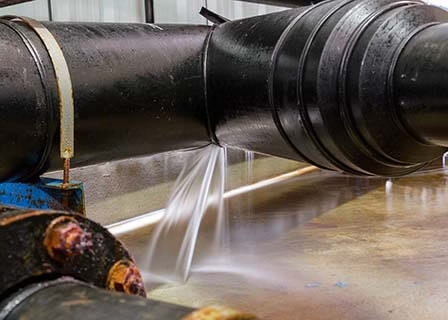
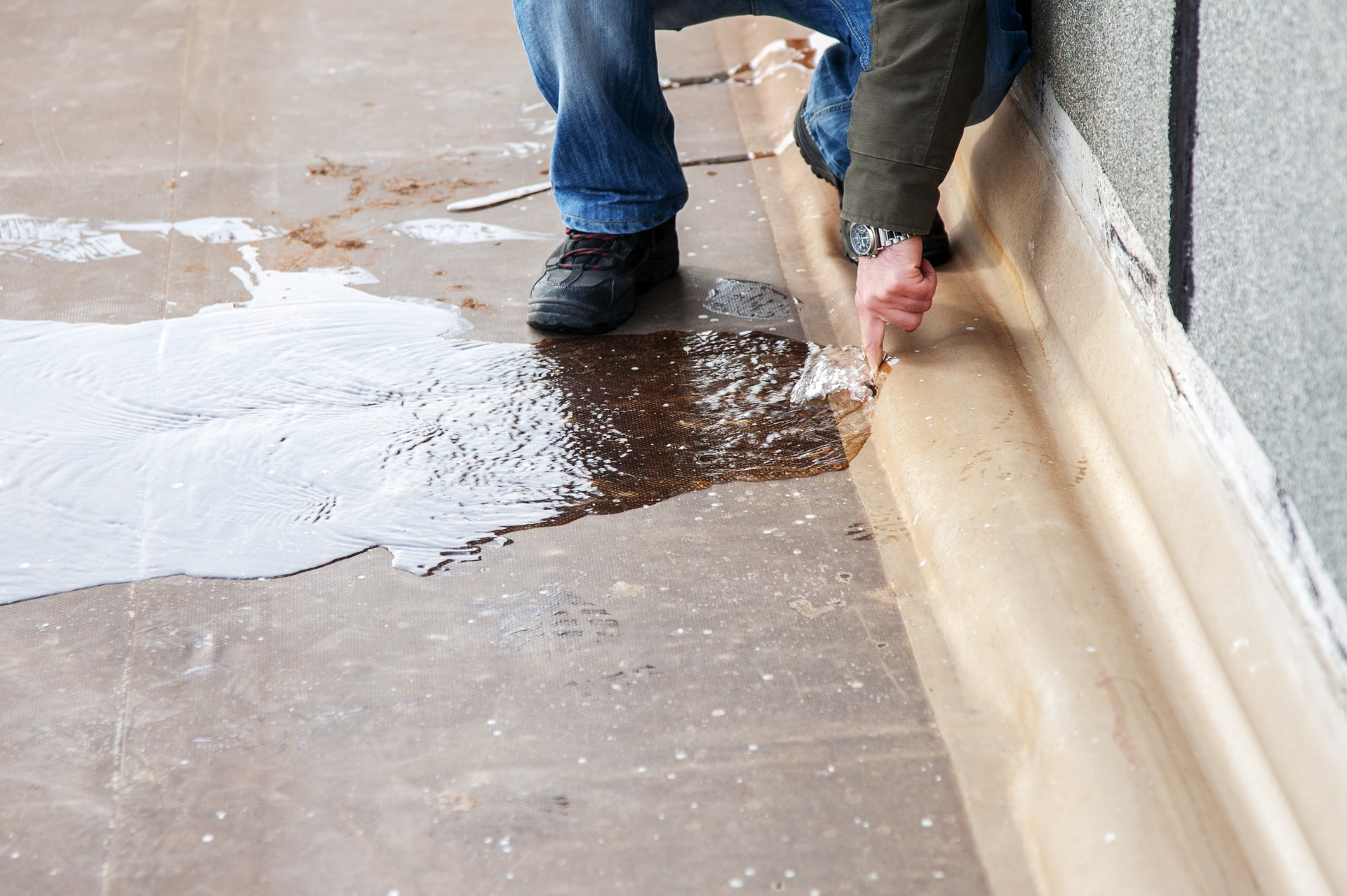
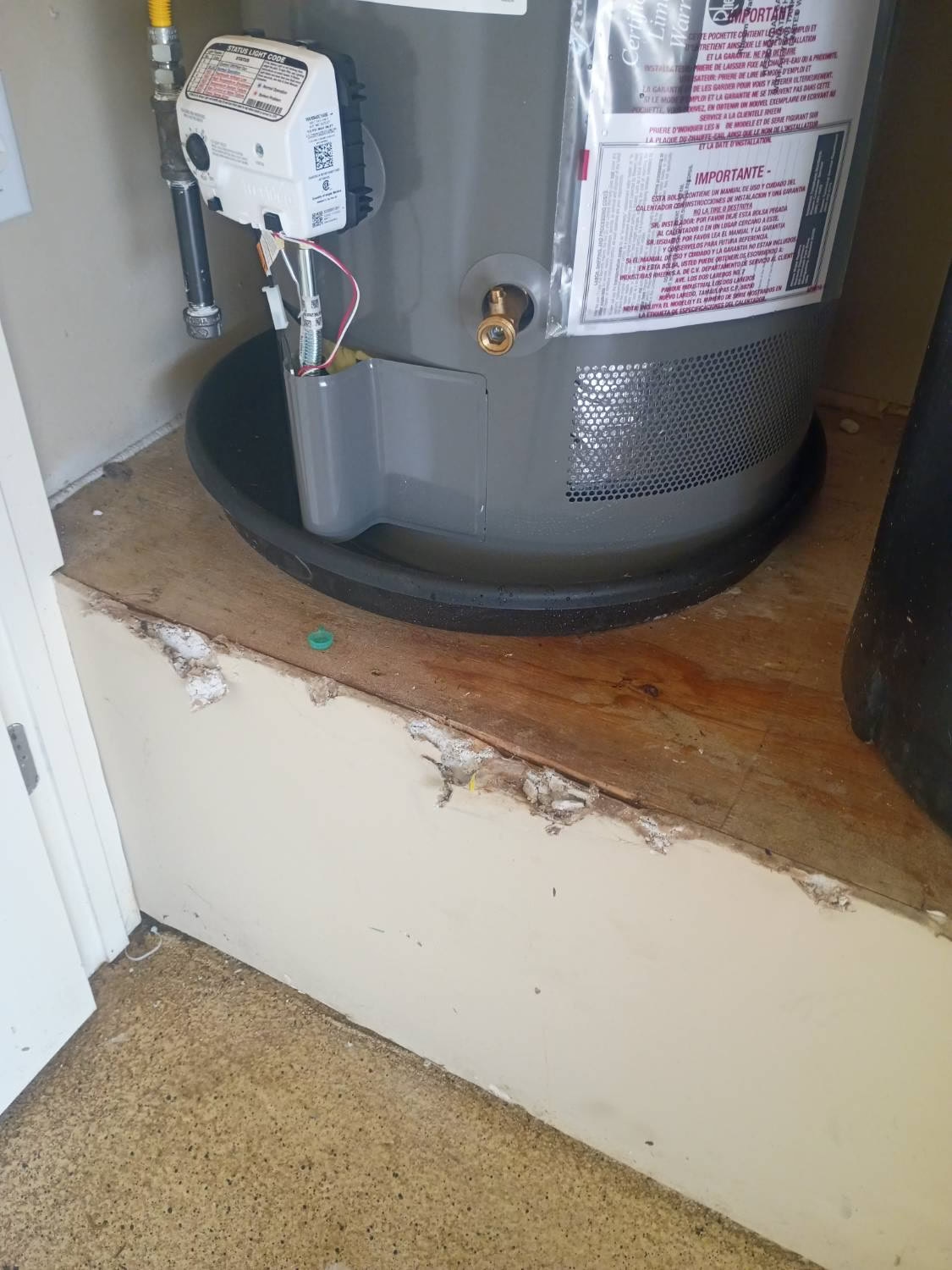
A leaking water heater often means the tank has cracked from internal rust and pressure. Small leaks can turn into major flooding within hours. Check the area around the base of the tank regularly for moisture or pooling water.
Strange Noises Coming From the Tank
Rumbling, popping, or banging sounds usually point to sediment buildup in water heater tanks. As sediment hardens, it forces the heating element to work harder, increasing wear and reducing efficiency. Flushing the tank can help, but heavy buildup is hard to reverse.
Inconsistent Hot Water Temperature
Water that switches between hot and cold without warning is one of the most common old water heater symptoms. This usually means the heating element is failing or sediment is blocking proper heat transfer. A consistent supply of hot water becomes harder to maintain as the unit ages.
Rising Energy Bills Without a Reason
An inefficient water heater uses more energy to produce the same amount of hot water. If your energy bills are increasing without any change in usage, your unit may be losing efficiency. Older units typically have a lower energy factor than current energy-efficient water heaters.
Frequent Repairs Within a Short Time Span
Multiple repairs within a year usually signal the unit is reaching the end of its lifespan. At a certain point, the repair vs replacement decision becomes simple. If repair costs cross 50% of a new unit’s price, replacement is the more practical choice.
Water Heater Repair vs Replacement: How to Decide
Repair makes sense for younger units with a single, low-cost issue like a faulty thermostat. Replacement makes sense once the unit is past 8 years and showing two or more warning signs.
Quick comparison:
- Repair: Unit under 6 years old, single component issue, low repair cost
- Replace: Unit over 10 years old, leaking tank, rust in water, frequent breakdowns
What Happens If You Ignore These Signs
Ignoring these signs increases the risk of sudden tank failure and water damage to floors, walls, or nearby belongings. A failed water heater often floods without warning, since tanks rarely leak slowly before bursting. Replacing the unit early prevents emergency repairs and costly cleanup.
Choosing an Energy Efficient Replacement
When replacing your unit, compare these options based on household size and usage:
- Tankless water heaters: Compact, long lifespan, lower standby energy loss
- Heat pump water heaters: Lower operating cost, best for moderate climates
- High efficiency tank models: Familiar setup, faster installation, moderate cost savings
Match the unit size to your household’s daily hot water demand to avoid running short during peak hours.
FAQs About Water Heater Replacement
How do I know if my water heater needs replacing?
Check the age first. If the unit is past 10 years and showing symptoms like rust, leaks, or inconsistent temperature, replacement is the safer option.
Can a leaking water heater be repaired?
A leak from a fitting or valve can sometimes be repaired. A leak from the tank itself usually means the tank is replaced, since the metal has already corroded.
Is it cheaper to repair or replace a water heater?
Repair is cheaper short term for minor issues on newer units. Replacement saves money long term once the unit is older or needs frequent repairs.