Texas homeowners often assume that a larger air conditioner will cool their homes better. In reality, selecting the right size system has a greater impact on comfort, efficiency, and operating costs. An improperly sized unit can lead to uneven temperatures, higher utility bills, and unnecessary wear on HVAC equipment.
Understanding how air conditioning capacity is determined can help you make a better decision when replacing or installing a system. This guide explains the key factors professionals use to determine the best AC size for Texas climate conditions and household needs.
Why Proper AC Sizing Matters
The size of an air conditioner affects far more than indoor temperature. A system that matches your home’s cooling requirements can maintain comfort while operating efficiently throughout the long Texas cooling season.
Many homeowners focus on equipment brand or price, but residential air conditioner sizing should be the starting point. The right size system can improve humidity control, reduce energy consumption, and extend equipment lifespan.
A properly sized home cooling system also cycles on and off at appropriate intervals. This helps maintain consistent indoor conditions while reducing stress on major components.
Understanding Air Conditioning Capacity
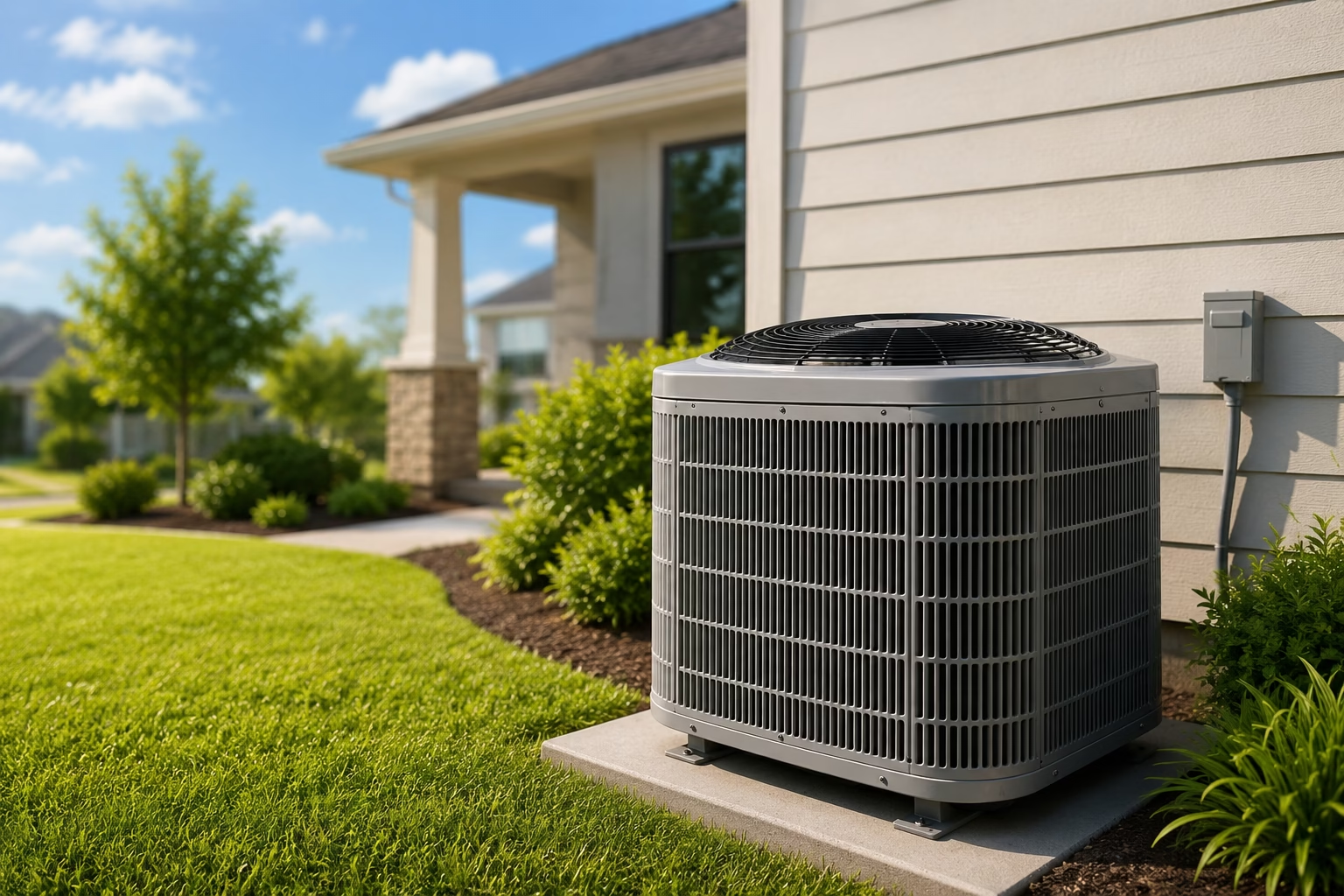
Air conditioners are typically measured in tons rather than physical weight. One ton of cooling capacity equals 12,000 BTUs of heat removal per hour. Residential systems generally range from 1.5 tons to 5 tons depending on home size and cooling requirements.
Many homeowners search for AC size by square feet when estimating system requirements. While square footage provides a useful starting point, it should never be the only factor used to determine equipment size.
Texas homes face unique cooling challenges due to high temperatures, humidity levels, and extended summer seasons. These conditions often require a more detailed evaluation than simple sizing formulas can provide.
Why Square Footage Alone Is Not Enough
Online calculators often suggest a specific unit size based solely on home square footage. While these tools can provide rough estimates, they do not account for important factors that affect cooling demand.
The amount of insulation in walls and attics can significantly influence cooling requirements. Homes with poor insulation often need more cooling power than similar-sized homes with modern insulation systems.
Window placement, ceiling height, sun exposure, and occupancy levels also affect indoor temperatures. These variables can change cooling needs substantially, even between homes of the same size.
The Importance of a Cooling Load Calculation
A professional cooling load calculation provides a more accurate assessment of your home’s needs. This process evaluates numerous factors that contribute to indoor heat gain throughout the year.
Contractors often perform an HVAC load calculation using industry-approved methods. The results help determine the correct equipment size rather than relying on estimates or existing system capacity.
A thorough calculation considers home orientation, insulation levels, window efficiency, local climate conditions, and airflow requirements. This approach produces more reliable sizing recommendations for Texas homeowners.
Air Conditioner Tonnage Chart as a Starting Point
An air conditioner tonnage chart can provide a general reference for estimating cooling capacity. However, these charts should be viewed as guidelines rather than exact recommendations.
For example, homes between 1,500 and 2,000 square feet may often require systems in the 3-ton range. Larger homes frequently need 4-ton or 5-ton systems depending on construction and efficiency levels.
Because every property is different, professional evaluation remains the most accurate method for selecting equipment. Tonnage charts are useful for initial planning but should not replace expert assessment.
Oversized vs Undersized AC Unit Problems
An oversized vs undersized AC unit comparison highlights why accurate sizing is so important. Both situations can create comfort and efficiency issues.
Oversized systems cool spaces too quickly and shut off before removing sufficient humidity. This can leave rooms feeling damp or uncomfortable despite lower temperatures.
Undersized systems often run continuously during extreme heat. Constant operation increases energy consumption and places additional strain on system components. Homeowners may also notice uneven cooling and difficulty reaching thermostat settings.
Proper sizing helps avoid both problems and supports more consistent indoor comfort.
How Energy Efficiency and SEER Ratings Affect Performance
Equipment size is only one part of the equation. Modern energy-efficient air conditioning systems can provide improved performance while using less electricity than older units.
Homeowners should also consider the relationship between SEER rating and AC sizing when comparing replacement options. A higher SEER rating indicates greater cooling efficiency under standard operating conditions.
Even highly efficient equipment can perform poorly if it is incorrectly sized. Combining proper sizing with an efficient system generally delivers the best long-term results for Texas homes.
Texas Climate Considerations
Texas weather places significant demands on residential cooling systems. Long periods of high temperatures can expose sizing mistakes that may not be noticeable in milder regions.
Homes in areas with intense sun exposure often experience greater cooling loads during afternoon hours. Attic insulation, radiant barriers, and energy-efficient windows can help reduce heat gain and improve overall system performance.
These regional factors explain why the best AC size for Texas climate conditions should be determined using local expertise and detailed home analysis rather than generic online estimates.
When to Schedule a Professional Evaluation
If your current system struggles to maintain comfortable temperatures, sizing may be part of the problem. Frequent repairs, rising energy bills, uneven cooling, and excessive humidity can all indicate equipment issues.
A professional inspection can determine whether your existing unit is properly sized and operating efficiently. Contractors can also identify insulation deficiencies, ductwork problems, and airflow restrictions that affect performance.
Evaluating the entire system rather than focusing solely on equipment size often produces better long-term results.
Final Thoughts
Choosing the right air conditioner size requires more than matching a unit to your home’s square footage. Factors such as insulation, climate, window placement, and cooling load calculations all influence the ideal system size.
Texas homeowners benefit most from a professional assessment that considers the complete picture. By selecting properly sized equipment and focusing on efficiency, you can improve comfort, reduce operating costs, and extend the life of your cooling system. If you’re planning an AC replacement, consult an experienced HVAC professional to determine the best solution for your home.