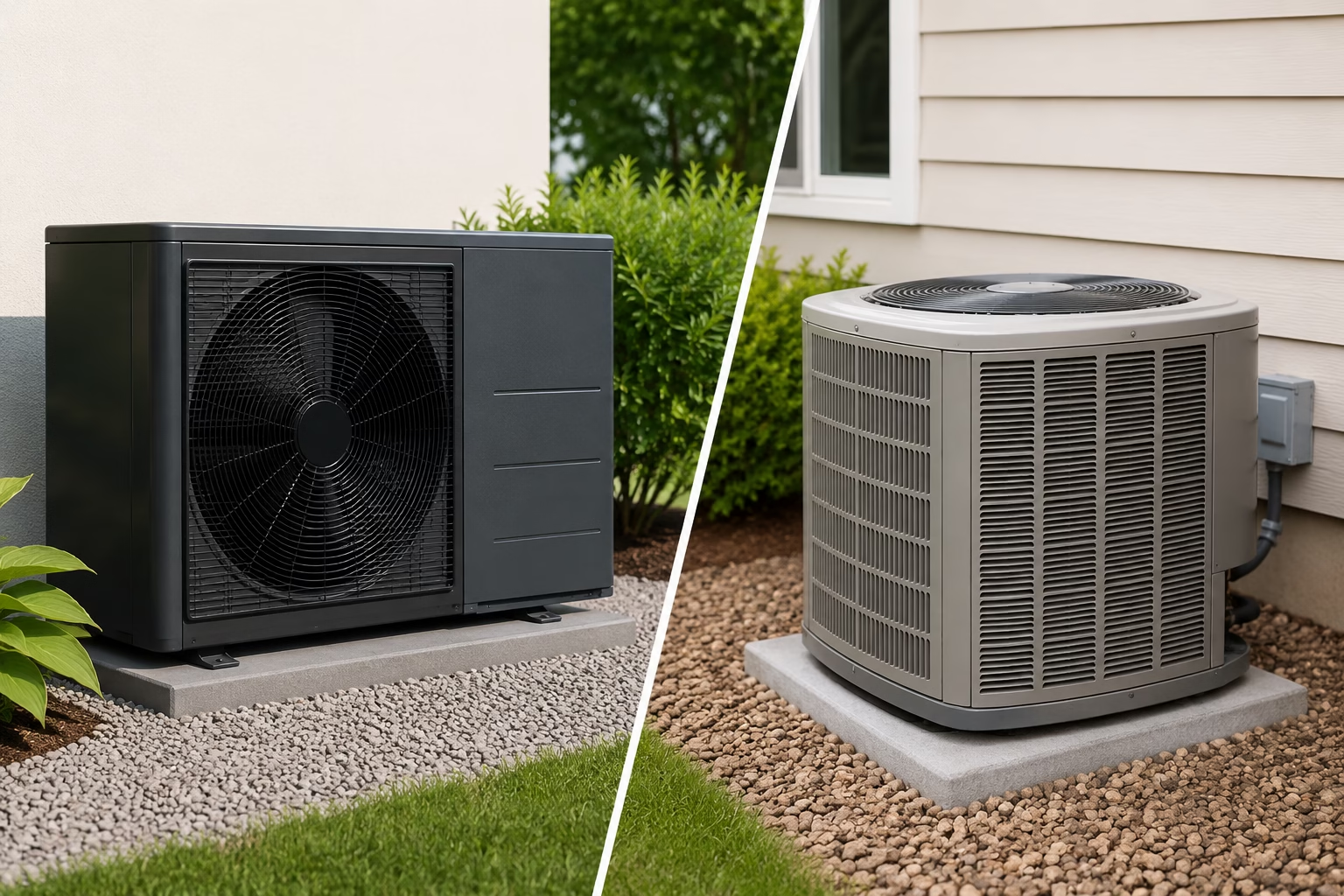
Central Texas homeowners face long summers, rising utility costs, and growing interest in energy-saving home upgrades. Choosing the right HVAC system can make a noticeable difference in comfort and monthly expenses. Many homeowners comparing a heat pump vs AC system want to know which option performs better in local conditions.
Both systems can keep your home cool during hot weather, but they operate differently and offer distinct advantages. Understanding these differences can help you select the best solution for your home’s comfort, efficiency, and budget.
Understanding How Heat Pumps and Traditional AC Systems Work
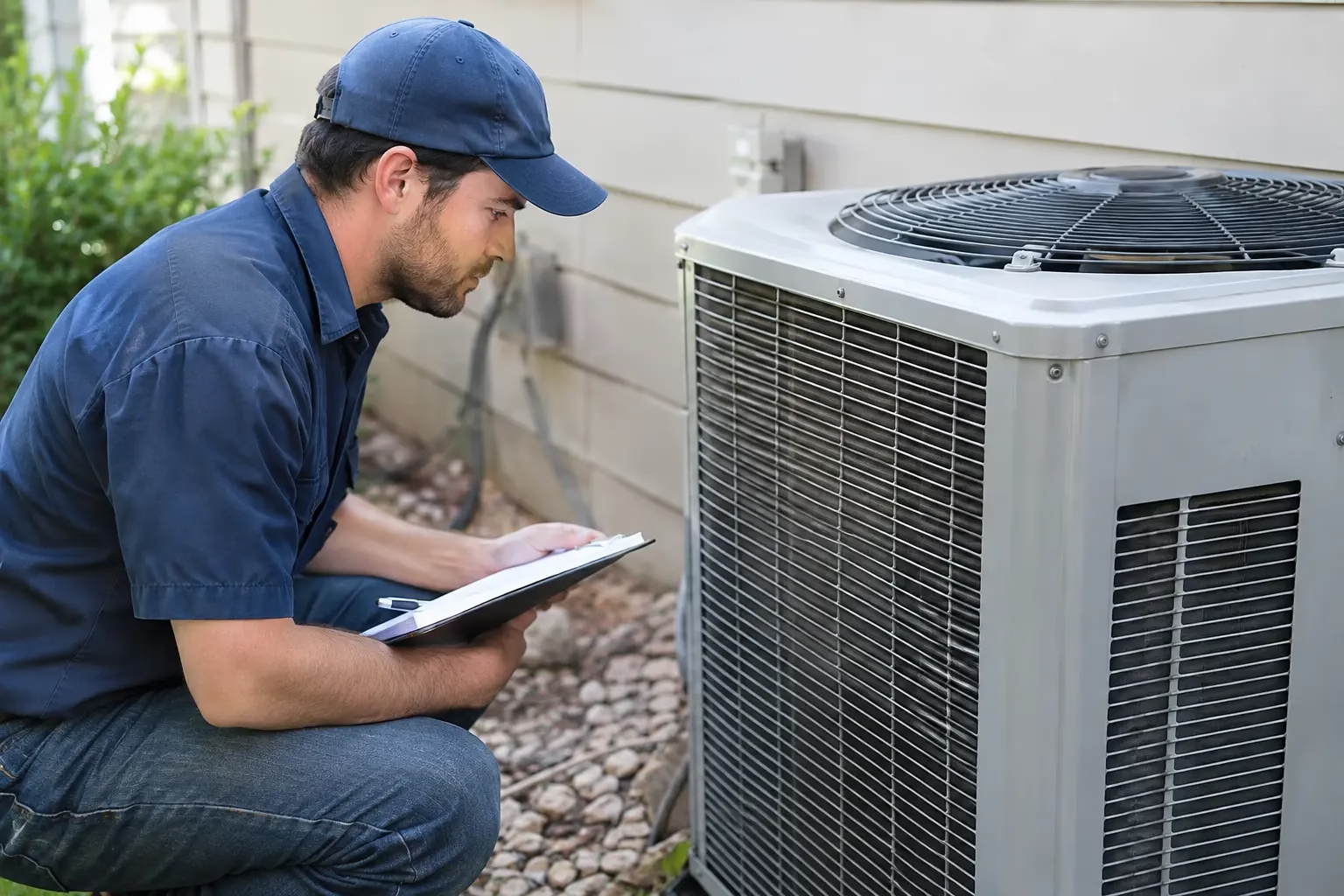
Before comparing performance, it helps to understand the basics of each system. A traditional air conditioner removes heat from inside the home and transfers it outdoors. It works alongside a separate furnace or electric heating system to provide warmth during colder months.
A heat pump functions similarly during summer but can reverse its operation in winter. Instead of generating heat, it transfers heat from the outdoor air into the home. This dual-purpose design makes it one of the most popular forms of modern HVAC technology available today.
Why Central Texas Climate Matters When Choosing HVAC Equipment
Climate plays a major role in determining which HVAC system delivers the best results. Central Texas experiences extended periods of hot weather, while winters are generally short and relatively mild compared to northern regions.
Because temperatures rarely remain below freezing for extended periods, many residential HVAC options perform efficiently year-round. This creates an environment where heat pumps can operate effectively while still delivering dependable cooling throughout the summer.
Long Cooling Seasons and Mild Winters
Homeowners in Central Texas often run cooling equipment for much of the year. Systems that can efficiently manage both heating and cooling may offer additional value compared to equipment designed for a single purpose.
The region’s mild winter conditions allow heat pumps to maintain strong efficiency levels without relying heavily on supplemental heating. This characteristic makes them attractive for households focused on reducing energy use.
Impact on Energy Use Throughout the Year
Cooling costs represent a large portion of annual utility bills. Selecting equipment with strong AC energy efficiency ratings can reduce long-term operating expenses while maintaining consistent indoor comfort.
Systems that perform efficiently in both summer and winter can provide additional savings. The ability to handle multiple seasons with one unit is often a deciding factor for homeowners considering equipment upgrades.
Heat Pump Benefits for Central Texas Homeowners
Many homeowners researching heat pump benefits are attracted to the system’s versatility. Since one unit provides both heating and cooling, it eliminates the need for separate equipment in many homes.
This approach can simplify maintenance and reduce equipment complexity. It also supports homeowners interested in energy-efficient HVAC systems that align with long-term utility savings goals.
Heating and Cooling From One System
A heat pump serves as both an air conditioner and a heating solution. During summer, it removes heat from indoor spaces. During winter, it captures available outdoor heat and transfers it indoors.
Because the system moves heat rather than creating it, heat pump efficiency can be significantly higher than many conventional heating methods. This can translate into lower electricity consumption during cooler months.
Lower Energy Usage During Mild Winters
Central Texas winters are generally well suited for heat pump operation. Since outdoor temperatures remain moderate for much of the season, the system can continue operating efficiently without excessive energy demand.
For homeowners seeking energy-efficient home upgrades, this capability often makes a heat pump an appealing long-term investment.
Air Conditioner Benefits That Still Make Sense
Despite growing interest in heat pumps, traditional air conditioning systems remain a strong option for many homes. Modern central air conditioning system designs offer reliable performance and advanced efficiency ratings.
Many homeowners appreciate the straightforward design and established track record of conventional cooling systems. Depending on the home’s heating setup, a traditional AC may still provide excellent overall value.
Strong Cooling Capacity During Extreme Heat
Summer temperatures in Central Texas frequently reach levels that place heavy demands on HVAC equipment. High-quality air conditioners are designed to handle these conditions and maintain steady indoor temperatures.
For homes already equipped with an efficient furnace or existing heating equipment, replacing only the cooling system may be the most practical solution.
Familiar Technology and Installation Options
Traditional AC systems have been widely used for decades. Contractors, homeowners, and manufacturers are highly familiar with installation, maintenance, and repair procedures.
Many air conditioner benefits relate to system simplicity and compatibility with existing heating infrastructure. This can help reduce upfront installation complexity in certain situations.
Heat Pump Cooling vs AC Cooling Performance
One common question homeowners ask is whether there is a noticeable difference between heat pump cooling vs AC cooling performance. During summer operation, both systems use similar refrigeration processes to remove heat from indoor air.
As a result, cooling performance is often very similar when systems are properly sized and maintained. Factors such as insulation quality, duct condition, and thermostat settings frequently have a greater impact on comfort than the equipment type itself.
The comparison between heat pump vs air conditioner systems often comes down to heating capability and annual energy use rather than cooling performance alone.
Comparing Electricity Consumption and Operating Costs
Utility costs remain a major concern for homeowners throughout Central Texas. While actual expenses vary by home size and usage habits, energy efficiency should be part of any purchasing decision.
A heat pump may reduce annual energy costs because it provides both heating and cooling through a highly efficient transfer process. Traditional systems can also achieve strong performance, particularly when paired with high-efficiency heating equipment.
Evaluating equipment ratings, local energy costs, and expected usage patterns can help homeowners estimate long-term savings. Professional load calculations also provide valuable guidance before installation.
Which System Offers Better Long-Term Value?
The answer depends on your home’s existing equipment, budget, and comfort goals. Homeowners replacing both heating and cooling equipment may find that a heat pump offers attractive long-term efficiency benefits.
Those with a newer furnace may prefer upgrading only the air conditioning portion of their HVAC system. In these situations, a traditional AC can continue delivering reliable performance while minimizing replacement costs.
Both technologies have advanced significantly in recent years. Today’s systems provide better efficiency, smarter controls, and improved comfort compared to older equipment.
Choosing the Right HVAC Solution for Your Home
Selecting between a heat pump vs AC system requires more than comparing equipment specifications. Home size, insulation levels, utility rates, and comfort preferences all influence the best choice.
For many Central Texas homeowners, heat pumps offer year-round versatility and efficient operation. Traditional air conditioners remain an excellent option for homes with existing heating systems that still perform well. A professional HVAC evaluation can help determine which solution aligns best with your home’s needs and long-term energy goals.
If you’re considering an HVAC upgrade, contact All-Star Trade Pros Plumbing & AC for expert guidance and personalized recommendations tailored to Central Texas conditions.