Indoor air quality problems affect many homes, yet they often go unnoticed until symptoms begin to appear. Frequent allergies, lingering odors, dust buildup, and stale air can all point to poor indoor conditions. Many homeowners focus on cleaning surfaces while overlooking one of the most effective tools already in their home, the HVAC system.
A properly maintained HVAC system does much more than regulate temperature. It plays a major role in managing airborne contaminants and supporting healthier living conditions. Understanding the connection between HVAC and indoor air quality can help homeowners make informed decisions that benefit their families year-round.
Why Indoor Air Quality Matters More Than You Think
The air inside a home can contain a variety of pollutants that are not always visible. Dust particles, pet dander, mold spores, pollen, and chemical residues can accumulate over time. Because people spend a significant amount of time indoors, exposure to these contaminants can affect comfort and overall well-being.
Poor air quality may contribute to allergy symptoms, respiratory irritation, headaches, and unpleasant odors. Addressing indoor air quality problems early can reduce these concerns and create a cleaner environment for everyone in the household.
Hidden Sources of Indoor Air Pollution Inside Your Home
Many homeowners assume outdoor pollution is the primary concern. However, indoor air pollution often comes from everyday activities and common household materials. Cooking, cleaning products, furniture finishes, and even carpeting can release particles and compounds into the air.
Without proper circulation and filtration, these contaminants remain trapped indoors. Over time, they can spread throughout the home and continue recirculating through the heating and cooling system.
Everyday Activities That Affect Air Quality
Simple daily routines can contribute to declining air quality. Cooking generates smoke and microscopic particles. Vacuuming may stir up settled dust. Pets introduce dander that can remain airborne for extended periods.
These pollutants are often too small to notice, yet they continue moving through living spaces. This is why effective filtration and airflow management are so important within a home’s HVAC system.
Pollutants That Circulate Through HVAC Systems
As air moves through ductwork, airborne particles travel with it. If filters are clogged or outdated, contaminants may continue circulating throughout the house. Dust, allergens, and other particles can accumulate inside the system and reduce overall performance.
Routine inspections and maintenance help ensure the HVAC system supports cleaner air rather than contributing to air quality concerns.
How HVAC Systems Help Improve Indoor Air Quality
Many people think of HVAC equipment only as a source of heating and cooling. In reality, modern systems are designed to improve indoor air quality by filtering contaminants and maintaining proper airflow throughout the home.
The continuous movement of air allows filters and purification components to capture unwanted particles before they spread. This process helps create a healthier indoor environment while supporting system efficiency.
The Importance of HVAC Filter Replacement
One of the simplest ways to maintain cleaner air is regular HVAC filter replacement. Filters are designed to trap dust, pollen, pet dander, and other airborne particles before they enter living spaces.
Over time, filters become clogged and lose effectiveness. Replacing them according to manufacturer recommendations helps maintain airflow while supporting cleaner indoor conditions. Consistent filter maintenance is one of the most practical HVAC air quality solutions available to homeowners.
Balancing Airflow and Ventilation
Proper airflow helps prevent stale air from lingering indoors. An HVAC system that operates efficiently distributes conditioned air evenly throughout the home while supporting ventilation.
Balanced airflow reduces the concentration of pollutants in individual rooms and helps maintain a more comfortable indoor environment. Combined with quality filtration, proper ventilation supports long-term air quality improvements.
Whole-Home Air Filtration for Cleaner Living Spaces
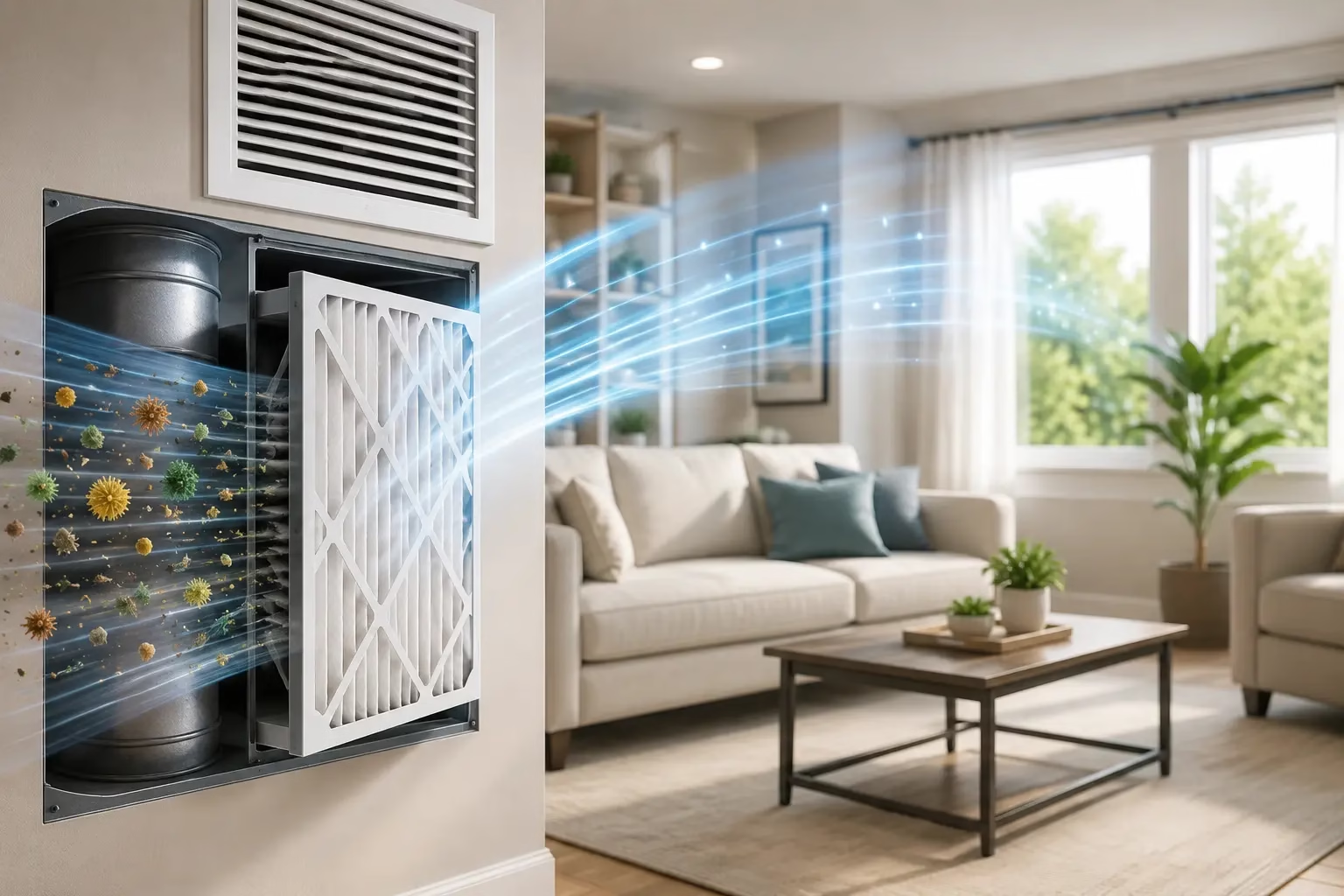
Standard HVAC filters provide valuable protection, but some homeowners require additional support. Whole-home air filtration systems are designed to work alongside existing HVAC equipment to capture a broader range of airborne contaminants.
Unlike portable air cleaners that treat a single room, whole-home air filtration addresses air quality throughout the entire house. This makes it a practical option for families seeking more comprehensive indoor air quality solutions.
What Whole-Home Air Filtration Removes
Advanced filtration systems can capture fine particles that standard filters may miss. These include pollen, pet dander, dust mites, mold spores, and certain airborne bacteria.
By removing a greater percentage of contaminants from circulating air, these systems contribute to cleaner living spaces and improved comfort. Homeowners with allergies often notice the benefits of enhanced filtration throughout the year.
Benefits Beyond Dust Control
Improved filtration offers advantages beyond reducing visible dust. Cleaner air can help minimize odors, support respiratory comfort, and reduce airborne irritants that contribute to allergy symptoms.
When combined with routine maintenance, filtration upgrades provide a reliable way to support healthy indoor air while improving overall HVAC performance.
HVAC Air Quality Solutions That Homeowners Often Overlook
Many homeowners focus on filters while overlooking other factors that affect air quality. Humidity management and regular system maintenance both play important roles in maintaining a comfortable indoor environment.
These components work together to create conditions that limit pollutant buildup and support cleaner air circulation throughout the home.
Humidity Control and Air Quality
Excess humidity can encourage mold growth and create an environment where allergens thrive. Low humidity may lead to dry skin, irritation, and discomfort. Maintaining balanced humidity levels helps support healthier indoor conditions.
Many HVAC systems include features that assist with moisture control. Proper humidity management is an important part of long-term indoor air quality solutions.
Professional System Maintenance
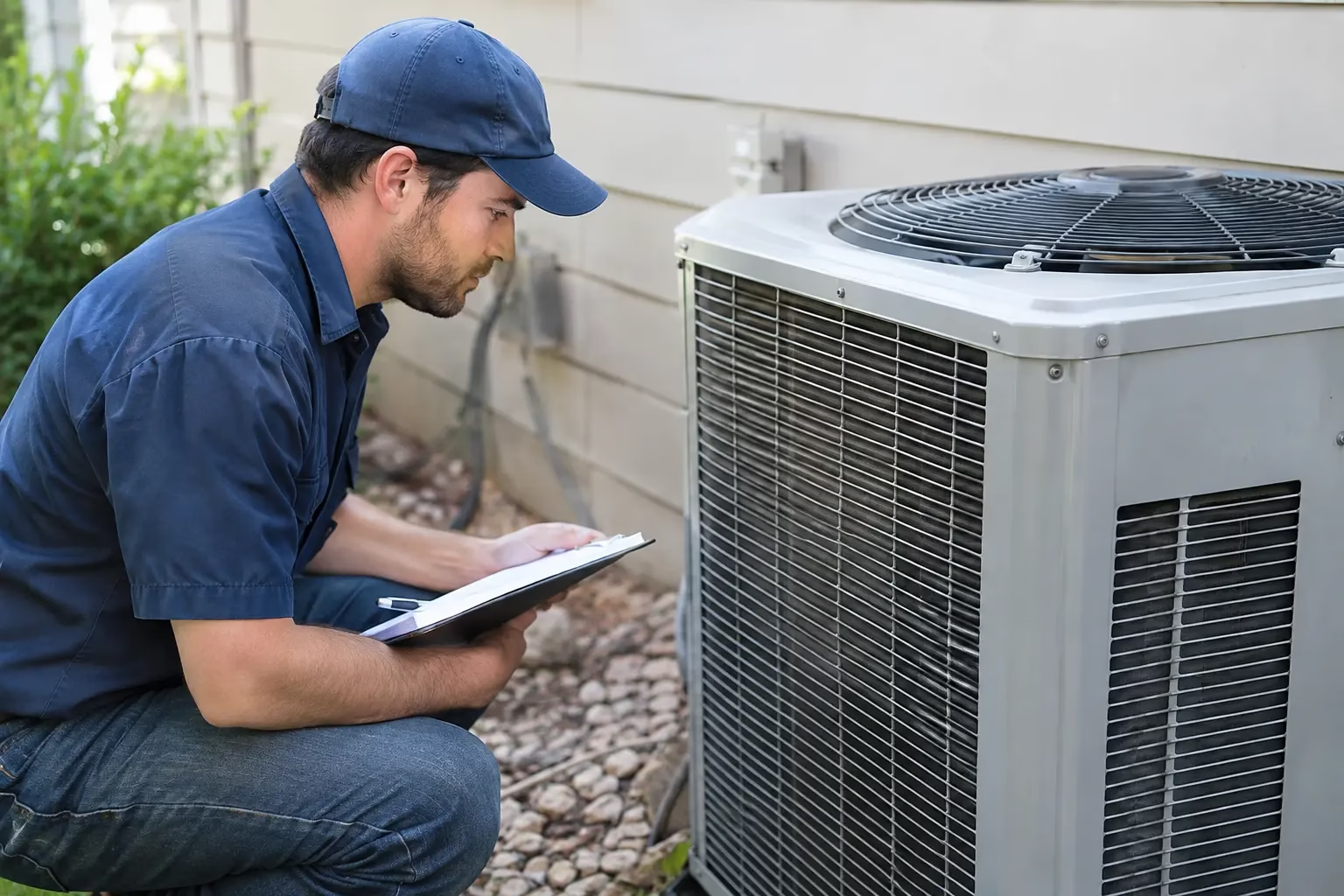
Routine HVAC inspections help identify issues before they impact performance. Technicians can check filters, inspect ductwork, clean components, and verify that airflow remains balanced throughout the system.
Regular maintenance not only improves efficiency but also supports cleaner air circulation. Homeowners who schedule professional service often experience fewer air quality concerns over time.
Creating Healthy Indoor Air All Year Long
Healthy indoor air starts with understanding how your HVAC system affects the environment inside your home. From filtration and ventilation to humidity control and maintenance, every component contributes to cleaner air and improved comfort.
If you have noticed dust buildup, allergy symptoms, or persistent odors, your HVAC system may offer the solution. Working with experienced professionals can help identify the right HVAC air filtration and air quality improvements for your home. Call Now and Contact With All-Star Trade Pros Plumbing & AC to learn how your heating and cooling system can help create a healthier indoor environment for your family.