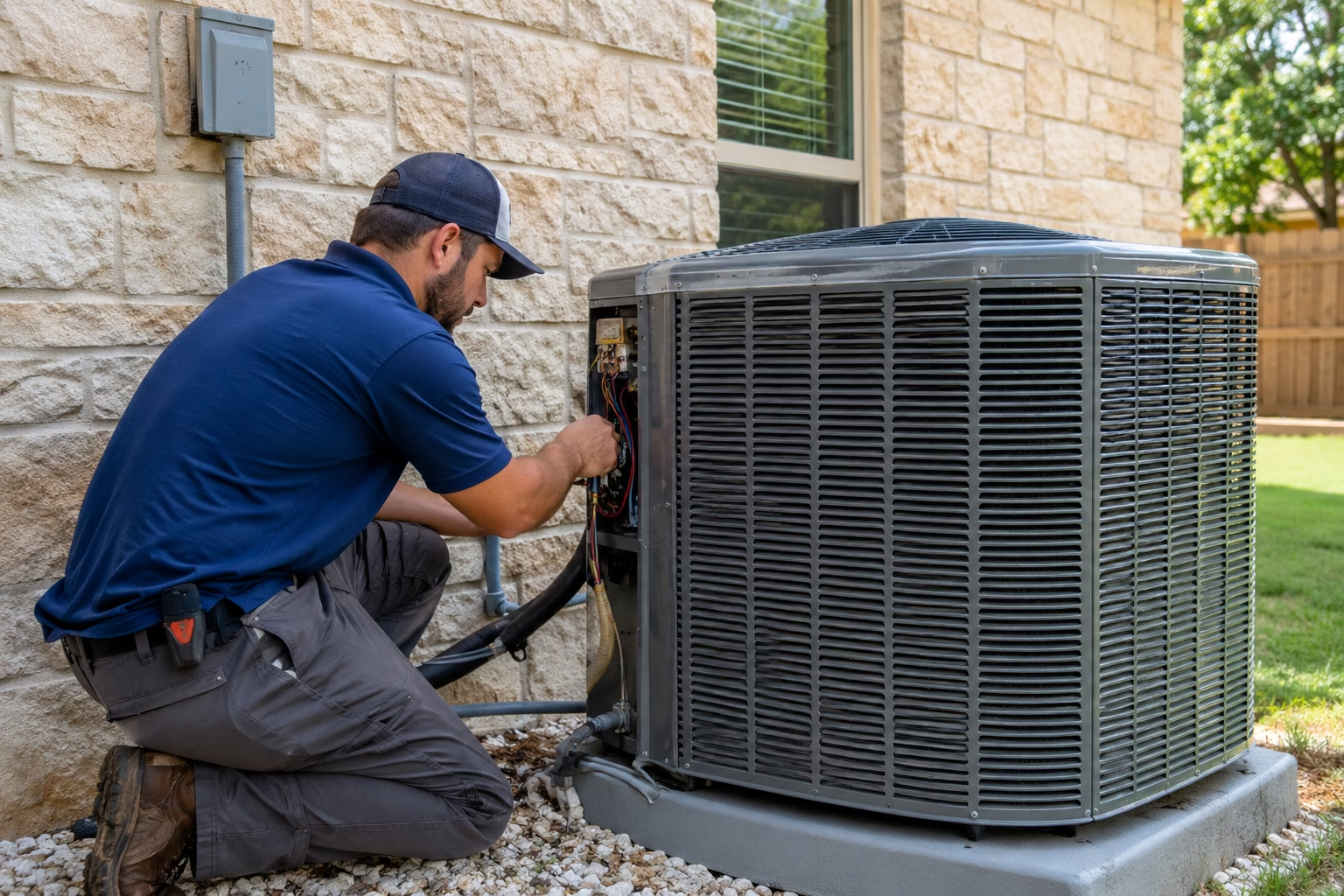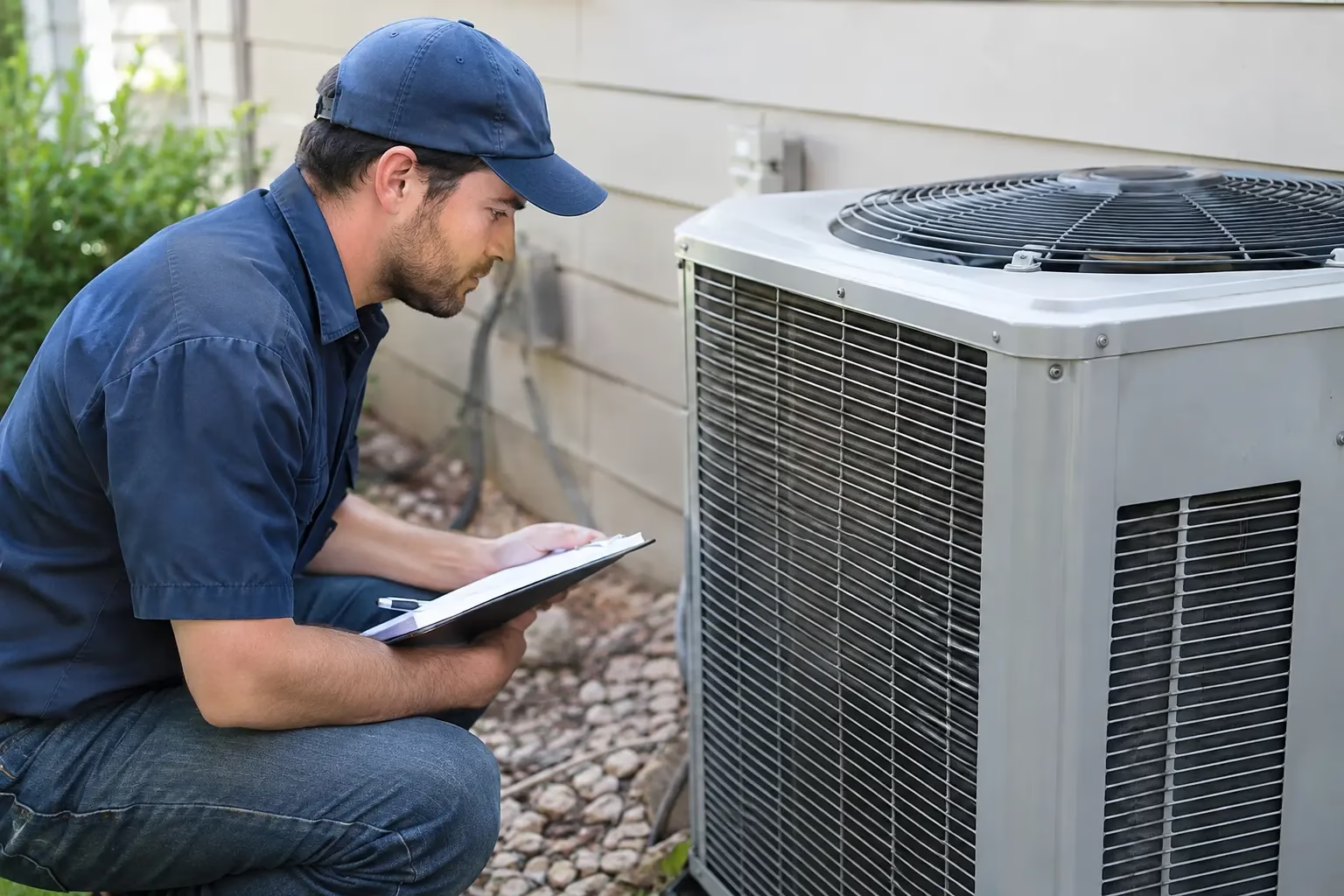
If your air conditioner hums but won’t start, the problem often traces back to one small part. An AC capacitor stores and releases electrical energy to get your system’s motors running and keep them running smoothly during a cooling cycle.
This part rarely gets attention until it stops working. Once it fails, your entire cooling system can shut down, even though every other component is in good shape.
What Does an AC Capacitor Do
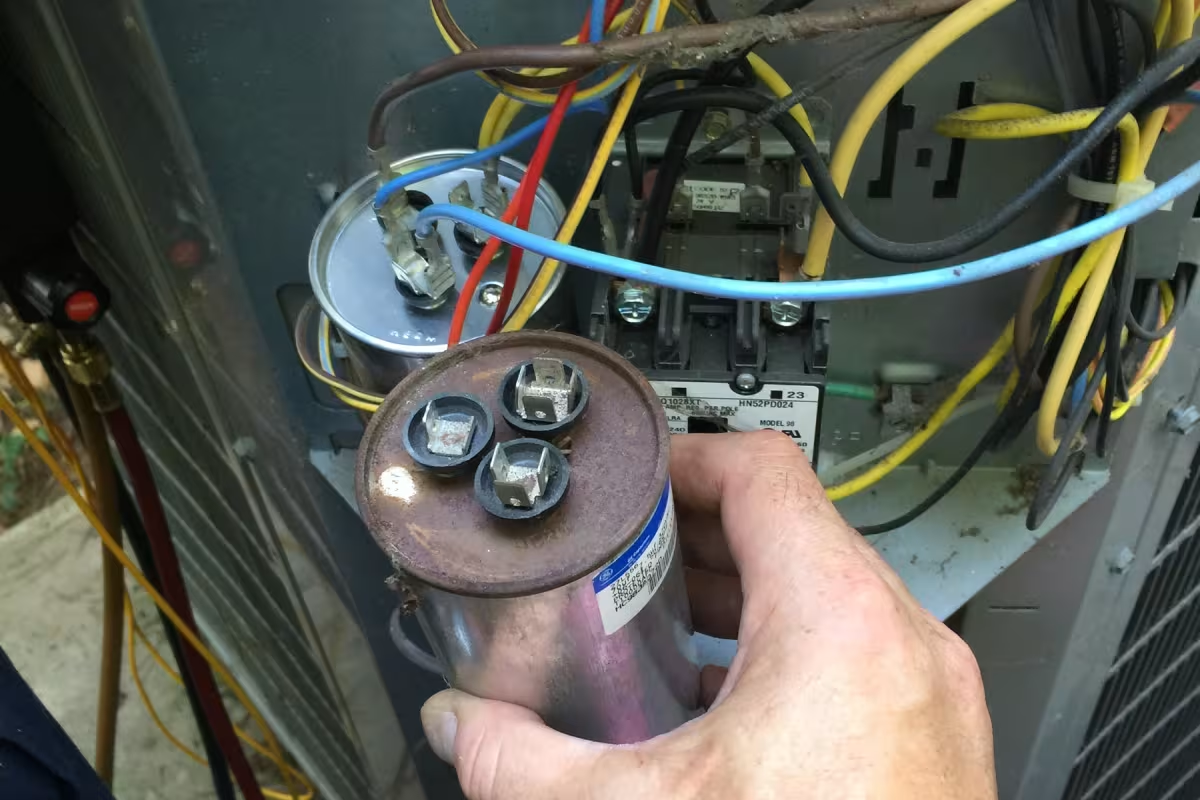
A capacitor acts like a small battery inside your outdoor unit. It sends a burst of electrical energy to start the compressor and fan motor, then supplies steady voltage to keep them running.
Without this part, the motors in your cooling system cannot start or maintain speed. The capacitor voltage rating must match the motor it powers, since too much or too little voltage can cause premature wear.
Types of Capacitors in Your Cooling System
Not every capacitor works the same way. Your outdoor unit may contain one or more types, depending on how the system was designed and how many motors it needs to power.
Start Capacitor vs Run Capacitor
A start capacitor gives motors the initial push needed to begin spinning. A run capacitor takes over once the motor is moving, providing continuous voltage to keep it turning at the correct speed throughout the cooling cycle.
Dual Run Capacitor Explained
Many residential systems use a dual run capacitor, which powers both the compressor and the blower motor capacitor functions in a single unit. This setup saves space inside the outdoor cabinet and simplifies wiring for the compressor and condenser unit.
Common Signs of Capacitor Failure
A failing capacitor rarely gives much warning. Homeowners usually notice the air conditioner will not turn on, or it turns on and shuts off again within seconds without reaching a full cooling cycle.
Other signs include a humming sound coming from the outdoor unit, warm air blowing from the vents, or the compressor and condenser unit struggling to start. Some capacitors even show physical bulging or leaking on the casing.
What Causes a Capacitor to Fail
Heat is the biggest factor behind AC capacitor failure. Outdoor units sit in direct sun for months, and constant heat exposure breaks down the internal materials that store electrical charge over time.
Age plays a role too. Most capacitors last between five and ten years, and normal wear during regular HVAC maintenance cycles gradually reduces their ability to hold a charge, leading to compressor problems and inconsistent cooling.
Power surges from storms or grid fluctuations can also damage electrical components in AC systems, including capacitors, without the homeowner ever noticing until the unit fails to start on a hot day.
How a Failed Capacitor Affects the Compressor and Blower Motor
The AC compressor depends on a working capacitor to start and run properly. When the capacitor weakens, the compressor has to work harder, straining the motor and shortening its lifespan.
The blower motor faces the same risk. Without steady voltage, it may run slower than normal, reducing airflow through your vents and leaving rooms uncomfortably warm even though the system appears to be running.
Left unresolved, this strain can turn a low cost part failure into a much larger repair bill for the compressor itself.
AC Capacitor Replacement: What Homeowners Should Know
AC capacitor replacement is a routine repair for most HVAC technicians. The process involves testing the microfarad capacitor rating with a meter, confirming the part has failed, then installing a matching replacement built for your specific system.
Matching the microfarad and voltage rating exactly matters here. An incorrect capacitor can cause the same problems again within weeks, or damage other electrical components in AC units that are otherwise working fine.
Most capacitor replacements take under an hour once a technician diagnoses the issue, making it one of the faster repairs in home air conditioning maintenance.
When to Call a Professional
Capacitors store an electrical charge even after the power is turned off, which makes them dangerous to handle without proper training and tools. Attempting a DIY replace AC capacitor project carries real safety risk.
A licensed technician can safely discharge the part, run diagnostics on the compressor and condenser unit, and confirm whether the capacitor is the actual source of the problem before replacing anything.
If your system shows any signs mentioned earlier, scheduling a diagnostic visit sooner rather than later can prevent additional strain on the compressor and blower motor.
Simple Maintenance Tips to Extend Capacitor Life
Routine HVAC troubleshooting during seasonal tune-ups helps catch a weakening capacitor before it fails completely. Technicians can measure voltage output and compare it against the rated capacity to spot early decline.
Keeping the outdoor unit shaded when possible, clearing debris from around the cabinet, and scheduling annual air conditioning repair checkups all support longer capacitor life and steadier performance from your cooling system components.
Small steps like these reduce the chance of an unexpected breakdown during peak summer heat, when HVAC technicians are busiest and same-day appointments are harder to secure.
If your air conditioner is showing warning signs, having a technician inspect the capacitor now can prevent a full system shutdown later. Contact All-Star Trade Pros Plumbing & AC to schedule a diagnostic visit before the next heat wave hits.