Tree roots in sewer lines are one of the most common causes of plumbing trouble in older neighborhoods. Roots search out moisture underground, and a hairline crack in a pipe is often all they need to get in. Once inside, they grow fast and can restrict wastewater flow within months. This guide covers the warning signs, why the damage spreads, and the repair options available to homeowners dealing with a clogged sewer line due to tree roots.
How Tree Roots Find Their Way Into Sewer Pipes
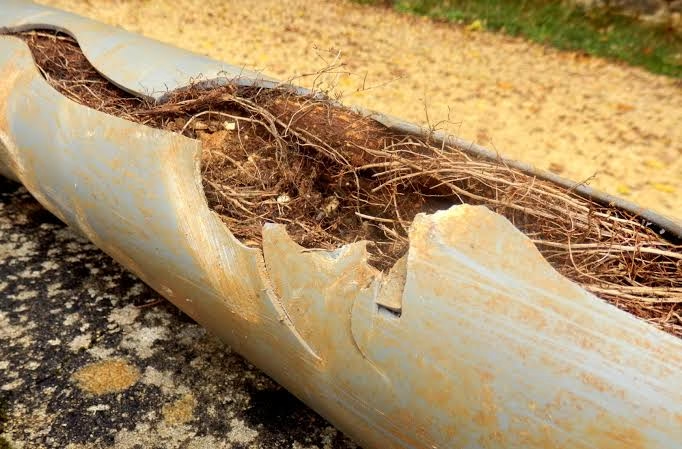
Sewer pipes carry warm, nutrient-rich wastewater, which makes them attractive to nearby tree roots. Small gaps at pipe joints, old cracks, or minor shifts in the soil give roots an entry point. Once a root gets a foothold, it thickens over time and pulls in more moisture, widening the opening it came through.
Older clay and cast iron pipes are especially prone to this because their joints were sealed with materials that break down over decades. Even newer PVC lines can suffer root intrusion in sewer lines if a joint was not sealed properly during installation.
Warning Signs of Root Intrusion in Sewer Lines
Catching tree root damage to sewer pipes early keeps repair costs down. A few signs tend to show up before a full blockage happens, and homeowners who notice them quickly can often avoid an emergency sewer line repair.
Slow Drains and Gurgling Sounds
If multiple drains in the house slow down at the same time, roots may already be narrowing the main line. Gurgling sounds from toilets or tubs after a nearby fixture drains often point to trapped air caused by a partial blockage further down the pipe.
Frequent Clogs and Sewage Backups
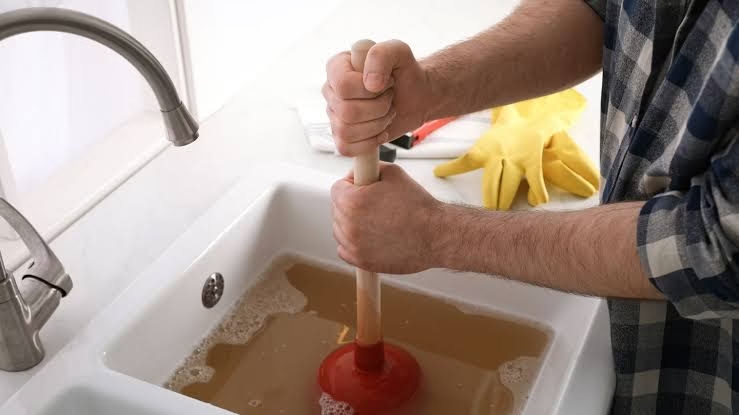
A single slow drain is usually a local clog. Repeated clogs across the house, especially ones that come back days after clearing, suggest tree roots blocking sewer line flow at a deeper point in the system. Backups in the lowest drain, often a basement floor drain, are a strong indicator.
Unexplained Wet Patches in the Yard
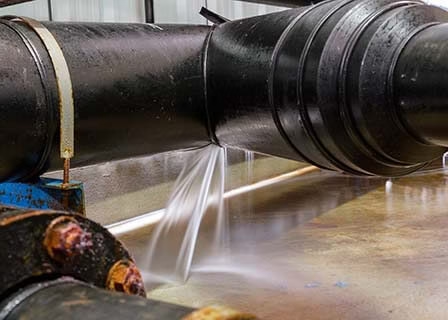
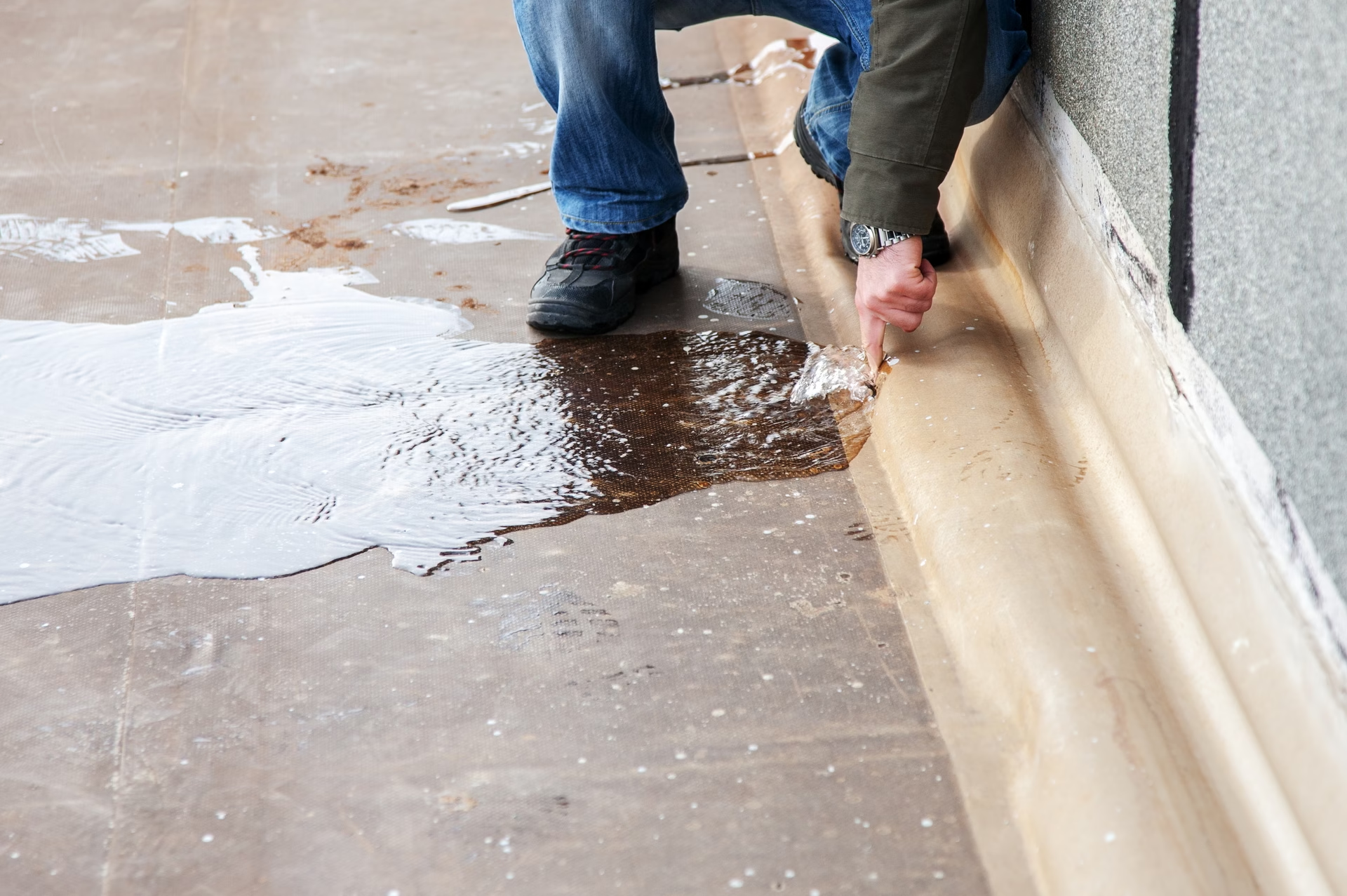
A section of grass that stays greener or soggier than the rest of the yard, sometimes paired with a sewage smell, usually means wastewater is leaking from a cracked section of pipe. This is often where root growth has already broken the pipe wall.
Why Sewer Line Damage Gets Worse Over Time
Roots do not stop growing once they enter a pipe. They keep expanding, trapping paper, grease, and debris until the line is fully blocked. The added pressure from trapped roots can also crack the pipe further, turning a small intrusion into a broken sewer pipe from tree roots that requires excavation to fix.
Left alone, this cycle repairs itself. What starts as a minor slowdown can become a main sewer line blockage that backs sewage into the home, which costs far more to clean up than the original repair would have.
How Professionals Diagnose the Problem
A proper sewer line inspection uses a camera fed through the pipe to show the exact location and size of the root mass. This lets a plumber confirm whether the issue is isolated or spread across several sections of pipe before recommending a repair method.
Camera inspection also rules out other causes, like a collapsed pipe or a grease blockage, so the homeowner is not paying for root removal when the real problem is something else entirely.
Solutions for Removing Tree Roots From Sewer Lines
The right fix depends on how much damage the roots have already caused. Most plumbers choose from three main approaches after reviewing the camera inspection results.
Mechanical Auger Cutting
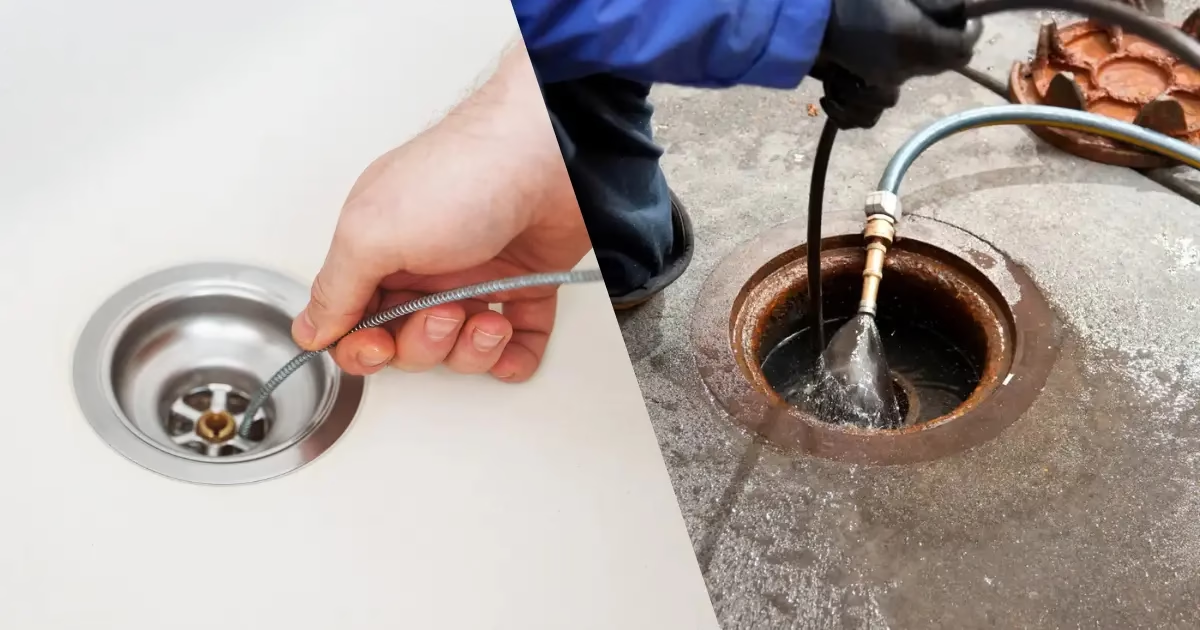
A motorized auger with a cutting head is fed through the pipe to physically cut roots away and restore flow. This is a fast, affordable option for a fresh clog, though roots often grow back within a year or two since the pipe crack itself is not repaired.
Hydro Jetting
Hydro jetting uses high pressure water to strip roots and buildup from the entire inside of the pipe, not just the blocked section. It is more thorough than an auger for sewer line cleaning and works well as regular sewer line maintenance for homes with mature trees nearby.
Sewer Pipe Replacement
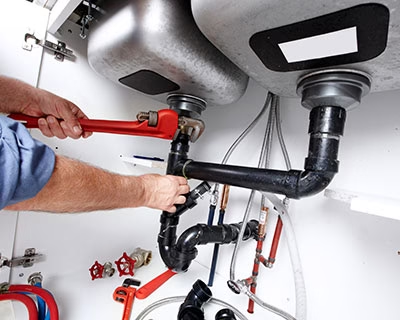
When roots have cracked or collapsed a section of pipe, cutting them out only buys time. Full or partial sewer pipe replacement, including trenchless options that avoid digging up the whole yard, permanently removes the damaged section so roots cannot return through the same crack.
Preventing Future Root Damage to Sewer Pipes
Homeowners with large trees near their sewer line can reduce future problems with a few habits. Scheduling a camera inspection every two to three years catches new cracks before they turn into blockages. Avoiding new tree plantings directly above or near the sewer path also limits future root contact.
For homes that have already dealt with root intrusion once, annual hydro jetting as preventive maintenance keeps new growth from reaching problem size again. Pipe liners, installed during a repair, add a smooth barrier that makes it harder for roots to find an entry point.
When to Call a Professional Plumber
Gurgling drains, repeated clogs, or a sewage smell in the yard are reasons to schedule an inspection rather than wait. A licensed plumber can confirm whether the cause is tree roots in sewer lines and recommend a fix sized to the actual damage, instead of guessing based on symptoms alone.
If your home is showing any of these signs, All-Star Trade Pros Plumbing & AC can run a camera inspection and walk you through the repair options that fit your situation. Reach out before a slow drain turns into a backed up sewer line.