A plumbing leak beneath your home’s foundation can cause serious damage before you even realize there is a problem. Because these leaks occur under concrete slabs, they often stay hidden for weeks or months. By the time visible damage appears, repairs can become expensive and disruptive.
A slab leak is one of the most concerning plumbing issues Texas homeowners face. The state’s shifting soil conditions and extreme weather changes can place stress on underground pipes. Knowing the early warning signs can help you take action before a minor issue turns into major property damage.
What Is a Slab Leak?
A slab leak happens when a water pipe located beneath your home’s concrete foundation develops a crack, hole, or break. The leak allows water to escape below the slab instead of flowing to your fixtures and appliances.
Several factors can contribute to pipe damage. Corrosion, aging plumbing materials, poor installation, and shifting soil conditions can all increase the risk of leaks developing under the foundation. Since the problem remains hidden, many homeowners do not realize they have an issue until damage becomes noticeable.
Why Texas Homes Face a Higher Risk
Texas soil naturally expands and contracts as moisture levels change throughout the year. During dry periods, the soil shrinks. After heavy rainfall, it swells again. This constant movement places pressure on water lines beneath the foundation.
Many older Texas homes also have plumbing systems that have been in place for decades. Over time, underground pipes experience wear and tear. Temperature fluctuations and mineral buildup can weaken the pipes and increase the chances of an underground pipe leak.
Homes built on expansive clay soils are especially vulnerable because foundation movement can place additional strain on plumbing lines below the slab.
Early Warning Signs Every Homeowner Should Watch For
Recognizing problems early can help limit water damage and reduce repair costs. Several warning signs often appear before a leak causes significant structural issues.
Unusually High Water Bills
A sudden increase in your water bill is often one of the earliest slab leak symptoms. Even a small crack in a pipe can waste a surprising amount of water every day.
If your water usage habits have not changed but your monthly bill continues to rise, hidden plumbing problems may be the reason. Many homeowners first notice something is wrong after comparing several months of water bills.
Damp Spots on Floors
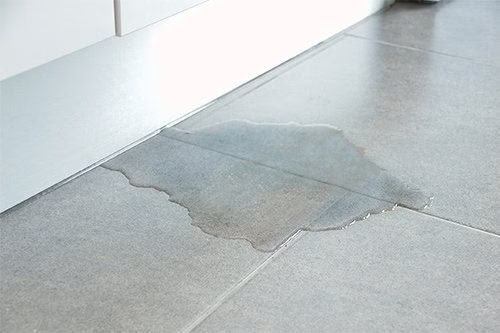
Moisture appearing on flooring without an obvious explanation should never be ignored. Damp spots on floors can develop when water from a leaking pipe begins moving upward through the concrete slab.
You may notice areas that remain wet, discoloration on flooring materials, or sections that feel softer than normal. Carpet may develop persistent moisture, and hardwood flooring can begin warping.
These issues often worsen over time because the water continues accumulating beneath the foundation.
Hot Spots on the Floor
A leaking hot water line can create unexpected warm areas on your flooring. Hot spots on the floor are commonly noticed on tile because the heat becomes easier to feel through the surface.
These warm areas may appear in hallways, kitchens, or living spaces where no heating equipment is present. If a section of your floor feels unusually warm for an extended period, it may indicate a problem below the slab.
Lower Water Pressure
Leaks beneath the foundation can reduce water pressure throughout the house. Water escapes through the damaged pipe instead of reaching faucets, showers, and appliances.
You may notice weaker water flow in one fixture or throughout the entire home. Although low pressure can result from several plumbing issues, it becomes more concerning when it appears alongside other warning signs.
Sounds of Running Water
A leaking pipe beneath your foundation may create sounds even when no water fixtures are being used. Some homeowners hear faint dripping, hissing, or rushing noises coming from floors or walls.
These sounds can be difficult to pinpoint because the water is moving below the concrete slab. Persistent water sounds should always be investigated because they may signal hidden plumbing problems.
Cracks in Walls or Flooring
Water leaking beneath your foundation can gradually alter soil conditions around the home. Uneven moisture levels may contribute to foundation movement and stress.
Over time, you may notice new cracks in drywall, flooring, or tile surfaces. Doors and windows may also become difficult to open or close properly.
Although foundation cracks do not always indicate a plumbing leak, they should not be ignored when accompanied by other warning signs.
Mold and Musty Odors
Excess moisture creates conditions where mold and mildew can grow. A hidden water leak beneath your foundation can increase humidity levels and cause unpleasant odors throughout the house.
You may notice a musty smell that remains even after cleaning. In some cases, mold growth appears along baseboards or in rooms located near the leaking pipe.
Persistent odors and unexplained moisture problems deserve professional attention because mold can spread quickly in damp environments.
Why Ignoring a Leak Can Become Expensive
A leak beneath your foundation rarely remains a minor issue. Water continuously escaping under the slab can damage flooring materials, weaken structural components, and create conditions for mold growth.
Foundation repairs often become significantly more expensive than early plumbing repairs. Water can also damage cabinetry, flooring, and personal belongings inside the home.
The longer the problem goes undetected, the greater the chances of widespread property damage. Taking action early usually results in lower repair costs and less disruption to your home.
How Professional Slab Leak Detection Works
Finding leaks beneath concrete requires specialized equipment and professional experience. Because pipes remain hidden, locating the source of the problem without proper tools can be difficult.
Professional slab leak detection methods often include electronic listening devices, pressure testing equipment, and thermal imaging technology. These tools help plumbers identify moisture patterns and determine the precise location of the damaged pipe.
Accurate detection allows repairs to be performed more efficiently and minimizes unnecessary damage to flooring and concrete surfaces.
When Should You Schedule an Inspection?
Homeowners often wait until visible damage becomes severe before calling a plumber. Unfortunately, delays usually increase repair costs and allow additional damage to develop.
Scheduling a slab leak inspection is a smart decision if you notice:
- Unexplained increases in water bills
- Persistent moisture on floors
- Warm areas on flooring surfaces
- Reduced water pressure
- Sounds of running water
- New cracks in walls or flooring
- Mold growth or musty odors
Professional inspections can identify hidden issues before they become major structural concerns.
Protect Your Home With Early Action
A slab leak can remain hidden for a long time, but the warning signs often appear before serious damage occurs. Paying attention to unusual water bills, flooring moisture, changes in water pressure, and unexpected sounds can help you catch problems early.
Texas homeowners face unique challenges because shifting soil conditions place additional stress on underground plumbing systems. Taking these warning signs seriously and scheduling prompt slab leak repair when needed can help protect your foundation, preserve your plumbing system, and prevent costly water damage in the future.
If you suspect a leak beneath your foundation, professional evaluation and early repairs can save both time and money while helping keep your home safe and structurally sound.