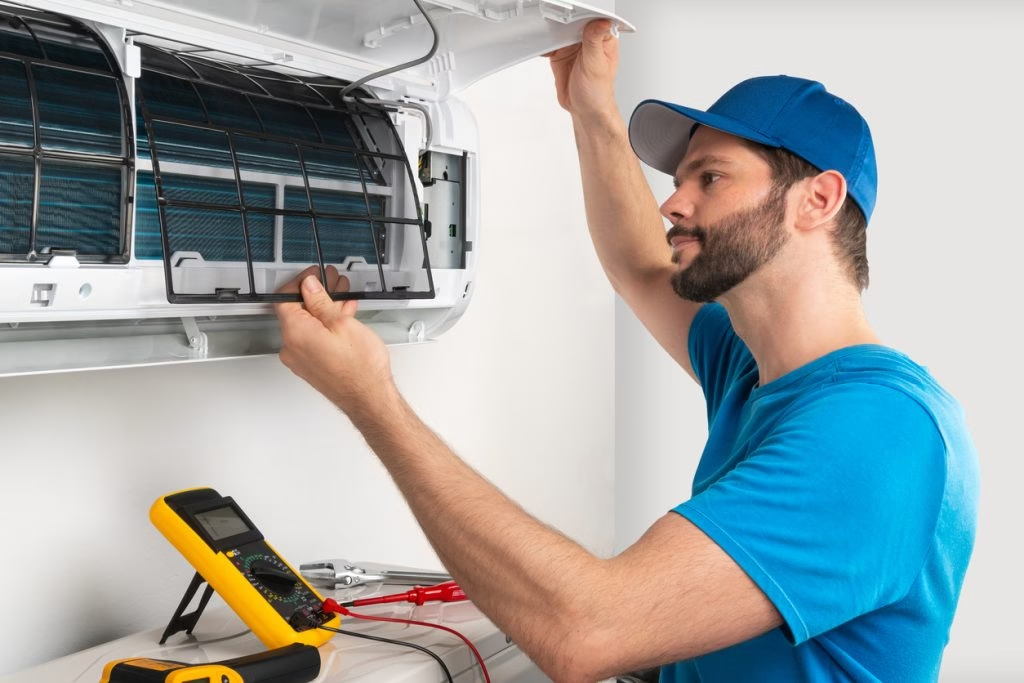
An air conditioner works hard to keep your home comfortable, especially during the hottest months of the year. Dust, dirt, and normal wear slowly reduce its performance over time. Regular AC maintenance helps your system operate efficiently while lowering energy use and reducing the chance of unexpected breakdowns.
Routine care also protects the investment you have made in your cooling system. Small issues such as clogged filters or dirty coils may seem minor at first, but they can place extra strain on the equipment. Addressing these problems early helps extend AC lifespan and keeps repair costs under control.
How Maintenance Improves Cooling Performance
A well-maintained system cools rooms faster and keeps indoor temperatures more consistent. Clean components allow air to move freely through the system, helping improve AC efficiency without forcing the unit to work harder than necessary.
Better airflow also reduces unnecessary energy consumption. When each part of the system operates as intended, your air conditioner can maintain comfort using less electricity. This results in lower monthly utility bills while supporting reliable AC performance throughout the cooling season.
How to Maintain an AC the Right Way
Learning how to maintain an AC begins with simple habits that homeowners can follow throughout the year. Regular inspections and basic cleaning reduce the buildup of dust and debris that commonly affects cooling systems. These small tasks require very little time but provide lasting benefits.
A complete air conditioner maintenance guide always includes both indoor and outdoor care. Looking after every part of the system helps prevent uneven cooling, protects important components, and keeps the unit operating efficiently during periods of heavy use.
Start with Clean AC Filters
One of the most effective AC maintenance tips is replacing or cleaning air filters on a regular schedule. Dirty filters restrict airflow, forcing the system to work longer to reach the desired temperature. This extra effort increases energy consumption and places unnecessary stress on internal components.
Most homeowners should inspect filters every month during peak cooling seasons. Homes with pets, heavy dust, or frequent AC use may require more frequent replacement. Clean AC filters improve indoor air quality while supporting better airflow throughout the home.
Keep the Outdoor Unit Clear
The outdoor condenser needs enough open space to release heat efficiently. Leaves, grass clippings, branches, and other debris can block airflow around the unit, reducing cooling performance and increasing operating costs.
Check the area around the condenser several times each season. Remove debris carefully and trim nearby plants to maintain proper clearance. Simple condenser maintenance helps improve airflow and reduces the workload placed on your cooling system.
DIY AC Maintenance Every Homeowner Can Handle
Many routine tasks can be completed safely without specialized equipment. DIY AC maintenance allows homeowners to keep their systems cleaner between professional service appointments while identifying small issues before they become expensive repairs.
Basic maintenance should focus on cleaning accessible components, checking airflow, and monitoring system performance. Complex repairs involving refrigerant, electrical parts, or internal mechanical components should always be handled by qualified HVAC professionals.
Inspect Vents and Airflow
Walk through your home and make sure supply and return vents remain open and free from furniture, curtains, or storage boxes. Blocked vents reduce airflow and make it difficult for your system to cool every room evenly.
Dust buildup inside vents should also be cleaned regularly. Clear airflow supports efficient operation and allows conditioned air to circulate throughout the home with fewer restrictions.
Check the Thermostat Settings
Your thermostat plays an important role in system efficiency. Verify that the temperature settings match your daily schedule and replace batteries if your thermostat requires them. A programmable or smart thermostat can help reduce energy use while maintaining indoor comfort.
Monitoring thermostat performance also helps identify problems early. If the system cycles too frequently or struggles to maintain the selected temperature, professional inspection may be necessary before a larger issue develops.
AC Coil Cleaning and Condenser Maintenance
Keeping the coils clean is one of the most effective ways to maintain cooling performance. Dust and dirt on the evaporator coil cleaning surface reduce heat transfer, making the system run longer to cool your home. Regular AC coil cleaning helps maintain steady airflow and supports efficient operation throughout the cooling season.
The outdoor condenser also needs routine attention. Dirt, leaves, and debris can block airflow around the unit and reduce its ability to release heat. Gentle cleaning and regular inspections help prevent AC breakdowns while improving overall system reliability. If the coils appear heavily soiled, schedule professional air conditioner servicing to avoid damaging delicate components.
How Often Should AC Be Serviced?
Many homeowners ask how often should AC be serviced to keep it working efficiently. Most manufacturers and HVAC professionals recommend a complete inspection at least once each year, preferably before the summer season begins. Annual servicing helps identify worn components before they affect cooling performance.
During a professional visit, technicians inspect electrical connections, refrigerant levels, moving parts, drainage systems, and overall system operation. These checks improve safety, maintain efficiency, and reduce the chance of unexpected failures during periods of heavy use. Regular HVAC maintenance also supports manufacturer warranty requirements for many systems.
Common AC Maintenance Mistakes
Some maintenance mistakes shorten the life of an air conditioner even when homeowners have good intentions. Ignoring filter replacement, blocking return vents, or allowing debris to collect around the outdoor unit places unnecessary strain on the equipment. Small issues often develop into larger repairs when routine care is delayed.
Another common mistake is attempting repairs that require specialized tools or technical knowledge. Electrical components, refrigerant systems, and compressor repairs should only be handled by qualified professionals. Limiting DIY work to basic maintenance protects both your equipment and your personal safety.
AC Maintenance Checklist for Every Season
A simple AC maintenance checklist helps homeowners stay consistent throughout the year. Inspect air filters monthly, keep vents clear, clean around the outdoor condenser, and check thermostat settings before temperatures begin to rise. These routine habits support reliable cooling and reduce unnecessary energy consumption.
Seasonal inspections also provide an opportunity to listen for unusual noises, check for water leaks, and monitor cooling performance. Addressing small concerns early often prevents larger repairs and helps your air conditioner continue operating efficiently for many years.
Final Thoughts
Regular maintenance keeps your air conditioner running efficiently while helping reduce energy bills and avoid costly repairs. Simple tasks completed throughout the year, combined with professional servicing, improve cooling performance and extend the life of your equipment. Consistent care also creates a more comfortable indoor environment during the hottest months.
If you are looking for trusted HVAC advice and professional home services, visit All Star Trade Pros for more maintenance guides and expert resources. Staying proactive with routine care helps your cooling system perform reliably season after season.
FAQ
1. How often should an AC be serviced?
Most air conditioners should be professionally serviced at least once a year, preferably before the summer season. Annual servicing helps maintain cooling performance, improve energy efficiency, and identify minor issues before they become costly repairs.
2. How can I maintain my AC at home?
Homeowners can maintain an AC by cleaning or replacing air filters regularly, keeping the outdoor condenser free from debris, checking thermostat settings, and ensuring vents remain clean and unobstructed. These simple tasks help the system run more efficiently.
3. What are the benefits of regular AC maintenance?
Regular AC maintenance improves cooling performance, lowers energy bills, extends the lifespan of the system, reduces the risk of unexpected breakdowns, and helps maintain better indoor air quality throughout the year.
4. What is included in AC maintenance?
A standard AC maintenance service includes inspecting air filters, cleaning coils, checking refrigerant levels, testing electrical connections, inspecting the condensate drain, examining the thermostat, and ensuring all components are working correctly.
5. Can dirty AC filters increase electricity bills?
Yes. Dirty air filters restrict airflow, forcing the air conditioner to work harder to cool your home. This increases electricity consumption and places additional strain on the system.
6. Is DIY AC maintenance enough?
DIY AC maintenance is helpful for routine care such as cleaning filters and removing debris around the outdoor unit. However, professional servicing is still necessary for tasks involving refrigerant, electrical components, and detailed system inspections.
7. How do I know my AC needs maintenance?
Common signs include weak airflow, unusual noises, unpleasant odors, uneven cooling, higher energy bills, frequent cycling, or water leaking around the indoor unit. These issues indicate the system should be inspected.
8. How often should AC filters be cleaned or replaced?
Most filters should be checked every month and cleaned or replaced every one to three months. Homes with pets, allergies, or heavy AC use may require more frequent filter maintenance.
9. Does AC maintenance help reduce energy bills?
Yes. A well-maintained air conditioner operates more efficiently, uses less electricity, and reaches the desired temperature faster. This helps lower monthly energy costs while improving overall comfort.
10. Why is AC coil cleaning important?
Dirty evaporator and condenser coils reduce heat transfer, making the air conditioner work harder than necessary. Regular coil cleaning improves cooling efficiency, supports reliable performance, and helps extend the system’s lifespan.