A hidden water leak can quietly damage your home long before you notice visible signs. Many homeowners only realize the issue when repair costs become significant. Early detection is important because even a slow leak can weaken structures, increase water bills, and create conditions for mold growth. Understanding how to detect a hidden water leak in your home helps reduce long-term damage and unnecessary expenses.
Hidden leaks often develop behind walls, under floors, or within ceilings. These areas are not visible, which makes early identification difficult. However, your home usually gives subtle signals. Paying attention to these signs can help you act before the problem becomes serious.
Why Hidden Water Leaks Are a Serious Problem
Water leaks that go unnoticed can affect both the structure and indoor environment of a home. Moisture trapped behind surfaces weakens materials like wood and drywall. Over time, this can lead to cracks, swelling, or even structural failure in certain areas.
Another concern is mold growth. Damp conditions create a suitable environment for mold, which can spread quickly if not controlled. This not only damages surfaces but can also affect indoor air quality. In addition, hidden leaks often cause an increase in water usage, leading to higher utility bills without any clear explanation.
Common Signs of a Hidden Water Leak
There are several indicators that suggest a hidden water leak may be present. These signs are often small at first but should not be ignored.
- An unexpected rise in your water bill
- Damp spots on walls, ceilings, or floors
- Discoloration or peeling paint
- Musty or persistent odors in certain rooms
- Reduced water pressure in fixtures
- The sound of running water when no taps are in use
- Mold or mildew appearing in unusual areas
Each of these signs may point to water leak behind walls or under flooring. Observing more than one symptom increases the likelihood of a hidden plumbing issue.
How to Detect a Hidden Water Leak
There are practical methods you can use at home to detect water leak issues early. These steps do not require advanced tools and can help narrow down the source.
Check Your Water Meter
Turn off all water fixtures inside and outside your home. Then check the water meter. If the meter continues to move, it indicates that water is flowing somewhere in the system. This is one of the most reliable ways to confirm a hidden water leak.
Inspect Walls, Floors, and Ceilings
Look closely at surfaces for signs of moisture. Stains, bubbling paint, or warped flooring may indicate water seepage. These are common symptoms of slow water leak problems that develop over time.
Listen for Unusual Sounds
Quiet environments make it easier to hear leaks. Listen for dripping, hissing, or running water sounds inside walls. These noises often suggest pipe leakage issues that are not visible.
Use a Simple Toilet Test
Toilets can also cause hidden leaks. Add a few drops of food coloring into the tank and wait without flushing. If color appears in the bowl, it indicates a leak that needs attention.
Monitor Your Water Usage
Keep track of your monthly water bills. A steady increase without changes in usage patterns can signal an underground water leak or an internal plumbing issue.
Advanced Leak Detection Methods
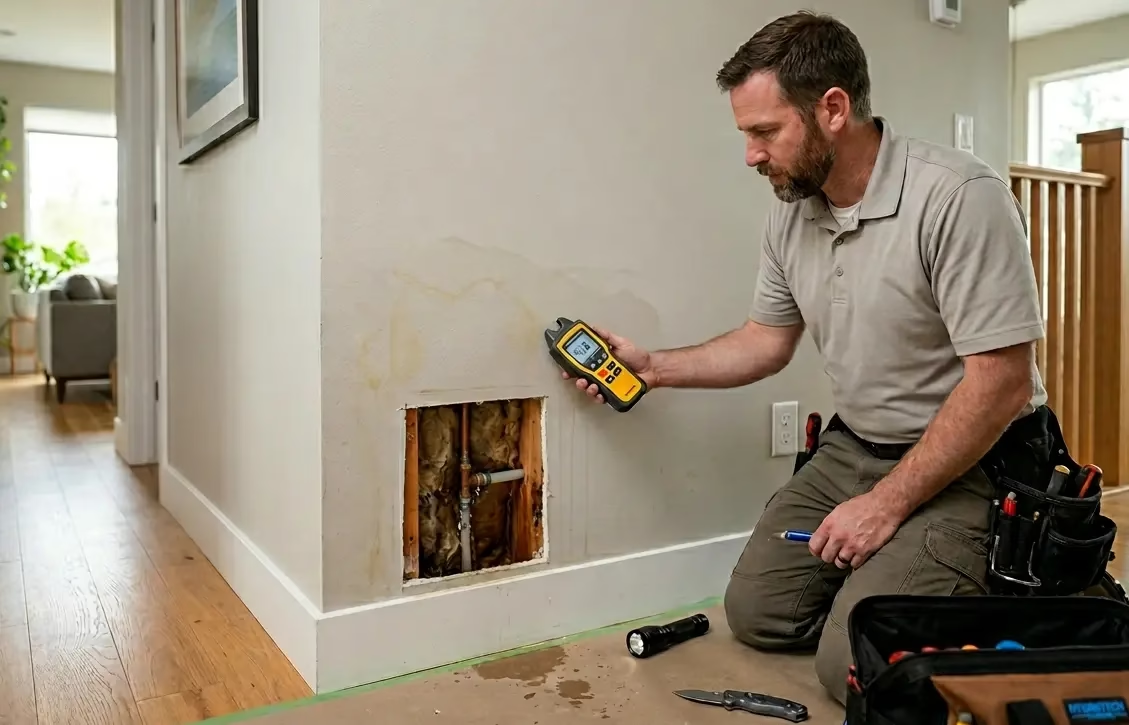
If basic checks do not locate the problem, more advanced methods may be required. Moisture detection tools can identify damp areas behind surfaces. Infrared cameras are also used to detect temperature differences caused by water presence.
Professional plumbing inspection services use specialized equipment to locate leaks without damaging walls or floors. These methods are more accurate and useful for complex cases where the source is not clear.
What Causes Hidden Water Leaks
Understanding the causes helps in both detection and prevention. Many hidden leaks develop due to aging plumbing systems. Pipes can corrode over time, leading to small cracks or weak joints.
High water pressure is another factor. Excess pressure puts stress on pipes and increases the risk of leaks. Poor installation or low-quality materials can also contribute to early pipe failure. In some cases, shifting soil or foundation movement may affect underground pipes.
How to Prevent Hidden Water Leaks
Preventive measures reduce the chances of future issues. Regular inspection of your plumbing system is important. Checking exposed pipes for early signs of wear can help avoid hidden problems.
Maintaining proper water pressure is also necessary. Pressure that is too high can damage pipes over time. Replacing old or outdated plumbing components improves system reliability. Installing leak detection devices can provide early alerts if unusual water flow is detected.
When to Call a Professional Plumber
Some situations require professional help. If you notice persistent signs of water damage but cannot locate the source, it is better to seek expert assistance. Large increases in water bills or visible structural damage also indicate a more serious issue.
Professionals use advanced tools to detect water leak sources accurately. This reduces guesswork and prevents unnecessary damage during inspection. Early intervention can limit repair costs and protect your home from further damage.
Conclusion
Detecting a hidden water leak early helps protect your home from structural damage, mold growth, and rising costs. Small signs like damp surfaces, unusual sounds, or increased water bills should not be ignored. Using simple detection methods at home can help identify problems at an early stage.
Regular monitoring and timely action are key to managing plumbing issues. If the source of the leak is unclear, professional inspection can provide a reliable solution. Taking these steps ensures your plumbing system remains stable and reduces the risk of long-term damage.