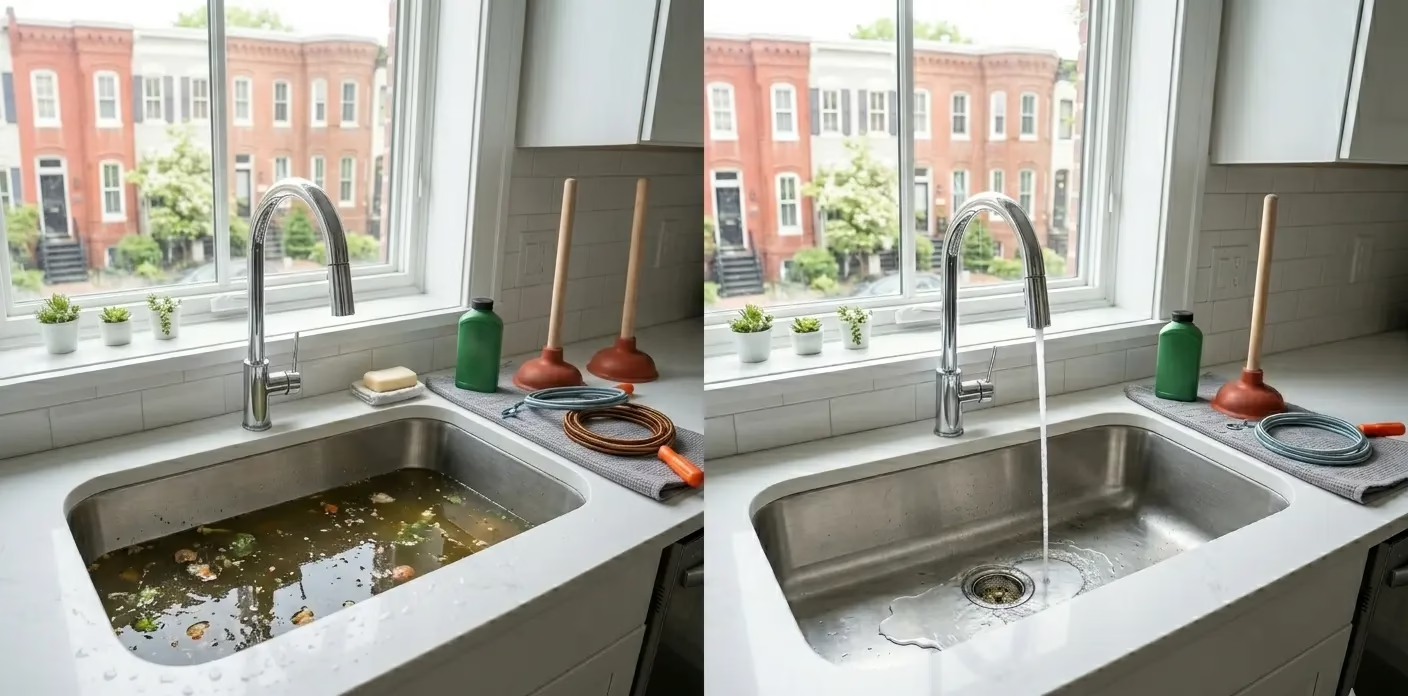
Clogged drains can be a big inconvenience for any homeowner. Slow sinks, backed-up showers, or bad smells coming from drains are signs that something is blocking the water flow. In many Georgetown homes, small drain problems can quickly turn into bigger issues if not addressed. Knowing what causes these clogs, noticing the early warning signs, and taking simple preventive steps can help keep your plumbing working smoothly and save you from expensive repairs.
Causes of Drain Clogs in Georgetown Homes
Hair and Soap Build-Up
Bathroom drains are a common source of clogs. Hair washed down the sink or shower often combines with soap residue and minerals in water. Over time, this combination forms thick mats that block water flow. Slow draining sinks and tubs are typical signs. Using a mesh drain strainer can catch hair before it enters the pipes. Cleaning it regularly reduces the risk of clogs forming.
Grease and Food Waste
Kitchen drains often get blocked by grease, fats, and cooking oils. Hot grease may appear liquid, but it solidifies in pipes as it cools. This sticky layer captures food particles and forms a blockage. Even running hot water after cooking does not always prevent this. Avoid pouring fats down the sink. Scrape food scraps into the trash or compost to reduce the chance of clogs.
Soap Scum and Hard Water Deposits
Soap scum is another common cause of blockages. In areas with hard water, minerals mix with soap to form a sticky residue inside pipes. This residue can trap debris and slow drainage. Regular flushing with hot water helps, but persistent buildup may require professional cleaning. Hard water deposits can affect both kitchen and bathroom drains, leading to frequent slow drainage.
Foreign Objects
Small objects accidentally dropped into drains can lead to blockages. Items like jewelry, toy parts, or broken pieces can lodge in pipe bends. They trap debris such as hair, soap, or food particles. Over time, the blockage grows and water drains slowly. Using drain covers prevents most of these incidents. If objects are lodged deep, a professional plumber can remove them safely.
Tree Roots
Tree roots can invade sewer lines, especially in older neighborhoods. Roots seek moisture and nutrients, which sewer pipes provide. A small crack in a pipe allows roots to enter and grow inside. This can lead to slow drains in multiple fixtures. Foul smells near yard lines and water backup are signs of root intrusion. Professional tools are needed to remove roots and repair the pipe safely.
Old or Damaged Pipes
Aging pipes can contribute to repeated clogs. Corroded metal or shifted joints create rough surfaces inside the pipe. These areas trap hair, grease, and soap residue. Even minor debris can accumulate quickly in damaged sections. Homes with older plumbing may experience repeated slow drains or backups until pipes are repaired or replaced.
Signs Your Drain Is Clogged
Recognizing early signs helps prevent serious plumbing problems. Common indicators include:
- Slow drainage in sinks, tubs, or showers
- Gurgling noises in pipes
- Foul odors coming from drains
- Water rising in one fixture when another is used
These signs suggest a blockage is developing. Addressing the issue early reduces repair costs and prevents water damage.
How to Fix Minor Drain Clogs at Home
Not every clog requires a plumber. Some small blockages can be cleared with simple, safe steps:
- Plunger: Use a plunger on sinks or tubs to loosen minor clogs. Ensure there’s enough water to cover the plunger cup for better suction.
- Hot Water Flush: Pour hot water slowly down the drain to help dissolve grease, soap residue, or minor buildup.
- Remove Debris: Clear hair, food particles, or other visible debris from drain strainers or traps.
- Baking Soda and Vinegar: Pour a half cup of baking soda followed by a half cup of vinegar down the drain. Let it sit for 15–20 minutes, then flush with hot water. This helps loosen minor buildup naturally.
These methods are effective for small, slow-draining sinks or tubs. Always avoid harsh chemical cleaners, which can damage pipes over time.
Preventive Measures
Small steps can keep drains clear and reduce the risk of clogs:
- Drain Strainers: Catch hair, food particles, and debris before they enter pipes. Clean strainers regularly.
- Hot Water Flushing: Pouring hot water down drains weekly can prevent buildup.
- Avoid Pouring Grease: Dispose of cooking oils and fats in a container and throw them in the trash.
- Food Scraps: Compost or throw away food scraps instead of sending them down the drain.
Natural cleaning solutions like baking soda and vinegar can help loosen minor deposits. Avoid harsh chemical cleaners as they may damage pipes over time.
When to Call a Professional
Some blockages require professional help. Call a plumber if:
- Multiple drains are slow at the same time
- Clogs keep coming back despite preventive steps
- Water backs up into multiple fixtures
- Persistent foul odors remain
Professional plumbers have cameras, augers, and hydro‑jetting equipment to remove clogs safely. They can also inspect sewer lines for root intrusion or damaged pipes. Early intervention can prevent bigger problems.
At All-Star Trade Pros Plumbing & AC, our team handles drain cleaning, plumbing repair, sewer line inspection, and more in Georgetown and surrounding areas. We use modern tools like video inspection cameras and hydro-jetting to clear blockages safely. Even if you try DIY solutions first, having a professional check your system ensures long-term reliability and prevents recurring issues.
Conclusion
Drain clogs in Georgetown homes are common but manageable. Hair, grease, soap residue, foreign objects, and tree roots are frequent causes. Recognizing early warning signs and following preventive steps reduces disruptions. Using strainers, flushing with hot water, and avoiding grease or improper items down the drain keeps plumbing running smoothly. Professional help ensures complex blockages are resolved effectively. By understanding common drain problems and acting early, homeowners can maintain reliable drainage throughout their homes.